First Impressions
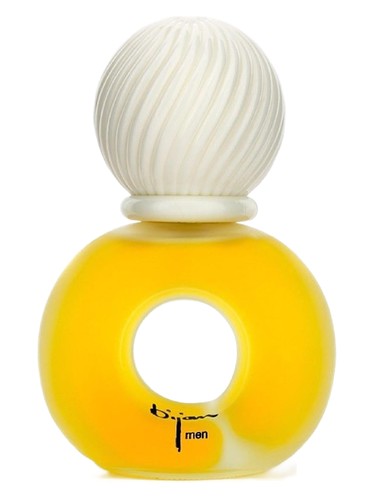
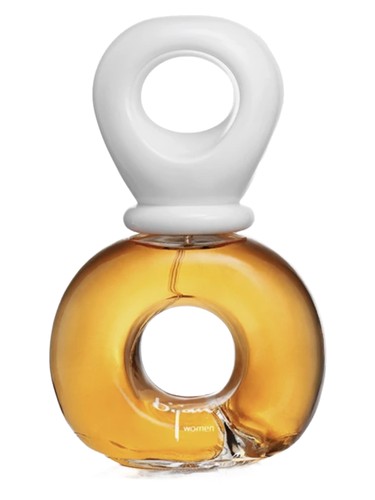
The first spray of Bijan is an unapologetic announcement. This is not a fragrance that whispers—it proclaims. A heady rush of ylang-ylang and orange blossom collides with narcissus in an opening that feels simultaneously lush and sharp, as though the eighties never ended and perhaps never should have. There''s basil threading through the florals, an unexpected green herbal note that keeps the initial sweetness from becoming cloying. The neroli and bergamot add a citric brightness, but they''re supporting players in an orchestra conducted by indolic white flowers. Within moments, you understand why this fragrance has maintained a 4.02 rating across 908 votes nearly four decades after its release.
The Scent Profile
Bijan unfolds in waves of opulence. The top notes—that intoxicating blend of ylang-ylang, orange blossom, narcissus, neroli, bergamot, and basil—create an opening that''s both classic white floral and distinctly original. The basil provides an aromatic counterpoint that sets Bijan apart from its contemporaries, adding an almost spicy greenness to the floral canopy.
As the fragrance settles, the heart reveals its true ambition. Honey appears first, lending a golden, viscous sweetness that binds together tuberose, carnation, jasmine, and Bulgarian rose. This isn''t a demure floral bouquet; it''s a baroque arrangement where each bloom fights for attention. Orris root adds a powdery elegance, while lily-of-the-valley contributes a clean, almost soapy floralcy that provides momentary relief from the intensity. The tuberose, in particular, dominates this phase with its creamy, narcotic character.
The base is where Bijan transforms from a white floral into something more complex and enduring. Benzoin, sandalwood, amber, and musk create a warm, resinous foundation that the perfume data confirms as 89% amber-dominant. Tonka bean and vanilla add sweetness, while heliotrope brings an almond-like powderiness that registers at 75% in the accord breakdown. Oakmoss, cedar, and patchouli ground the composition with an 84% woody character, preventing the sweetness from overwhelming. This base is tenacious, clinging to skin for hours with the kind of projection that made eighties perfumery legendary.
Character & Occasion
Bijan is definitively a cold-weather fragrance. The data shows it''s 100% suited for fall and 89% for winter—and wearing it confirms why. This is a scent that needs crisp air to keep its richness from becoming suffocating. Spring and summer suitability drops dramatically to 43% and 37% respectively, and one warm-weather wearing will make the reason abundantly clear.
Interestingly, while the day-to-night split shows 82% for day and 98% for night, Bijan feels most at home in evening settings. This is a fragrance for important dinners, gallery openings, theater nights—occasions that warrant its dramatic presence. During daylight hours, it demands confidence; you need to own a scent this bold rather than letting it wear you.
The 100% white floral dominance, combined with significant amber and woody accords, creates a profile that skews mature. This isn''t a criticism but an observation: Bijan speaks the language of established luxury, of someone who has nothing left to prove.
Community Verdict
The Reddit fragrance community''s sentiment scores Bijan at 7.5 out of 10 across 28 opinions, and the enthusiasm is tempered by practical concerns. The praise centers on its unique and powerful scent profile, with many comparing it favorably to other complex fragrances and noting its distinctive, memorable character. Longevity and projection earn consistent applause—this is a performance beast.
However, the approximately $360 price point generates significant discussion. More troubling for potential buyers is the widespread belief that modern formulations have been reformulated and are inferior to vintage bottles. This creates a challenging dynamic: collectors and enthusiasts specifically seek out vintage versions, but these are increasingly difficult to authenticate and acquire. The community notes frustration that no widely-agreed affordable alternatives exist, making Bijan an expensive proposition without a safety net for those curious but uncommitted.
The consensus positions Bijan as ideal for special occasions, luxury gifting, and collectors specifically hunting vintage formulations. Those seeking bold, powerful scents will find much to love—if they''re willing to invest both financially and in the hunt for quality bottles.
How It Compares
Bijan sits comfortably among the white floral powerhouses of its era and beyond. The similar fragrances list reads like a hall of fame: Ysatis by Givenchy, Coco Eau de Parfum by Chanel, Amarige by Givenchy, Samsara Eau de Parfum by Guerlain, and Dune by Dior. Each shares Bijan''s comfort with intensity and complexity, though Bijan''s particular combination of honey-soaked florals and that unusual basil note gives it a distinctive signature.
Where some of its counterparts have maintained more consistent availability and formulation, Bijan''s relative scarcity and reformulation issues have given it an almost cult status among those who remember—or discover—the original.
The Bottom Line
Bijan presents a paradox. With a 4.02 rating from over 900 votes, this is clearly a beloved fragrance that has stood the test of time. The scent itself justifies the affection: a masterfully constructed white floral amber that delivers exceptional performance and a truly distinctive character in a category crowded with competitors.
But the $360 price tag and reformulation concerns create genuine barriers to entry. For collectors seeking vintage bottles and those who prioritize uniqueness over value, Bijan rewards the investment. The fragrance itself is remarkable—bold without being unwearable, complex without being chaotic, vintage in spirit without smelling dated.
Should you try it? If you love powerhouse white florals and have the budget for luxury fragrances, absolutely. Just know that you''re not simply buying a perfume—you''re potentially entering a hunt for the "right" bottle, the vintage formulation that reportedly outshines its modern descendant. For those willing to navigate that complexity, Bijan offers something increasingly rare: a fragrance with genuine personality and the strength to project it.
AI-generated editorial review