First Impressions
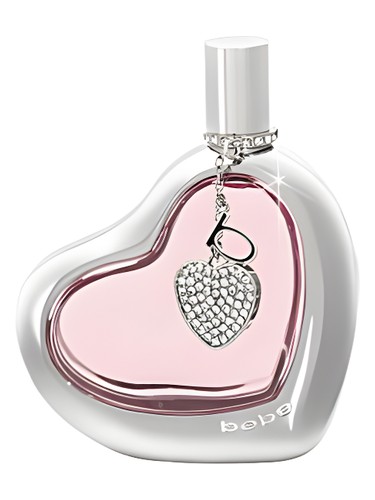
The first spray of Bebe delivers a contradiction wrapped in tropical sweetness—a lush mango opening softened by the creamy, narcotic presence of tuberose and the delicate whisper of sweet pea. It''s an unexpected trio that immediately establishes this fragrance as something different from the typical floral releases of 2009. The juicy fruit doesn''t scream for attention; instead, it melts into the white florals with remarkable grace, creating an opening that feels both approachable and intriguing. This is a fragrance that knows exactly what it wants to be: a woody-dominant scent disguised in florals, a daytime companion with just enough complexity to keep you guessing.
The Scent Profile
The journey from top to base reveals a carefully constructed composition that defies its woody classification at first encounter. That opening mango note provides an almost edible quality, its tropical sweetness tempered by tuberose''s creamy, slightly indolic character. Sweet pea adds a gentle, barely-there floralcy that keeps the opening from becoming too heavy or cloying. It''s a smart opening gambit—inviting without being obvious.
As the fragrance settles into its heart, a classic floral trio emerges: rose, jasmine, and peony. This is where Bebe shows its traditional side, leaning into the white floral territory that defines 61% of its character according to its accord profile. The rose brings a powdery softness (reflected in that 51% powdery accord), while jasmine contributes its characteristic richness. Peony, that most ethereal of flowers, lightens the composition and prevents it from becoming too overtly romantic or heavy-handed. The heart is where the sweetness peaks at 48%—noticeable but never overwhelming, always balanced by the florals that surround it.
The base is where Bebe''s true identity reveals itself. Virginia cedar and sandalwood form a substantial woody foundation—the 100% woody accord that dominates this fragrance''s DNA. Musk rounds everything out, adding skin-like warmth and longevity. This isn''t a fleeting floral; it''s a fragrance with staying power, anchored firmly in wood that gives it structure and sophistication. The progression feels natural, almost narrative—from tropical garden to classic bouquet to sun-warmed wood.
Character & Occasion
This is decidedly a daytime fragrance, and the data confirms what the nose knows: 100% day-appropriate, dropping to just 34% for evening wear. The woody-floral character makes it versatile enough for professional settings while maintaining enough personality to feel special during weekend wear.
Seasonally, Bebe performs best in the transitional warmth of spring (61%) and summer (58%), though it holds its own surprisingly well into fall (49%). Winter, at 44%, is its least natural habitat—the tropical mango and lighter florals simply don''t have the heft to cut through cold weather the way heavier orientals or gourmands do. Think of this as your warm-weather workhorse, the fragrance you reach for when temperatures climb and heavier scents feel oppressive.
The woody backbone prevents it from reading as purely feminine despite its classification, making it accessible for those who appreciate florals but want something with more structure than your typical department store offering.
Community Verdict
Here''s where the story becomes bittersweet. With a sentiment score of 5.5 out of 10—decidedly mixed—and a rating of 3.6 from 420 votes, Bebe sits in complicated territory. The fragrance itself isn''t the problem; availability is. The community data from 35 opinions reveals a pattern of frustrated nostalgia.
Those who loved Bebe really loved it. Users describe searching for it years later, speaking of it as an irreplaceable signature scent that created powerful emotional connections and memories. The original formulation earned genuine devotion, with fans praising its distinctive character and quality. This is a fragrance that people remember, that they miss, that they actively hunt for in the secondhand market.
The cons tell a frustrating story: discontinued status makes it extremely difficult to find, and inaccurate fragrance notes across databases mean that even those seeking similar alternatives are working with flawed information. The limited availability has essentially turned what could have been a beloved accessible scent into a collector''s item, inaccessible to most who might want to experience it.
How It Compares
The similar fragrance list reads like a greatest hits of mainstream feminine perfumery: Flowerbomb, Euphoria, J''adore, Chance Eau Tendre, Chloé. These are all substantially more available—and in many cases, more expensive—alternatives. What Bebe offered was a woody-floral profile at a more accessible price point from a fashion brand known more for clothing than perfume. It occupied an interesting middle ground: sophisticated enough to satisfy those with developed tastes, accessible enough in price and availability (when it was available) to serve as an entry point for younger fragrance lovers.
Against these heavy hitters, Bebe held its own through distinctiveness rather than trying to compete directly. That mango-tuberose opening alone sets it apart from the more conventional launches in its comparison set.
The Bottom Line
Rating a discontinued fragrance feels somewhat futile, but that 3.6 out of 5 from 420 voters tells an honest story. This was a good fragrance—well-constructed, pleasant, distinctive—but perhaps not transcendent enough to warrant the cult status its scarcity has created. The gap between the fragrance''s actual quality and its current mythological status among those seeking it creates an interesting tension.
Should you hunt for Bebe? If you''re a collector of discontinued fragrances or someone with nostalgic memories of the original, the search might be worth it. For everyone else, the similar fragrances list provides readily available alternatives that will likely satisfy the same itch without the frustration. The real tragedy here isn''t that Bebe was discontinued—fragrances come and go. It''s that a perfectly lovely woody floral has become inaccessible to a new generation who might have appreciated its particular character. Sometimes the best signature scent is the one you can actually buy.
AI-generated editorial review