First Impressions
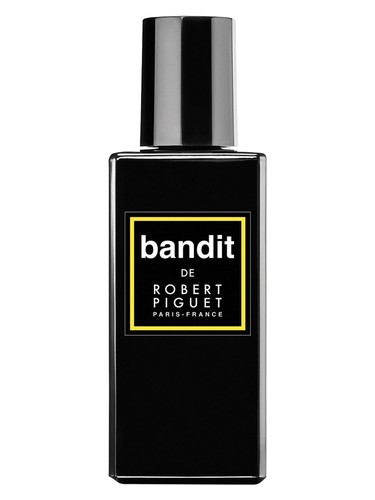
The first spray of Bandit is an ambush. There''s no gentle introduction, no polite floral greeting—just an immediate assault of sharp green galbanum slicing through aldehydes, underscored by the bitter bite of artemisia. This is a fragrance that announced itself in 1944 with the same audacity as a woman lighting her own cigarette in a smoke-filled jazz club. The opening feels almost medicinal, aggressively aromatic, with bergamot and neroli attempting to soften edges that refuse to be softened. Gardenia and ylang-ylang peek through, but they''re overshadowed by the dominant green-aromatic surge that makes you pause and reconsider everything you thought you knew about feminine perfumery.
Within moments, something darker emerges: the unmistakable scent of leather, raw and unapologetic. This isn''t the refined leather of a new handbag; it''s the worn, lived-in leather of a motorcycle jacket. Bandit doesn''t ask permission. It takes up space.
The Scent Profile
Bandit''s composition reads like a manifesto against conformity. The top notes deliver that characteristic aromatic punch—aldehydes providing vintage sparkle while galbanum and artemisia create an almost medicinal bitterness. Orange and bergamot add citrus brightness, but they''re quickly absorbed into the green darkness. The neroli, gardenia, and ylang-ylang that should sweeten the opening are instead absorbed into something far more complex and challenging.
As the fragrance settles, the heart reveals a surprisingly lush floral core. Carnation brings spicy warmth, jasmine and tuberose offer creamy indolic richness, while rose and violet root add powdery depth. Yet these florals don''t behave like traditional feminine notes—they''re trampled underfoot by that dominant leather accord, crushed into the earth alongside the oakmoss and patchouli that begin rising from the base.
The dry down is where Bandit reveals its true nature. Oakmoss anchors the composition with earthy depth, while leather takes center stage alongside animalic civet and musk. Vetiver and patchouli add woody, earthy dimensions, with myrrh providing resinous warmth and an unexpected whisper of coconut in the amber base. This is a mossy, woody, animalic symphony that registers at 90% animalic intensity and 88% earthy character. The overall effect is aromatic to its core—100% on that accord—creating a fragrance that defies easy categorization.
Character & Occasion
Bandit exists outside the traditional day-night binary. The data shows zero percent preference for either, which perfectly captures this fragrance''s rebellious nature—it simply doesn''t play by those rules. This is a scent that transcends temporal conventions, suitable for whenever you need armor made of scent molecules.
Remarkably versatile across seasons, Bandit works year-round, though its heavy leather and moss profile might feel most at home in cooler weather. The earthy, woody character (76-88% across various accords) gives it enough weight for winter, while the bright galbanum and citrus notes prevent it from becoming oppressive in warmer months.
Who is Bandit for? Not the timid. With its 90% animalic accord and 75% leather presence, this is a fragrance for those who appreciate bold, unconventional compositions. It''s for vintage collectors chasing the ghost of the original formula, for leather devotees who find most modern interpretations too polite, and for anyone seeking a green chypre with genuine teeth.
Community Verdict
The fragrance community speaks about Bandit with a peculiar mix of reverence and mourning, scoring it at 7.5/10 in sentiment across 59 opinions. The divide is clear and painful: vintage Bandit is celebrated as a leathery, dark masterpiece—a unique green-leather-chypre profile that modern perfumery has failed to replicate. Collectors praise its iconic status and historical significance, recognizing it as genuinely groundbreaking.
But here''s where the conversation darkens. Contemporary reformulations face heavy criticism, described as disappointing shadows of the original. The community reports overwhelming artemisia and aldehydes in modern versions, with the signature leather character significantly diminished. Vintage bottles command high prices and remain difficult to find in good condition, leaving collectors in a frustrating bind: pay premium prices for potentially degraded juice, or settle for a reformulation that bears the name but not the soul.
The consensus is unambiguous—if you want to understand why Bandit matters, you need vintage. Everything else is compromise.
How It Compares
Bandit sits among the pantheon of bold chypres that defined mid-century perfumery. Its siblings in spirit include Paloma Picasso''s self-titled powerhouse, Estée Lauder''s Knowing, and Grès''s Cabochard—all fragrances that share that unapologetic leather-moss-earth DNA. Aromatics Elixir by Clinique and Mitsouko by Guerlain round out the family, though Bandit distinguishes itself with that pronounced green opening and particularly aggressive animalic character.
Where Mitsouko achieves complexity through restraint, Bandit achieves it through intensity. It''s the wildest child in a family of strong personalities.
The Bottom Line
With a rating of 4.02 from 2,566 votes, Bandit maintains solid appreciation, though that number likely masks the vintage-versus-reformulation divide. The truth is, there are two different fragrances wearing this name, and your experience will depend entirely on which version you encounter.
Should you try Bandit? Absolutely—but with clear expectations. If you can access vintage formulations, you''ll experience a piece of perfume history that genuinely pushed boundaries. The reformulation, while disappointing to purists, still offers a glimpse of that green-leather-chypre architecture, even if the building has been renovated beyond recognition.
This is essential sampling for anyone serious about understanding perfume history, leather compositions, or the evolution (or devolution) of classic fragrances. Just know that what you smell today may be Bandit in name only—a bittersweet reminder that some revolutions can''t be recreated, only remembered.
AI-generated editorial review