First Impressions
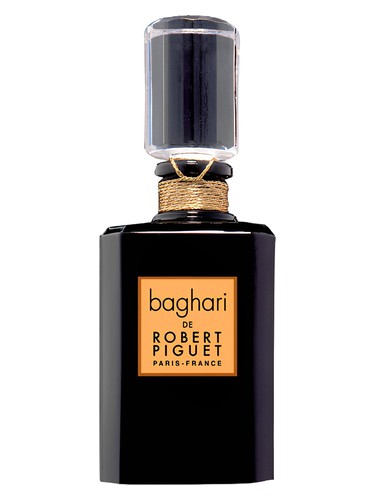
The first spray of Baghari 2006 is like stepping into a beam of winter sunlight filtered through champagne. There''s an immediate sparkle—that unmistakable aldehydic fizz that defined French perfumery''s golden age—but with a softer, more contemporary touch. Where vintage aldehydics could feel sharp enough to slice bread, Baghari 2006 opens with a luminous effervescence that feels both dressed-up and surprisingly approachable. It''s the scent of polished sophistication without the intimidation factor, a modern love letter to the aldehydic florals that once dominated every elegant woman''s vanity.
The aldehydes here dominate completely—the accord registers at full strength—creating that characteristic soapy-waxy brightness that lifts everything skyward. But this isn''t a museum piece. There''s a freshness running through the opening (63% of its character) that keeps the composition from feeling dated or overly formal. It''s the difference between wearing your grandmother''s fur coat and finding a perfectly tailored vintage piece that somehow feels entirely relevant today.
The Scent Profile
Baghari 2006 builds its structure on a foundation that any perfume historian would recognize: aldehydes, rose, and jasmine—the holy trinity of classic French femininity. But the execution speaks to 2006''s sensibilities, balancing reverence with restraint.
Those aldehydes own the opening act entirely, creating a shimmering veil of soapiness that''s clean without being detergent-like. Think freshly pressed linens in a sunlit room, or the fleeting scent of expensive face cream still lingering on your fingertips. The freshness here isn''t citrus-bright; it''s more about that sense of pristine cleanliness, of something immaculately maintained.
As the initial sparkle settles, Bulgarian rose emerges alongside jasmine to form the heart. The rose makes itself known (43% of the overall impression), but it''s not a soliflore showcase. Instead, it plays beautifully with the jasmine, creating that classic floral partnership that feels simultaneously romantic and refined. The rose here leans slightly powdery (36% powdery accord), but not in a makeup-compact way—more like the soft, slightly dusty texture of rose petals pressed in a book.
The base reveals where Baghari 2006 makes its most contemporary move. Amber, musk, and vanilla create a warm, enveloping foundation that prevents this from being just another aldehydic exercise. The amber contributes 42% of the fragrance''s personality, adding a resinous warmth that grounds all that effervescence. The musk (40% of the composition) provides soft, skin-like intimacy, while vanilla adds just enough sweetness to keep things inviting without tipping into gourmand territory. This base transforms what could have been a cool, untouchable fragrance into something you actually want to wear rather than just admire from afar.
Character & Occasion
Baghari 2006 is decidedly a cold-weather companion. The community has spoken clearly on this point: it''s perfect for fall (100% suitability) and winter (81%), when its warmth and substance can truly shine. Spring gets a moderate nod at 57%, but summer? Only 32% find it appropriate for heat, and that makes perfect sense. This is a fragrance that needs a coat and scarf to show its best side—the richness of that amber-vanilla base would feel stifling in July humidity.
The versatility appears in its day-to-night adaptability. With 86% day suitability and 79% night approval, Baghari 2006 transitions beautifully from office to evening. It''s dressy enough for important meetings or dinner dates, yet restrained enough not to overwhelm a casual lunch. This is the fragrance for someone who wants to smell polished and intentional, whether they''re presenting to clients at noon or meeting friends for cocktails at seven.
Who wears Baghari 2006? Someone who appreciates the architecture of classic perfumery but doesn''t want to smell like a costume. She''s likely drawn to quality over trends, elegance over attention-seeking. This isn''t a fragrance for someone seeking compliments from strangers—it''s for the woman who wants to feel put-together, who understands that scent is part of how you move through the world with intention.
Community Verdict
With a rating of 4.16 out of 5 from 893 voters, Baghari 2006 has earned genuine respect from the fragrance community. That''s a solid score that speaks to quality and execution without suggesting perfection. Nearly 900 people have weighed in, and the consensus is clear: this is a well-crafted fragrance that delivers on its promise.
The rating suggests something worth seeking out, particularly for those with an appreciation for aldehydic compositions. It''s not polarizing enough to inspire worship or hatred—instead, it occupies that admirable middle ground of consistent quality and reliability.
How It Compares
Baghari 2006 finds itself in distinguished company. Its similarities to Chanel N°5 Eau Premiere and Chanel No 5 Parfum are no accident—these are all descendants of the same aldehydic-floral lineage. But where N°5 is iconic to the point of being ubiquitous, Baghari offers a path to that same sophistication with more exclusivity.
Dia Woman by Amouage and Arpège by Lanvin share that classic structure, while Dune by Dior suggests the modern, wearable approach that Baghari also embraces. Within this category, Baghari 2006 positions itself as the accessible alternative to Amouage''s opulence and a more substantial option than Chanel''s lighter interpretations. It''s the middle path: serious enough for aldehydic purists, approachable enough for those just discovering the genre.
The Bottom Line
Baghari 2006 succeeds at a difficult task: honoring aldehydic perfumery''s heritage while creating something that feels relevant nearly two decades after its launch. That 4.16 rating reflects genuine appreciation from a sizable community—this isn''t a hidden gem or a controversial masterpiece, but rather a well-executed fragrance that knows exactly what it wants to be.
For those curious about aldehydic florals but intimidated by the vintage heavyweights, Baghari 2006 offers an excellent entry point. For devotees of the category, it provides a modern alternative that doesn''t compromise on quality or structure. The fall and winter months are its natural habitat, and anyone building a cold-weather wardrobe of elegant, office-appropriate fragrances should give this one serious consideration.
Is it groundbreaking? No. But it doesn''t need to be. Sometimes the best fragrances are the ones that simply do their job beautifully, day after day, season after season. Baghari 2006 is exactly that kind of reliable sophistication.
AI-generated editorial review