First Impressions
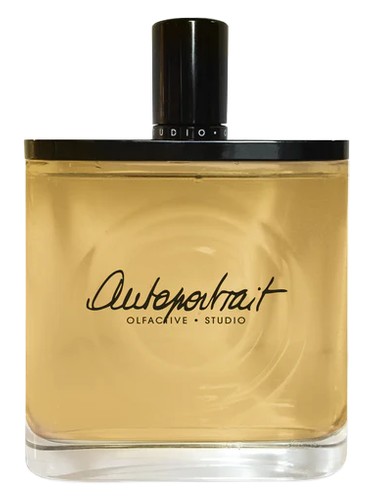
There''s something paradoxical about a perfume called Autoportrait. The name suggests introspection, self-examination—yet the opening of this 2011 Olfactive Studio creation feels less like looking in a mirror and more like softly sketching yourself from memory. The initial spray brings brightness through elemi and bergamot, but these citrus touches aren''t sharp or attention-seeking. Instead, they cast a gentle, resinous glow, like morning light filtering through linen curtains. This is the olfactory equivalent of a pencil drawing rather than oil paint—subtle, understated, and far more concerned with suggestion than declaration.
What strikes you immediately is how undemanding it feels. In a category often dominated by fragrances that announce themselves from across a room, Autoportrait chooses intimacy. It''s the scent of someone who knows exactly who they are and feels no need to broadcast it.
The Scent Profile
The journey through Autoportrait''s composition reveals careful architectural restraint. Those opening notes of elemi and bergamot provide just enough lift to prevent the fragrance from feeling heavy, though they''re clearly supporting players rather than stars. The elemi, a resin with peppery, lemony facets, adds complexity to the bergamot''s familiar citrus comfort, creating an aromatic halo that hovers for perhaps twenty minutes before yielding.
The heart is where Autoportrait''s true character emerges. Benzoin, incense, and musk form an unusual triumvirate—simultaneously warm and cool, grounding yet diffusive. The incense isn''t cathedral-dense; instead, it feels like the ghost of smoke that lingers in a room long after the censers have been extinguished. Benzoin adds a balsamic sweetness that prevents the composition from becoming too austere, while the musk provides that crucial "second skin" quality that has made this fragrance a cult favorite.
As the base develops, Virginia cedar, vetiver, and oakmoss create a woody foundation that fully justifies the 100% woody accord rating. Yet this isn''t lumber-yard wood or fresh-cut timber. It''s aged, weathered, refined—the kind of wood you find in antique furniture or the interior of a violin. The vetiver adds an earthy, slightly smoky dimension, while oakmoss (or likely a modern accord mimicking it) provides that classic chypre-adjacent depth that sophisticated wearers recognize and appreciate.
Character & Occasion
The data tells a clear story: Autoportrait is fundamentally an autumn fragrance, with fall scoring 100% in seasonal appropriateness. This makes perfect sense. There''s something about its woody, slightly incense-tinged character that aligns perfectly with cooler weather, falling leaves, and the introspective mood of shorter days. Spring follows at 65%, suggesting versatility during transitional weather, while winter at 50% indicates it can handle cold but perhaps lacks the richness some seek in deep winter months. Summer, at 34%, is clearly not its natural habitat—this is not a fragrance built for heat and humidity.
The day/night split is revealing: 83% day versus 36% night. This positions Autoportrait squarely in the territory of refined daytime wear. Community feedback confirms this, with users praising it specifically for office environments, school settings, and daily casual contexts where you want to smell good without commanding attention. It''s the fragrance equivalent of a perfectly tailored white shirt—appropriate everywhere, offensive nowhere, and quietly elevating your presence.
The feminine designation feels almost incidental here. While marketed that way, Autoportrait''s woody, aromatic profile would sit comfortably on anyone who appreciates understated elegance.
Community Verdict
The r/fragrance community has embraced Autoportrait with genuine enthusiasm, awarding it an 8.2/10 sentiment score based on 64 opinions—a solid endorsement from a group not known for pulling punches. The praise centers consistently on its "your skin but better" quality, that elusive characteristic where a fragrance enhances rather than masks your natural presence.
Users report high replay value with multiple mentions of quick full-bottle consumption—always a reliable indicator of satisfaction. When people actually wear through a bottle rather than relegating it to shelf status, it speaks volumes.
The cons are honest and unsurprising: light projection means you won''t leave a scent trail, which some see as a feature and others as a limitation. Niche availability can make it harder to sample before committing, and the price point, while not extreme for a niche fragrance, gives some pause. But these criticisms feel minor against the backdrop of genuinely positive experiences.
What emerges from the community data is a portrait (pun intended) of a fragrance that does one thing exceptionally well: providing sophisticated, wearable woodiness for everyday life.
How It Compares
The similar fragrances list reads like a who''s-who of respected woody compositions: Tauer''s L''Air du Desert Marocain, Serge Lutens'' Fille en Aiguilles, Lalique''s Encre Noire, Tom Ford''s Oud Wood, and Hermès'' Terre d''Hermès. This is august company, and Autoportrait holds its own by being the most approachable and skin-like of the group. Where L''Air du Desert Marocain brings cumin spice and Encre Noire leans gothic-dark, Autoportrait maintains balance and wearability.
It occupies a sweet spot: more complex than a simple cedar fragrance, but less challenging than many artistic niche offerings.
The Bottom Line
With a rating of 3.98 out of 5 from 920 votes, Autoportrait sits comfortably in "very good" territory—not a game-changing masterpiece, but a consistently reliable performer that delivers exactly what it promises. The value proposition depends on your priorities: if you seek compliments and projection, look elsewhere. If you want a sophisticated woody fragrance that makes you smell subtly excellent throughout your workday, this deserves serious consideration.
Who should try it? Anyone seeking their signature "quiet confidence" scent for professional environments. Those who''ve worn Terre d''Hermès and want something similar but softer. People who value subtlety over statement. In short: grown-ups who know themselves well enough not to shout.
AI-generated editorial review