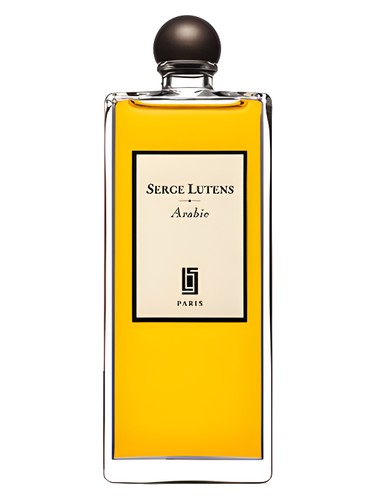
First Impressions
Spraying Arabie for the first time is like opening an ancient merchant''s chest filled with exotic treasures—except you''re not quite sure if everything inside actually belongs together. The opening arrives bright and assertively dry, a blast of fresh spices mingling with dried fruits in a way that immediately announces its unconventional nature. This is Serge Lutens at his most uncompromising, crafting a fragrance in 2000 that still feels defiantly outside the mainstream over two decades later. There''s an immediate brightness here, but it''s not the clean freshness of citrus or the sparkle of aldehydes—it''s the sharp, almost dusty radiance of spices caught in desert sunlight.
The Scent Profile
Without specific note information disclosed, Arabie reveals itself through its dominant accords—and what a revealing portrait they paint. The composition leads with an overwhelming fresh spicy character (registering at 100% intensity), immediately followed by a sweetness (96%) that plays second fiddle rather than taking center stage. This creates the fragrance''s central tension: spices that refuse to be tamed by sugar.
The fruity accord (94%) emerges as dried rather than juicy—think dates, figs, and perhaps prunes left to cure in the sun rather than anything remotely resembling a fruit cocktail. These aren''t the candied fruits of gourmand perfumery; they''re the leathery, concentrated essences found in souks and spice markets. The warm spicy dimension (83%) adds depth and heat, suggesting cinnamon bark, cumin, or cardamom building beneath the surface.
As the fragrance settles, amber (76%) provides a resinous warmth, while woody undertones (59%) anchor the composition without dominating it. The evolution is less about distinct phases and more about a gradually shifting kaleidoscope of spice and sweetness, never quite settling into easy categorization. The dried fruit notes persist throughout, weaving through the spice in a way that some find fascinating and others experience as discordant.
Character & Occasion
Arabie is unequivocally a cold-weather creature. With winter scoring a perfect 100% and fall close behind at 94%, this fragrance finds its natural habitat when temperatures drop and heavier scents become appropriate. The mere 36% summer rating and 22% spring score make clear that this is not a fragrance for warm breezes and light fabrics—it demands sweaters, coats, and perhaps even scarves.
Interestingly, while it performs well during the day (78%), it truly comes alive at night (85%). There''s something about evening darkness that allows its unusual character to feel less jarring, more mysterious. This is the fragrance for dinner parties where you want to be remembered, for winter walks through city streets, for moments when conventional prettiness would feel too safe.
The data lists this as feminine, but Arabie challenges such easy classification. This is a fragrance for the adventurous, for those who''ve grown bored with mainstream offerings and seek something genuinely different. It demands confidence from its wearer—you need to be comfortable with confusion, with raised eyebrows, with being asked "What is that you''re wearing?"
Community Verdict
The fragrance community''s mixed sentiment (6.5/10) tells a revealing story about Arabie''s challenging nature. Based on 79 opinions from Reddit''s fragrance community, the consensus is far from consensus. Admirers praise its unique and distinctive scent profile, appreciating the interesting spice notes and that bright, dry opening with fruit accords. It''s undeniably memorable and serves as a reliable conversation starter—for better or worse.
The criticisms, however, are equally vocal. Many find Arabie confusing and difficult to categorize, struggling to place it within their olfactory frameworks. The complaint that it lacks the sweetness expected from date-forward fragrances points to a fundamental disconnect between what the name and marketing suggest versus what the bottle delivers. Most damning is the recurring observation that it can smell like "a jumbled spice rack rather than cohesive composition"—individual ingredients jostling for attention rather than harmonizing into a unified vision.
Despite its 4/5 rating based on 3,289 votes, the Reddit sentiment reveals what those stars sometimes hide: this is a fragrance that people respect more than they love, admire more than they wear regularly.
How It Compares
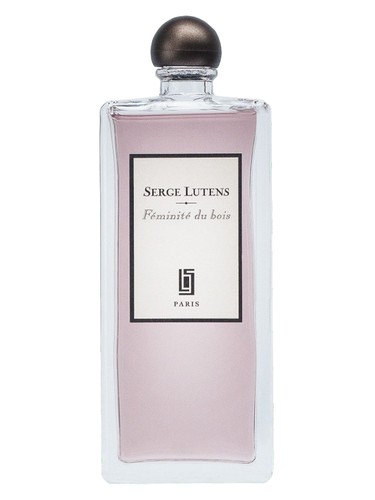
Arabie exists in interesting company. Its similarity to Feminité du Bois (another Serge Lutens creation) suggests a shared DNA of unconventional woody-spicy compositions. The connections to Kenzo Jungle L''Elephant, Poison, and Angel indicate a family of bold, unapologetic fragrances that privilege character over easy wearability. The link to Fille en Aiguilles shows Lutens'' consistent approach to creating challenging, artistic fragrances that demand engagement rather than offering immediate gratification.
Where Arabie distinguishes itself is in its particular brand of dissonance—that "spice rack" quality that either fascinates or frustrates. While Angel has its detractors, few accuse it of lacking cohesion. Arabie''s genius or failure (depending on your perspective) lies in its refusal to blend seamlessly.
The Bottom Line
Arabie is not a fragrance to blind-buy, nor is it one to approach seeking comfort or mass appeal. With its 4/5 rating tempered by distinctly mixed community sentiment, it occupies a peculiar space: widely appreciated in theory, less universally embraced in practice. This is niche perfumery at its most uncompromising—beautiful to some, bewildering to others, but boring to absolutely no one.
Should you try it? If you''re a collector seeking unusual additions to your wardrobe, if you''ve exhausted mainstream options, if you want a winter fragrance that announces rather than whispers—absolutely. Sample first, preferably multiple times. Give it a chance to reveal whether its spice rack character reads as artistic complexity or olfactory confusion on your skin. Just don''t expect it to make sense, and you might find that''s precisely its appeal.
AI-generated editorial review