First Impressions
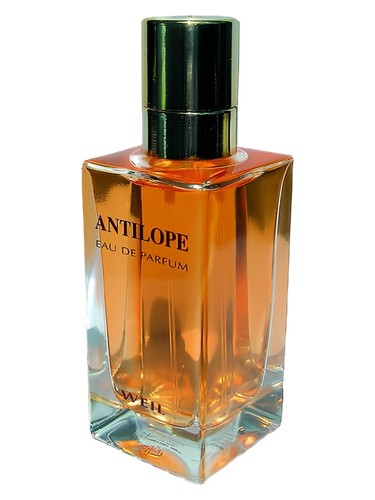
The first spray of Antilope conjures a peculiar kind of nostalgia—not for a time you''ve necessarily lived through, but for the idea of mid-century sophistication itself. That opening blast of aldehydes arrives with bergamot and neroli in tow, creating an effervescent brightness that feels simultaneously vintage and vitally alive. This is no demure introduction. Instead, Weil''s 1946 creation announces itself with the kind of confident sparkle that characterized post-war optimism, when women were reclaiming elegance after years of austerity. But there''s something more unusual here than the expected aldehydic shimmer—an aromatic quality threads through from the very beginning, hinting at the herbal complexity that will define this fragrance''s true character.
The Scent Profile
Antilope takes an unexpected path for an aldehydic floral. While the bergamot and neroli provide that classic citrus-floral brightness and the aldehydes create their signature soapy effervescence, the development quickly reveals why this fragrance registers as 100% aromatic in its accord profile. As the top notes settle, clary sage emerges with remarkable prominence—an herbal, almost medicinal greenness that distinguishes Antilope from its more straightforward aldehydic contemporaries.
The heart is where this fragrance truly establishes its identity. Here lies a substantial floral bouquet: carnation with its spicy clove-like facets, iris contributing its cool, rooty powder, rose adding classic refinement, violet lending softness, lily-of-the-valley providing green freshness, and jasmine offering indolic depth. Yet these florals never quite bloom in the expected way. That aromatic sage influence persists, creating an unusual interplay between the powdery-floral and the herbaceous-earthy. The iris and violet drive the 98% powdery accord rating, but they''re tempered by the sage''s more grounded, almost medicinal character.
The base reveals Antilope''s structural backbone: musk provides smooth animalic warmth, oakmoss brings that unmistakable vintage chypre earthiness (accounting for the 69% earthy accord), amber adds resinous sweetness, sandalwood contributes creamy woodiness, and vetiver introduces a smoky, rooty depth. This foundation explains the 84% woody accord rating and ensures the fragrance wears with substantial longevity. The base doesn''t merely support the florals—it transforms them, pulling that powdery bouquet into darker, more complex territory as the hours progress.
Character & Occasion
Antilope finds its natural habitat in the cooler months. The community data speaks clearly: this is overwhelmingly a fall fragrance (80%), with strong winter viability (61%), moderate spring appeal (49%), and only limited summer wear (29%). That seasonal profile makes perfect sense. The aromatic sage and earthy oakmoss need cool air to shine without becoming overwhelming, while the powdery florals benefit from autumn and winter''s ability to soften their vintage intensity.
This is decidedly a daytime scent (100%), though it transitions respectably into evening wear (51%). There''s something about its aromatic-powdery character that feels most at home in natural light—perhaps worn to a museum afternoon, a sophisticated lunch, or an autumn walk through fallen leaves. It carries the kind of self-possessed elegance that doesn''t need darkness to make its impact.
Who is Antilope for? Someone who appreciates vintage constructions but wants something less conventional than a straightforward aldehydic floral. Someone who finds pure powder too sweet and pure chypres too severe, and seeks that aromatic middle ground. This fragrance rewards those who have patience with perfumes that reveal themselves slowly, that shift throughout the day, that don''t announce every facet at once.
Community Verdict
With a solid 4.13 out of 5 stars across 342 votes, Antilope has earned genuine respect from those who''ve encountered it. That rating, combined with the substantial vote count, suggests this isn''t merely a nostalgic curiosity—it''s a fragrance that delivers real appeal to contemporary wearers. The score indicates consistent appreciation rather than polarizing reactions, suggesting Antilope achieves what it sets out to do with competence and charm. For a fragrance approaching 80 years old, maintaining this level of community approval speaks to a composition that has aged with grace.
How It Compares
The similar fragrance list reads like a who''s-who of sophisticated vintage femininity: Yves Saint Laurent''s Rive Gauche, Chanel No 5 Parfum, Estée Lauder''s Knowing, Madame Rochas, and Arpège by Lanvin. Antilope sits comfortably within this company, sharing the aldehydic brightness of Chanel No 5, the aromatic complexity of Rive Gauche, and the powdery elegance of Arpège. Where it distinguishes itself is in that unusual aromatic-earthy emphasis—the clary sage gives it a more herbaceous, less conventionally pretty character than some of its peers. It''s perhaps less immediately accessible than No 5, less austere than Knowing, but more distinctive than straightforward floral aldehydes of its era.
The Bottom Line
Antilope deserves its 4.13 rating and the continued attention of those who seek vintage perfumery with substance. This isn''t a museum piece to be admired from a distance—it''s a wearable, compelling fragrance that brings something genuinely different to the aldehydic floral category. The aromatic sage element keeps it from feeling like yet another powdery throwback, while the earthy base gives it grounding that many similar fragrances lack.
If you''re drawn to sophisticated, complex fragrances that favor subtlety over projection, that work best in cooler weather, and that reveal new facets over hours of wear, Antilope merits your attention. It''s particularly worth exploring if you already appreciate vintage chypres or aldehydic florals but want something that splits the difference between those two camps. At nearly eight decades old, Weil''s Antilope remains vital—a testament to thoughtful composition and the enduring appeal of aromatic powder done right.
AI-generated editorial review