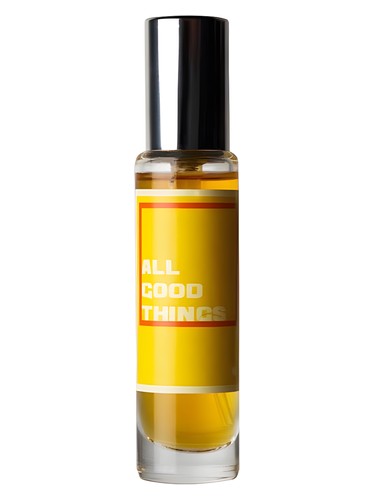
First Impressions
All Good Things doesn''t ask for your approval—it demands your patience. The first spray is famously confrontational, a woody-aromatic assertion that has turned away casual samplers and intrigued the committed in equal measure. This is Lush in full philosophical mode, creating something that refuses to charm immediately. Instead, it opens with an almost austere woodiness backed by aromatic elements that feel more meditative than mainstream. There''s a raw, unpolished quality to those initial moments, like entering a room where incense has been burning for hours—the air thick, contemplative, and decidedly not trying to make friends quickly.
The Scent Profile
Without specified notes to guide us, All Good Things reveals itself through its dominant accords, and they paint a fascinating portrait. At 100%, the woody accord forms the absolute foundation—this is wood as structure, not decoration. It''s the kind of woodiness that evokes aged timber and temple floors rather than fresh-cut cedar or polished mahogany.
The aromatic character follows closely at 90%, weaving through that woody base with an herbal, almost medicinal quality that gives the composition its edge. These aren''t the friendly lavender-rosemary aromatics of conventional perfumery; they''re deeper, more resinous, with an introspective character that aligns this fragrance with Lush''s other philosophical explorations like Breath of God and Rentless.
As the fragrance settles, vanilla emerges at 68%—substantial enough to soften those austere opening moments but not so dominant as to turn this into a gourmand. This vanilla feels aged, possibly tinged with smoke or resin, adding warmth without sweetness. Speaking of which, the sweet accord registers at just 42%, a supporting player rather than a lead. This restraint keeps All Good Things from veering into crowd-pleasing territory.
Fresh spicy notes (40%) add a subtle kick, while amber at 34% contributes a glowing warmth in the base. The overall effect is of a fragrance that moves from challenging aromatic woodiness into something warmer, rounder, and increasingly compelling as hours pass.
Character & Occasion
The seasonal data tells a clear story: this is a fragrance born for fall (100%) and winter (79%), with minimal relevance to summer (28%). It makes sense—All Good Things wraps around you like a heavy cardigan, providing olfactory comfort against cold weather. The woody-aromatic profile feels perfectly suited to shorter days and contemplative moods, to libraries and late-afternoon walks through bare trees.
Interestingly, while it skews heavily toward daytime wear (76%), it holds its own in evening contexts (69%). This versatility speaks to its unconventional character—it''s neither bright enough to be obviously casual nor dressed-up enough to feel exclusively formal. Instead, it occupies that liminal space between, working equally well for a day spent writing in a coffee shop or an intimate dinner where conversation matters more than impression.
This is decidedly a fragrance for those comfortable in their own skin, who''ve moved past the need for compliments or validation through scent. The feminine categorization feels somewhat arbitrary; the woody-aromatic profile could easily cross traditional gender boundaries.
Community Verdict
With a sentiment score of 6.5/10 from 25 community opinions, All Good Things receives decidedly mixed reviews—and the specifics reveal why. The overwhelming consensus centers on its challenging opening: it "starts off harsh or off-putting," according to multiple reviewers. This isn''t a spritz-and-love-it fragrance.
However, there''s a compelling counterpoint: it "improves with wear and time" and "grows on you after initial sampling." The community describes an "interesting composition that develops," suggesting that those willing to weather the difficult opening are rewarded with something genuinely distinctive. The recommendation for "sampling before commitment" appears repeatedly, as does the advice about "personal exploration and discovery."
The cons include "limited community discussion and reviews" and being "not widely mentioned in broader fragrance conversations"—a double-edged sword that could indicate either obscurity or exclusivity, depending on your perspective. With 574 votes averaging 4.27/5, there''s clearly an enthusiastic core audience, even if the broader community remains small.
How It Compares
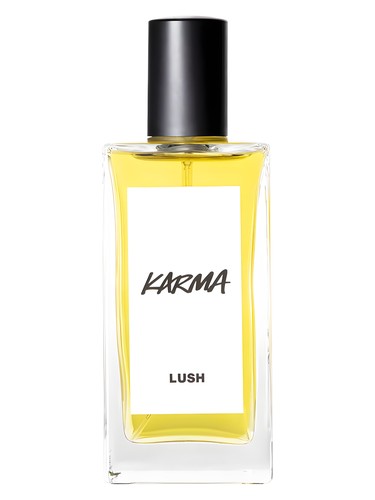
The comparison fragrances reveal All Good Things'' DNA. Its siblings Rentless and Breath of God share that same philosophical, unconventional approach to perfumery. The mention of Maison Martin Margiela''s By the Fireplace suggests similar woody-smoky terrain, while Karma points to Lush''s patchouli-heavy, hippie-spiritual aesthetic. Most intriguingly, the inclusion of Guerlain''s Shalimar hints at shared ground in the amber-vanilla-resin space, though All Good Things takes a decidedly less polished, more deliberately rough-hewn approach.
This is fragrance as statement rather than accessory, positioning itself closer to niche experimentation than mass-market appeal.
The Bottom Line
All Good Things sits at 4.27/5 from 574 votes—a strong rating that reflects genuine appreciation from those who''ve given it time. This isn''t a fragrance for impulsive purchases or blind buys. The community consensus couldn''t be clearer: sample first, wear it for a full day, let it challenge you.
If you''re someone who appreciates fragrances that evolve, who finds beauty in the unconventional, and who has the patience to let a scent reveal itself slowly, All Good Things offers genuine rewards. It''s for people who wear fragrance as personal meditation rather than social signal, who appreciate Lush''s commitment to doing things differently even when—especially when—it means being challenging.
At its best, this is a fragrance about the journey from difficulty to understanding, from resistance to appreciation. Not all good things come to those who wait—but this one might.
AI-generated editorial review