First Impressions
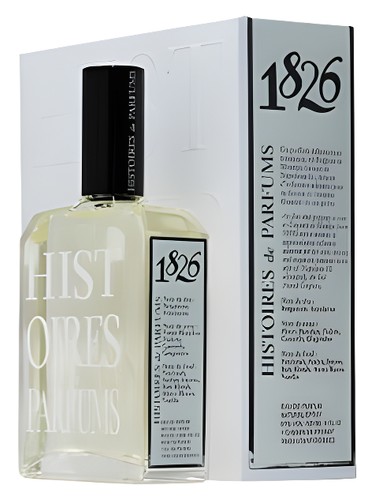
The first spritz of 1826 reveals why Histoires de Parfums chose this date—the birth year of novelist Eugénie de Montijo, who would become Empress of France. There''s something decidedly regal in that opening burst of tangerine and bergamot, a bright citrus fanfare that feels more like a formal introduction than a casual hello. But within moments, the sparkling prelude gives way to something far more substantial. This is not a fragrance that lingers in small talk. The woody character announces itself almost immediately, wrapped in amber''s golden glow, creating an impression both commanding and surprisingly soft. It''s the olfactory equivalent of velvet draped over oak.
The Scent Profile
The journey from top to base in 1826 unfolds like chapters in a well-crafted novel—each phase distinct, yet flowing seamlessly into the next. Those opening notes of tangerine and bergamot are fleeting pleasures, perhaps intentionally so. They''re there to lift and lighten what could otherwise feel immediately heavy, providing just enough brightness to make the transition into the heart feel earned rather than abrupt.
And what a heart it is. Violet emerges first, bringing its characteristic powdery softness that accounts for the fragrance''s notable 65% powdery accord. But this isn''t a soliflore moment—the violet is immediately joined by white florals that add creaminess without overwhelming the composition. Then comes the warmth: cinnamon and ginger weave through the floral tapestry, their spicy heat creating that 78% warm spicy accord that prevents the powderiness from becoming too demure or old-fashioned. It''s a masterful balance, the kind that keeps you returning to your wrist throughout the day, discovering new facets.
The base is where 1826 truly settles into its identity. Patchouli takes center stage—that earthy, slightly funky, utterly addictive note that dominates at 73%. But it''s patchouli refined and softened by excellent company: amber provides sweetness and depth, woody notes add structure, while incense brings a contemplative, almost spiritual quality. Musk grounds everything with its skin-like intimacy, and vanilla rounds out the edges without tipping the composition into gourmand territory. This is the foundation that explains the 100% woody accord and 80% amber rating—it''s a base built to last, to comfort, to envelop.
Character & Occasion
If ever a fragrance was made for autumn, it''s 1826. The data confirms what the nose immediately understands: this is fall personified at 100%, followed by winter at 66%. There''s something about the combination of spice, wood, and powder that captures those first crisp days when you reach for a scarf, when leaves crunch underfoot, when the air smells of earth and endings and beginnings all at once.
Spring registers at 59%, which makes sense—1826 has enough brightness and floral character to carry into those transitional months. But summer, at just 26%? This is definitively not a warm-weather fragrance. The patchouli and amber would feel stifling in heat, the spices overwhelming rather than inviting.
The day/night split reveals something interesting: 91% day versus 47% night. Despite its depth and complexity, 1826 wears more easily in daylight hours. Perhaps it''s that powdery quality, or the way the violet keeps things from becoming too seductive or heavy. This isn''t a date-night bombshell; it''s a confident daytime statement, the scent of someone who has nothing to prove but much to say.
Community Verdict
With a solid 3.81 rating from 700 votes, 1826 sits comfortably in "very good" territory. This isn''t a polarizing blockbuster, nor is it a niche curiosity that only speaks to a select few. Instead, it''s a well-crafted fragrance that delivers exactly what it promises: a sophisticated woody amber with enough complexity to reward attention. The substantial vote count suggests this isn''t a hidden gem—people are finding it, trying it, and largely appreciating it. That it doesn''t reach into the 4+ range isn''t necessarily a weakness; rather, it suggests a fragrance with a clear identity that either resonates with you or doesn''t, without trying to be everything to everyone.
How It Compares
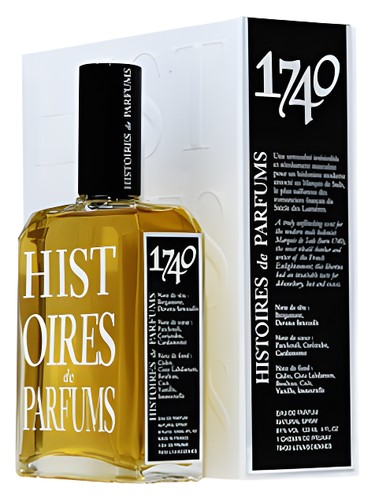
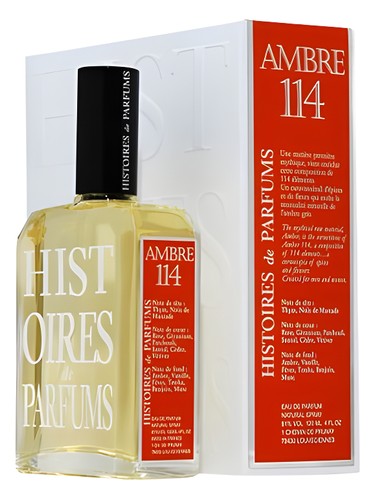
The list of similar fragrances reads like a greatest hits of woody amber orientals: Dior''s Dune, Guerlain''s Shalimar, Amouage''s Lyric Woman, Tom Ford''s Black Orchid, and Histoires de Parfums'' own Ambre 114. This is distinguished company, and 1826 holds its own by leaning into that powdery patchouli character that sets it apart. Where Shalimar goes full-throated oriental and Black Orchid embraces gothic drama, 1826 maintains a softer, more approachable warmth. It shares Dune''s powdery sophistication but adds more pronounced spice and earthiness. Think of it as the middle ground between accessibility and complexity—easier to wear than Lyric Woman, more interesting than a department store staple.
The Bottom Line
At just over two decades old, 1826 has proven its staying power in Histoires de Parfums'' lineup, and it''s easy to understand why. This is autumn in a bottle, crafted for someone who appreciates warmth without sweetness, complexity without confusion, and sophistication without stuffiness. The 3.81 rating reflects its quality—this is a very good fragrance that stops short of masterpiece status, but that''s not a criticism. Not every perfume needs to be transcendent; sometimes, "very good" is exactly what you need.
For those who love woody ambers, powdery patchoulis, or simply want a reliable fall signature that won''t smell like everyone else''s pumpkin spice, 1826 deserves a試 試 spray. It''s priced at niche level but delivers niche quality, with longevity and sillage that justify the investment. If you''ve loved any of its similar fragrances but wanted something slightly softer, slightly more wearable for everyday autumn life, this is your answer.
AI-generated editorial review