First Impressions
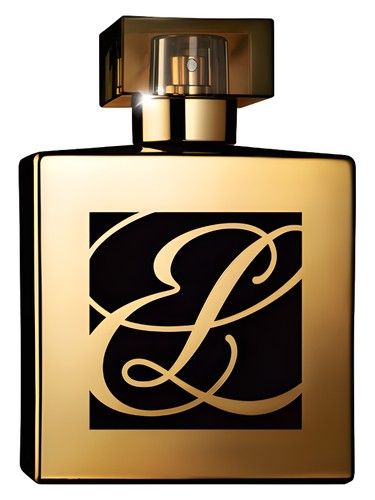
The first spray of Wood Mystique reveals Estée Lauder at its most adventurous. This is not the safe, ladylike territory the brand has long occupied—instead, it''s a bold step into the smoky shadows where oud reigns. Pink pepper provides a spirited introduction, its rosy-spicy bite tempered immediately by the powdery softness of peony. But make no mistake: this opening is merely a velvet curtain drawing back to reveal something far more dramatic. Within minutes, the scent announces its dual nature—a rose that refuses to be demure, backed by the unmistakable woody warmth that would come to define the 2010s fragrance landscape.
The Scent Profile
Wood Mystique unfolds as a carefully choreographed dance between Western florals and Eastern woods, each partner refusing to submit entirely to the other. The top notes of pink pepper and peony create an intriguing contradiction—simultaneously fresh and warm, delicate and assertive. The pepper adds a crackling energy without veering into aggressive territory, while the peony contributes a clean, almost soapy floralcy that feels classic Lauder.
The heart is where this fragrance truly earns its name. A spectacular bouquet emerges: rose takes center stage, flanked by jasmine''s indolic richness, iris''s cool powderiness, ylang-ylang''s creamy sweetness, and mimosa''s honeyed softness. This isn''t a simple rose soliflore—it''s a full-throated floral chorus, each note adding dimension and preventing the composition from becoming one-dimensional. The rose here feels vintage in the best sense: unapologetically feminine, plush, and slightly heady.
But the base is where Wood Mystique delivers its mystique. Agarwood—oud—announces itself with woody, resinous authority, yet it''s remarkably wearable, softened by an unexpected raspberry note that adds both sweetness and a touch of tartness. Leather brings structure and a subtle animalistic quality, while patchouli grounds everything with its earthy darkness. Virginia cedar provides a drier, pencil-shaving woodiness, and benzoin wraps the entire composition in a warm, vanilla-tinged embrace. The overall effect is rich without being overwhelming, sweet without being cloying, woody without being masculine.
Character & Occasion
This is unequivocally a cold-weather companion. The community consensus is clear: winter is Wood Mystique''s natural habitat, with fall running a close second. The combination of rich florals, oud, and sweet base notes makes it too heavy for summer''s heat, where it would likely feel suffocating. Spring might work during cooler evenings, but this fragrance truly comes alive when there''s a chill in the air and you''re layered in cashmere.
The day-to-night versatility tells an interesting story. While it performs well during daylight hours—perhaps for a sophisticated lunch or an autumn afternoon shopping trip—it reaches its full potential after dark. That perfect night rating suggests this is a fragrance for dinners that linger, for first dates that hold promise, for evenings when you want to leave an impression. The oud and rose combination carries just enough weight to command attention in evening settings without overwhelming intimate spaces.
Wood Mystique skews toward someone confident in their femininity but unafraid of depth and complexity. This isn''t a fragrance for the minimalist or the shy. It''s for the woman who appreciates both a vintage Chanel suit and a contemporary leather jacket, who understands that sophistication can have an edge.
Community Verdict
With a rating of 4.07 out of 5 from over 800 votes, Wood Mystique has clearly resonated with those who''ve experienced it. This solid approval rating suggests a fragrance that delivers on its promises—complex enough to be interesting, wearable enough to be practical, and distinctive enough to warrant repurchase. The substantial number of votes lends credibility to this rating; this isn''t a niche obscurity with a handful of devotees, but a fragrance that''s been tested and validated by a broad community.
How It Compares
Wood Mystique exists in interesting company. Its sibling, Amber Mystique, explores similar Eastern-influenced territory from a different angle. Dune by Dior shares a certain contemplative quality and similar balance of warmth and freshness. The comparison to Black Orchid by Tom Ford makes perfect sense—both tackle oud and rich florals for a feminine audience, though Ford''s creation is notably darker and more polarizing. Being mentioned alongside Coco Eau de Parfum and Poison suggests Wood Mystique has earned its place among complex, unapologetically bold feminine fragrances that refuse to fade into the background.
What distinguishes Wood Mystique is its accessibility. Where Black Orchid can feel intimidatingly gothic and Poison notoriously divisive, Lauder''s creation offers a gentler entry point into the world of oud-based feminines—sophisticated without being severe.
The Bottom Line
Wood Mystique represents Estée Lauder successfully venturing beyond its comfort zone without abandoning its DNA entirely. The rose-oud combination that dominates the fragrance (100% and 95% respectively in the accord breakdown) creates something both timeless and contemporary, bridging the gap between classic American elegance and the oud trend that swept the industry.
Is it revolutionary? No. But it doesn''t need to be. What it offers is a well-constructed, richly layered fragrance that balances multiple accords with skill. The woody, floral, sweet, and fruity elements all contribute without canceling each other out—a genuine achievement in a complex composition.
At this rating level, with this level of community validation, Wood Mystique is absolutely worth exploring, particularly if you''re drawn to sophisticated florals with depth, or if you''re curious about oud but intimidated by more aggressive interpretations. It''s a fragrance that rewards patience, revealing new facets as it wears, and one that feels more expensive than its price point suggests. For cold-weather evenings when you want to feel both powerful and alluring, Wood Mystique delivers exactly what its evocative name promises.
AI-generated editorial review