First Impressions
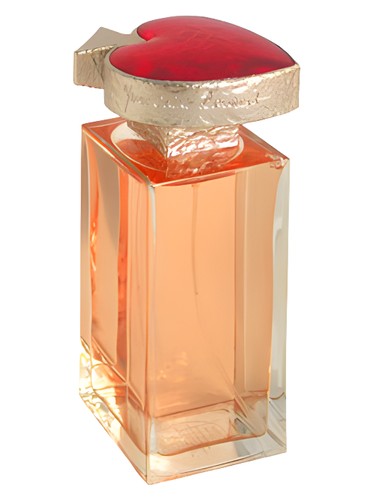
The first spray of Vice Versa is an audacious handshake—firm, unexpected, and impossible to ignore. There''s a tomato note here, green and almost savory, that immediately distinguishes this fragrance from its late-90s peers. But before you can fully process this verdant surprise, a rush of berry-stained sweetness arrives: raspberry and blueberry tangled with mandarin orange, creating a juicy brightness that somehow makes perfect sense alongside that tomato leaf freshness. It''s the olfactory equivalent of a summer salad studded with fresh fruit—unconventional, yes, but undeniably alive.
This opening gambit sets the stage for what Vice Versa truly is: a fragrance that plays with contrast and contradiction, living up to its name in the most literal sense. Released in 1999, a year when fragrance houses were pushing boundaries and experimenting with gourmand and fresh accords in equal measure, Vice Versa represents Yves Saint Laurent''s willingness to challenge what a white floral could be.
The Scent Profile
As the initial green-fruity burst settles, Vice Versa reveals its true heart: an opulent white floral bouquet that would be entirely traditional if not for the playful fruit notes still clinging to its edges. Tuberose takes center stage, creamy and intoxicating, supported by a chorus of African orange flower and jasmine. These are the divas of the composition, rich and heady, but they''re tempered by softer supporting players—freesia, bellflower, and peony add an airy, almost watercolor-like quality that prevents the florals from becoming overwhelming.
Then come the surprises: peach and melon weave through the white flowers, adding a succulent sweetness that feels more orchard than perfume counter. This is where Vice Versa truly earns its 96% fruity accord rating alongside its 100% white floral dominance. The two don''t compete; they dance, each taking turns leading while the other follows.
The base is where the fragrance finds its sophistication and staying power. Iris lends a powdery elegance, while musk provides soft skin-like warmth. Amber and vanilla add gentle sweetness without tipping into full gourmand territory, and Virginia cedar grounds everything with a whisper of woody structure. It''s a foundation that allows the brighter notes to shine while providing just enough weight to anchor the composition through a full day''s wear.
Character & Occasion
Vice Versa is unequivocally a daylight fragrance—the community data shows 100% day wear approval versus just 40% for evening, and one spritz makes it clear why. This is a fragrance for sunshine, for open windows, for moments when you want to feel fresh but not austere, feminine but not delicate.
Spring claims 74% suitability, and summer follows close at 67%, making this primarily a warm-weather companion. The fruity-floral combination truly comes alive in heat, when the white flowers can bloom on your skin without becoming cloying and the green notes maintain their crispness. Fall holds its own at 52%, suggesting that Vice Versa can transition into cooler months, perhaps when you''re longing for a reminder of sunnier days. Winter, at 25%, is not its natural habitat—this fragrance needs warmth to fully express itself.
Who is Vice Versa for? Someone who appreciates white florals but finds traditional tuberose soliflores too heavy. Someone who wants fruit in their fragrance but prefers market-fresh over candy-sweet. Someone confident enough to wear a perfume with tomato in the opening and trust that it works.
Community Verdict
With a rating of 4.12 out of 5 from 415 votes, Vice Versa has earned solid appreciation from those who''ve experienced it. This isn''t quite cult classic territory, but it''s firmly in the "worth seeking out" category. The rating suggests a fragrance that delivers on its promise—it''s well-constructed, wearable, and distinct enough to warrant attention without being so challenging that it alienates wearers.
That this level of appreciation exists for a discontinued fragrance (Vice Versa is no longer in production) speaks to its quality and memorability. The votes represent people who remember it fondly, who sought it out specifically, or who discovered vintage bottles and found something worth rating.
How It Compares
Vice Versa sits in fascinating company among its similar fragrances. Sicily by Dolce&Gabbana shares that Mediterranean freshness and white floral heart. Poeme by Lancôme offers comparable floral richness, while In Love Again—another YSL creation—explores similar fruity-floral territory. Organza by Givenchy and Poison by Dior round out the comparisons, though both skew richer and more evening-appropriate than Vice Versa''s sunny disposition.
What sets Vice Versa apart is that tomato note and the particular balance it strikes between green freshness and white floral opulence. Where Sicily leans more citrus-forward and Poeme more classically romantic, Vice Versa occupies its own space—less formal than Poeme, more complex than Sicily, and more approachable than Poison.
The Bottom Line
Vice Versa represents late-90s perfumery at its most playful and accomplished—a time when houses felt free to experiment while maintaining classical structure. Its 4.12 rating reflects a well-made fragrance that succeeds at what it sets out to do, even if it doesn''t quite reach masterpiece status.
The challenge now is availability. As a discontinued fragrance, Vice Versa requires hunting through vintage sellers and online auction sites. For collectors of YSL fragrances or anyone drawn to unusual white florals with personality, it''s worth the search. The combination of notes shouldn''t work—tomato and tuberose, berry and bellflower—but it does, beautifully.
If you love fresh white florals that can carry you through a spring day or summer evening, if you appreciate when a fragrance takes risks that pay off, Vice Versa deserves a place on your try list. Just don''t expect to wear it to a black-tie dinner. This is a fragrance that knows exactly what it is: bright, bold, and unapologetically daytime.
AI-generated editorial review