First Impressions
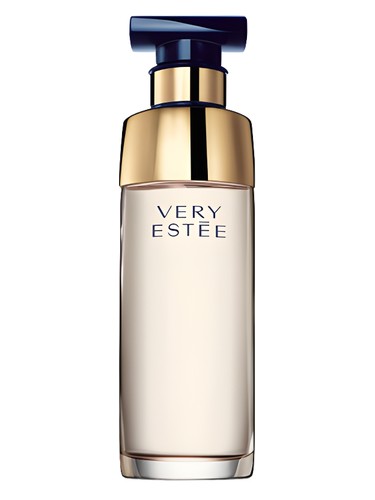
The first spray of Very Estée announces itself with the confidence its name suggests—this is not a fragrance for wallflowers. A bright burst of freesia and cassis cuts through the air, tempered by the aquatic coolness of lotus and a gentle prickle of pink pepper. It''s an opening that feels simultaneously fresh and opulent, like stepping into a conservatory where dewdrops still cling to petals but the sun has already warmed the glass. There''s an immediate sense that this composition is building toward something grander, and that initial impression doesn''t mislead.
The Scent Profile
The architecture of Very Estée reveals itself in layers that feel both deliberate and seamless. Those opening notes—freesia''s green soapiness, cassis''s tart-sweet berry quality, lotus''s watery transparency, and pink pepper''s gentle heat—create a luminous veil that lasts perhaps twenty minutes before the heart reveals its true intentions.
And what a heart it is. Bulgarian rose takes center stage with an almost theatrical presence, supported by a chorus of rose petals that amplify the classic rosy character without veering into grandmother''s vanity territory. This is rose reimagined for contemporary tastes, bolstered by gardenia''s creamy indole richness and jasmine''s honeyed sweetness. The white floral accord (registering at 57% in the composition''s DNA) adds complexity without overwhelming the rose-forward character. This middle phase is where Very Estée truly lives up to its dominant floral accord—a full 100%—creating a bouquet that feels both lush and surprisingly wearable.
The transition to the base is where subtlety finally enters the conversation. Musk provides that skin-like softness that modern fragrances depend upon, while cashmere wood lives up to its name with a plush, almost textile quality. Cedar and sandalwood bring woody depth (63% woody accord) that grounds all that floral exuberance, preventing it from floating away into abstraction. The woods here aren''t sharp or austere; they''re warmed and softened, creating a foundation that feels like luxury lingerie—present, supportive, but never the main attraction.
Character & Occasion
Very Estée occupies an interesting position in the wardrobe. The data suggests it performs equally across all seasons, and there''s truth in that versatility. The floral intensity might seem spring-appropriate, but the woody-musky base provides enough warmth for cooler months, while the fresh opening notes keep it from feeling heavy in summer heat. This is a fragrance that adapts to temperature rather than fighting against it.
The absence of strong day or night preferences in community wear patterns speaks to its chameleonic nature. It''s formal enough for professional settings where you want to project polished femininity, yet approachable enough for weekend wear. This is the fragrance for someone who appreciates traditional florals but wants them filtered through a contemporary lens—roses and jasmine, yes, but roses and jasmine that understand restraint is sometimes overrated.
The 53% musky accord and 36% soft spicy elements add just enough complexity to keep Very Estée from reading as purely innocent or sweet. There''s a knowing quality here, a fragrance for women who''ve moved past experimentation and know what they like: femininity without apology, florals without fussiness.
Community Verdict
With a rating of 3.82 out of 5 based on 812 votes, Very Estée sits comfortably in the "well-liked" category rather than "universally beloved." This is revealing. The score suggests a fragrance that resonates strongly with its target audience while acknowledging it won''t be everyone''s cup of tea. That near-4-star rating from over 800 reviewers indicates consistency—this is a fragrance that delivers on its promise, even if that promise isn''t revolutionary. The solid vote count also suggests staying power in the market; this isn''t a forgotten flanker but a composition that continues to find its people nearly a dozen years after its 2012 launch.
How It Compares
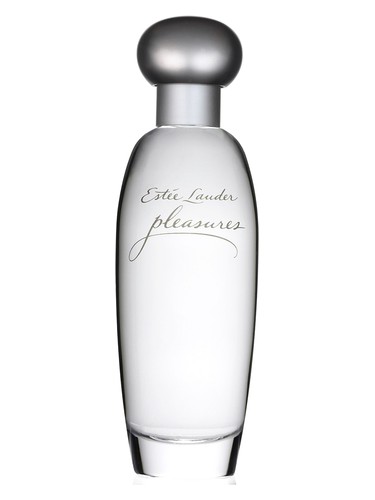
The list of similar fragrances reads like a who''s-who of modern floral classics: Pleasures by Estée Lauder, Narciso Rodriguez For Her, Guerlain''s Champs Elysees, Dior''s J''adore, and Chanel''s Chance Eau Tendre. Very Estée holds its own in this company, particularly when compared to its stablemate Pleasures. Where Pleasures leans fresh and almost aquatic, Very Estée embraces richer, more traditionally romantic florals. Against Narciso Rodriguez For Her''s musky minimalism, Very Estée feels maximalist and unabashedly pretty. It''s perhaps closest in spirit to J''adore''s floral opulence, though with more prominent woods and less of that champagne-bubble sparkle.
The Bottom Line
Very Estée succeeds at exactly what it sets out to do: deliver a generous, full-bodied floral experience with enough woody-musky sophistication to keep it firmly in the 21st century. That 3.82 rating shouldn''t be dismissed—it represents a fragrance that satisfies its audience consistently, even if it doesn''t inspire cult devotion. For those who love rose-centric compositions but find many modern interpretations too thin or too niche, Very Estée offers substance and presence.
The value proposition is strong, particularly given Estée Lauder''s accessible price points compared to the similar fragrances listed. This is a safe blind buy for anyone who gravitates toward the floral-woody category and appreciates Bulgarian rose as a central player. It won''t challenge you or surprise you six months in, but sometimes reliability is exactly what a fragrance wardrobe needs. Very Estée is the dependable friend who always shows up looking polished—and there''s considerable worth in that consistency.
AI-generated editorial review