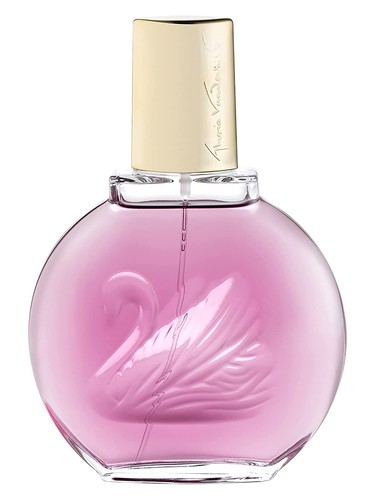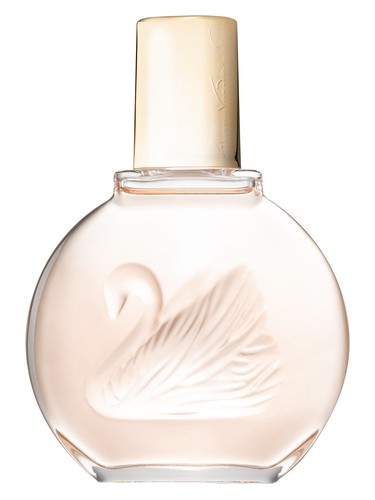
First Impressions
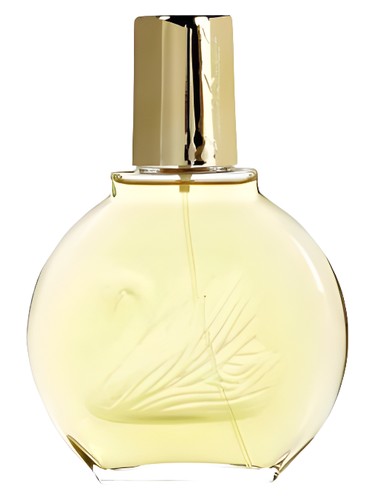
The first spray of Vanderbilt transports you directly to 1982, when aldehydes still reigned supreme and white florals announced a woman''s entrance with unapologetic grandeur. But this isn''t the nuclear-strength powerhouse you might expect from its era. Instead, Vanderbilt opens with a sparkling, effervescent quality—those aldehydes dancing alongside unexpected pineapple and a crisp bergamot citrus bite. There''s a green freshness cutting through the composition, tempering what could have been an overwhelming orange blossom explosion. A whisper of lavender adds an almost fougère-like complexity, creating an opening that feels both classically structured and surprisingly wearable by contemporary standards.
The Scent Profile
The evolution of Vanderbilt tells the story of restrained opulence. That aldehydic-fruit-green opening gives way within minutes to reveal the fragrance''s true heart: a white floral bouquet that earns its 100% accord rating. Tuberose and ylang-ylang form the creamy, narcotic core, while carnation adds a spicy, slightly soapy texture that was ubiquitous in 1980s compositions. Jasmine and rose provide supporting roles rather than starring turns, and the orris root contributes a soft, powdery iris quality that begins hinting at the drydown to come.
This heart phase is where Vanderbilt shows its heritage most clearly—it''s unabashedly floral, confidently femme, and utterly unconcerned with modern minimalism. Yet there''s a warmth beginning to emerge, that 85% warm spicy accord making itself known through what must be the cinnamon starting its slow ascent from the base.
The drydown is where Vanderbilt earns its reputation for wearability. Vanilla and sandalwood create a sweet, woody foundation (explaining those 82% sweet and 79% woody accord ratings), while cinnamon adds genuine spice rather than synthetic sweetness. Opoponax brings a resinous, balsamic depth, and the combination of musk, civet, and vetiver creates an animalic-earthy foundation that keeps the composition from floating away into pure powder, though that 71% powdery accord does leave a soft, talc-like finish on the skin.
Character & Occasion
Vanderbilt occupies an interesting temporal space—it''s rated for all seasons, which typically suggests a fragrance has found that elusive middle ground between distinctive and versatile. The white floral dominance might suggest summer, but those warm spicy base notes carry enough weight for cooler weather. This is a fragrance that adapts rather than dominates, which explains both its longevity in the market and its lack of passionate devotees.
The data shows 0% preference for either day or night wear, a statistical anomaly that speaks volumes: this is a fragrance that operates in the comfortable middle, appropriate for office settings, daytime events, and casual evening occasions without particularly excelling at any of them. It''s the olfactory equivalent of a well-tailored blazer—always appropriate, never inappropriate, but unlikely to stop traffic.
Community Verdict
The Reddit fragrance community''s response to Vanderbilt scores a middling 5.5 out of 10 in sentiment, and the discussion reveals telling patterns. Based on 40 opinions, the fragrance earns respect as a "classic, timeless fragrance from the 1980s-90s era" with an "affordable price point for a designer fragrance" and a "wearable and inoffensive scent profile." These are the compliments of practicality, not passion.
The cons are more about absence than presence: "limited discussion and minimal community enthusiasm," with the fragrance being "overshadowed by more popular designer fragrances in conversations." One user mentioned it as a personal repurchase staple—the highest praise being reliability—while another expressed only lukewarm interest after acquiring it. The community consensus positions Vanderbilt as recommended for "everyday wear, office settings, and vintage fragrance enthusiasts," which is perhaps the most diplomatic way of saying it won''t offend your coworkers or empty your wallet.
The 3.72 rating from 5,134 votes on the broader platform tells a similar story: thousands have tried it, most found it pleasant enough, but few were moved to evangelical enthusiasm.
How It Compares
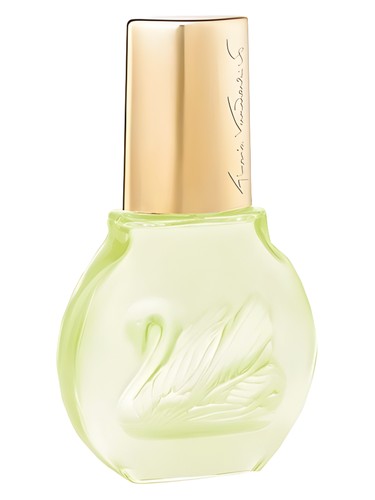
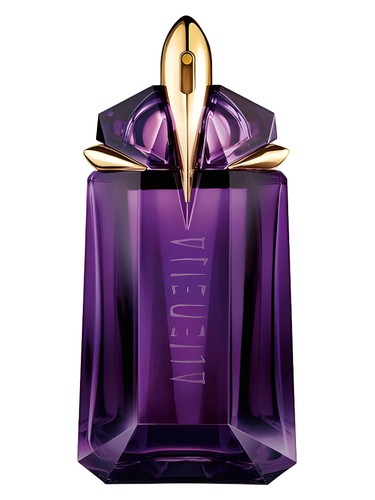
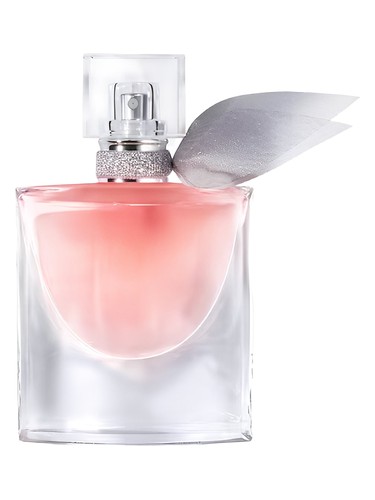
The listed similar fragrances reveal Vanderbilt''s positioning in the white floral pantheon. Amarige by Givenchy and Poème by Lancôme are its louder, more expensive cousins—same family, more projection. Elizabeth Arden''s 5th Avenue occupies similar territory at a comparable price point, while Samsara and Dune represent the luxury end of this aldehydic-floral spectrum. Vanderbilt is the accessible entry point to this style, delivering recognizable DNA without the prestige pricing or performance.
The Bottom Line
Vanderbilt by Gloria Vanderbilt is a fragrance that succeeds modestly at its apparent goal: providing a wearable, classically structured white floral at a price point that makes it a risk-free exploration of 1980s perfumery. That 3.72 rating reflects honest assessment—it''s objectively pleasant, technically well-composed, and genuinely inoffensive.
Should you seek it out? If you''re curious about vintage white florals without investing in Chanel or Guerlain, absolutely. If you need a reliable office scent that won''t provoke comments (positive or negative), it''s a sensible choice. If you''re hoping to discover a hidden gem that will become your signature or an underrated masterpiece that deserves cult status, you''ll likely be disappointed.
Vanderbilt is what it is: a competent, affordable, utterly safe white floral that whispers its presence rather than announcing it. In an era of niche fragrances commanding triple-digit prices and synthetic aromachemicals dominating department store counters, there''s something quietly admirable about that restraint—even if it doesn''t inspire poetry.
AI-generated editorial review