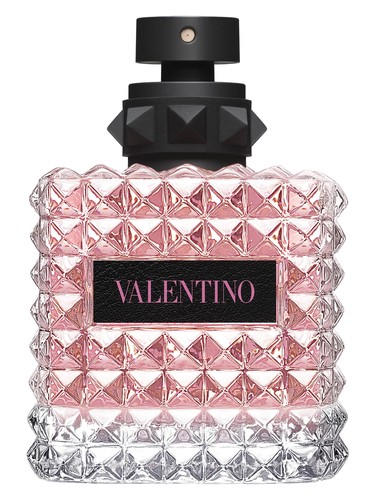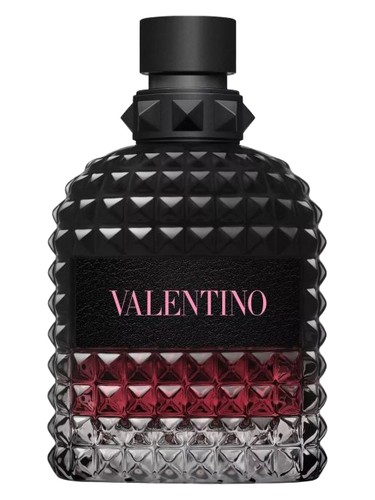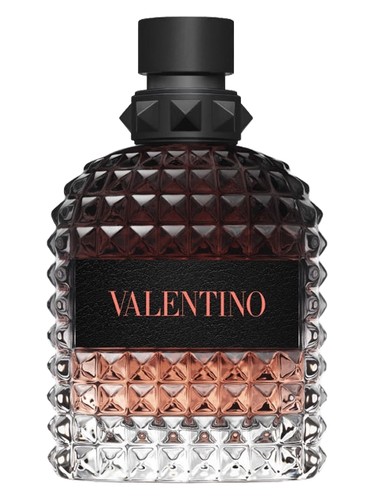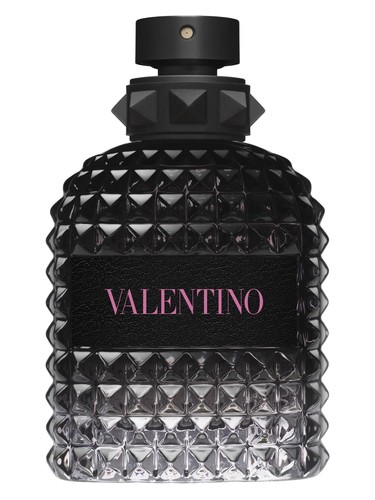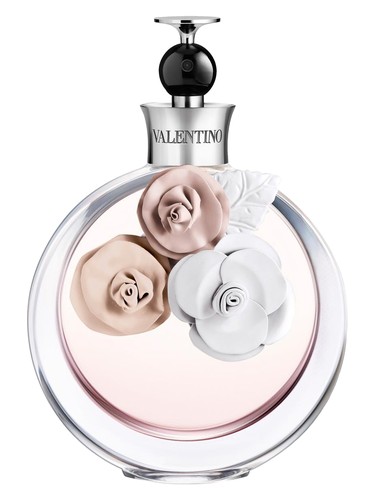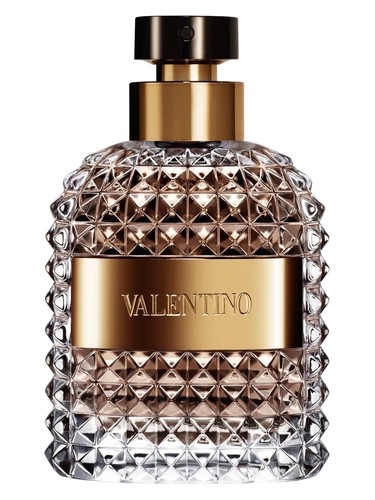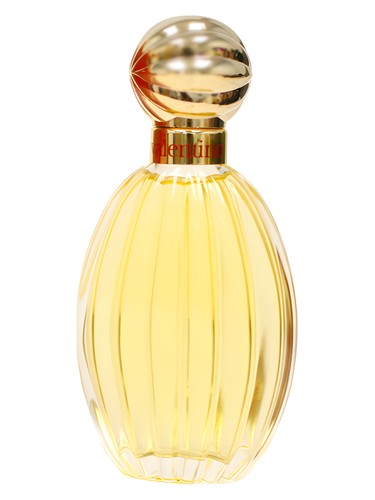
First Impressions
The first spray of Valentino''s 1978 signature fragrance is like stepping into an Italian garden at dawn, when dew still clings to basil leaves and the air hums with possibility. This is green with a capital G—not the sharp, synthetic green of modern aquatics, but the living, breathing verdancy of crushed stems and citrus peel. Peach adds an unexpected whisper of sweetness, while basil brings an aromatic complexity that keeps the opening from veering into simple fruit cocktail territory. The lemon provides just enough brightness to make everything sparkle. Within moments, you understand why this fragrance earned a 4.28 out of 5 rating from over 400 voters: it announces itself with confidence but never aggression.
The Scent Profile
The evolution of Valentino unfolds like a classical composition, each movement distinct yet harmoniously connected. Those opening green notes—registering at a perfect 100% in the accord analysis—set the stage with their crisp, almost chypre-like character. The peach and basil combination feels daringly unconventional even today, a gourmand hint decades before gourmands dominated the market.
As the fragrance settles into its heart, a magnificent floral bouquet emerges, scoring 96% on the floral accord scale. This is where Valentino reveals its true lineage as a late-70s prestige perfume. Hyacinth and lily-of-the-valley provide a green-white foundation, their natural freshness extending the opening''s verdant theme. Jasmine and rose add classical elegance, while cyclamen contributes a subtle pepperiness and carnation brings that distinctive fresh-spicy quality (46% on the accord meter). The white floral character reaches 67%, creating a luminous quality that feels both sophisticated and approachable.
The base is where Valentino shows its vintage bones—and this is entirely complimentary. Oakmoss provides that essential chypre structure, grounding all that greenery in earthy sophistication. Musk and civet add animalic warmth and longevity, while cedar contributes woody depth. This foundation explains the community''s praise for "excellent longevity and performance"—these are ingredients built to last.
Character & Occasion
The data tells a clear story: Valentino is a spring fragrance first and foremost (100% seasonal rating), and it earns that designation honestly. This is perfume for renewal, for optimism, for the season when everything comes back to life. But its versatility shows in the respectable ratings for summer (57%), fall (56%), and even winter (45%). That green-floral balance adapts beautifully across changing weather.
The day/night breakdown reveals another truth: this is quintessentially daytime perfume (100%), though it holds its own in evening settings (56%). Picture it at garden parties, business lunches, weekend brunches, art gallery openings. The fresh-spicy notes (46%) and rose character (44%) provide enough complexity for professional settings, while the green freshness (46% fresh accord) keeps it appropriate for casual encounters.
As a 1978 feminine fragrance, Valentino was created in an era before gender-neutral marketing, yet the community notes it "works across gender presentations"—testament to its quality construction and balanced composition. Anyone who appreciates green florals with proper depth will find something to love here.
Community Verdict
The r/fragrance community''s 7.5 out of 10 sentiment score reflects genuine appreciation tempered with realism. Based on 40 opinions, users consistently highlight the fragrance''s "excellent longevity and performance" and note that it "ages well over time without degrading"—crucial for anyone considering vintage bottles or long-term ownership.
The praise for versatility appears repeatedly, with users recommending it for "everyday casual wear" and "office and professional settings." Its clean, fresh character with powdery undertones makes it ideal for "those seeking fresh, clean fragrances" and even for "layering and collection building."
The cons are worth noting. Some mention that "formula may vary between batches and production years"—an inevitable reality with fragrances approaching their 50th anniversary. There''s also acknowledgment that certain flankers have been discontinued, though this original appears to remain available. A few find it "overly sweet," likely reacting to that peachy opening, though this seems a minority position.
How It Comparisons
Valentino sits comfortably among the green floral elite of its era. The comparisons to Anais Anais by Cacharel and Fidji by Guy Laroche are apt—all three capture that fresh, innocent-yet-sophisticated vibe that defined late-70s and early-80s femininity. First by Van Cleef & Arpels and Paris by YSL offer similar classical elegance, while Paloma Picasso by Paloma Picasso shares that bold, unapologetic character.
What distinguishes Valentino is that basil note—an ingredient that adds herbal complexity without tipping into culinary territory. Where Anais Anais leans sweeter and Fidji more tropical, Valentino maintains a distinctly European, almost Mediterranean, character.
The Bottom Line
At 4.28 out of 5 stars from over 400 voters, Valentino punches well above its vintage status. This isn''t a museum piece requiring reverent handling; it''s a living, breathing fragrance that still has something to say nearly five decades after its debut.
Should you seek it out? Absolutely, if you appreciate green florals with genuine complexity, or if you''re curious about what sophisticated femininity smelled like before focus groups smoothed away every edge. The community''s praise for its longevity and aging stability means vintage bottles can still perform beautifully—just be prepared for possible batch variation.
This is fragrance for the spring-minded, the garden-lovers, the professionals who want freshness with substance. At its heart, Valentino remains what it was in 1978: proof that green doesn''t mean simple, and classic never goes out of style.
AI-generated editorial review