First Impressions
The first spray of Nishane''s Tuberoza announces itself with zero apology. There''s an immediate brightness—ylang-ylang and orange blossom intertwining with the sharp, herbaceous bite of artemisia—that signals this is not your polite, demure white floral. The sweet orange adds a citric sparkle, but it''s quickly consumed by what''s coming: a tidal wave of tuberose that doesn''t wait for permission. This is the olfactory equivalent of walking into a room and commanding it, the fragrance of someone who doesn''t particularly care if you''re ready for them or not.
Released in 2014 as part of the Turkish brand''s assertion into the niche market, Tuberoza makes clear that Nishane understands white florals aren''t about delicacy—they''re about power. From the opening moments, you''re either captivated or overwhelmed, and that binary reaction seems entirely intentional.
The Scent Profile
The top notes fade faster than you''d expect, though their influence lingers. That artemisia—a note often found in masculine fragrances—creates an aromatic backbone (registering at 30% in the accord profile) that prevents the composition from becoming too saccharine. The sweet orange and ylang-ylang create a creamy, almost tropical introduction, but they''re merely the opening act.
The heart is where Tuberoza reveals its true nature. Tuberose dominates at 45% of the accord profile, joined by gardenia, jasmine, and an unexpected marigold. This isn''t the green, photorealistic tuberose of a botanical study. It''s heady, indolic, and leans into the flower''s naturally animalic character (28% animalic accord). The gardenia adds a creamy lactonic quality, while jasmine brings its own dose of indole-rich intensity. That marigold note is particularly interesting—it adds a slightly bitter, earthy facet that grounds what could otherwise become oppressively lush.
The sweetness (28% sweet accord) never becomes cloying because of the aromatic and woody elements threading through. As the fragrance settles into its base, vetiver introduces an earthy, slightly smoky quality that contrasts beautifully with amber''s warmth. Sandalwood provides a creamy woodiness, while musk adds that skin-like intimacy that makes the entire composition feel less like you''re wearing flowers and more like the flowers are wearing you.
The evolution is less about dramatic transformation and more about gradual revelation—the white floral dominance (100% white floral accord) remains constant, but the supporting players shift in prominence, creating a fragrance that maintains interest across hours of wear.
Character & Occasion
The data reveals Tuberoza as supremely versatile across seasons, performing best in spring (100%) but translating remarkably well to fall (80%) and summer (77%). This makes sense—the composition has enough brightness for warm weather but sufficient depth and woody warmth for cooler months. Winter (48%) is its weakest season, where perhaps the floral intensity needs more surrounding heft to anchor itself.
The day/night split is telling: 94% day versus 64% night. Despite the community''s association with evening glamour and "rich auntie" vibes, the fragrance''s brightness and aromatic quality make it surprisingly wearable during daylight hours. This is a fragrance for someone confident enough to wear a statement scent to brunch, not just cocktails.
Who is this for? Someone who doesn''t flinch at attention. The feminine classification feels accurate not because of gender restrictions but because Tuberoza leans into floral intensity without the balance points typically added for broader appeal. It''s for the person who wants their fragrance to precede them into a room and linger after they''ve left.
Community Verdict
The Reddit r/fragrance community''s relationship with Tuberoza is complicated, reflected in a middling sentiment score of 6.5/10 based on 49 opinions. The limited discussion is itself revealing—this isn''t a fragrance that inspires lengthy debate or frequent recommendations. It appeared notably in just one significant conversation, described as a "rich auntie" choice that embodies bold, glamorous confidence with a carefree attitude.
The pros identified by the community are specific: it''s bold, confident, perfect for making a statement and suitable for glamorous occasions. These aren''t universal virtues—they''re qualities that appeal to a specific sensibility.
The cons are equally telling. It''s "very niche and not universally appreciated," with minimal discussion compared to classic alternatives and limited consensus on performance. When the community discusses similar occasions or aesthetics, they gravitate toward established classics like Shalimar, Chanel No. 5, and Opium. Tuberoza remains an outlier choice, the option for someone specifically seeking something less conventional.
This lack of enthusiastic community support isn''t necessarily damning—it suggests Tuberoza succeeds at being what it is: a polarizing, unapologetic fragrance that won''t be everyone''s choice and doesn''t try to be.
How It Compares
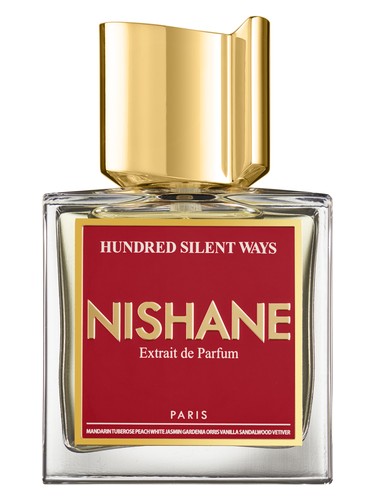
The similar fragrances listed place Tuberoza in elevated company: Nasomatto''s Narcotic Venus, Nishane''s own Hundred Silent Ways, Mugler''s Alien, By Kilian''s Love Don''t Be Shy, and Frédéric Malle''s Carnal Flower. What''s notable is that each of these pushes boundaries in its own way—whether through intensity, unconventionality, or sheer presence.
Against Carnal Flower''s photorealistic tuberose or Narcotic Venus''s narcotic intensity, Tuberoza occupies a middle ground: bold but not shocking, complex but not deliberately challenging. It''s perhaps less conceptual than its comparisons, more straightforward in its white floral worship.
The Bottom Line
With a rating of 4.02/5 from 1,117 votes, Tuberoza earns solid if not spectacular marks. This is a fragrance that delivers exactly what it promises: uncompromising white floral beauty with enough complexity to maintain interest. The disconnect between its respectable rating and limited community discussion suggests it''s well-executed but not conversation-starting—a fragrance people appreciate when they try it but don''t necessarily seek out or evangelize.
Who should try this? Anyone craving a white floral with backbone, someone tired of safe, crowd-pleasing florals, or those who identify with that "rich auntie" confidence the community described. Skip it if you prefer subtle, if indolic flowers make you queasy, or if you need universal approval from everyone within scent range.
Tuberoza won''t be the most-discussed fragrance you own, but for those bold enough to wear it, it might be one of the most satisfying.
AI-generated editorial review