First Impressions
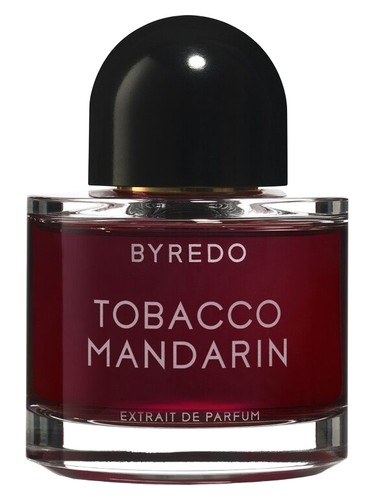
The first spray of Tobacco Mandarin delivers something unexpected: sunshine filtered through a haze of smoke. Where most tobacco fragrances lean into darkness—think leather armchairs and bourbon-soaked evenings—Byredo''s 2020 creation opens with a burst of mandarin orange that feels almost cheerful. The cumin and coriander add an earthy warmth that keeps the citrus grounded, preventing it from veering into conventional freshness. This is tobacco reimagined, not as a moody supporting player but as the star of a fragrance that somehow manages to feel both intimate and bright. It''s an introduction that signals intent: this won''t be your typical tobacco scent.
The Scent Profile
The opening act is dominated by that curious trinity of cumin, mandarin orange, and coriander—a combination that reads as 100% fresh spicy on paper and delivers exactly that in practice. The mandarin provides a juicy, slightly tart brightness that immediately distinguishes this from the heavy-handed tobacco compositions that dominate the market. The cumin adds an unexpected earthiness, almost savory, while coriander lends a green, herbaceous quality that keeps the top notes from feeling one-dimensional.
As Tobacco Mandarin settles into its heart, the titular tobacco emerges alongside leather and labdanum. This is where the composition reveals its true character—the tobacco note is present (registering at 96% in the accord breakdown) but never overwhelming. It''s softened by the resinous sweetness of labdanum and given structure by a subtle leather accord that adds texture without turning the scent overly masculine. The balance here is remarkable: the tobacco feels integrated rather than imposed, woven into the fabric of the fragrance rather than sitting on top of it.
The base brings in the heavy hitters: olibanum (frankincense), agarwood, and sandalwood. Together, they create an amber-woody foundation (84% amber, 61% woody) that gives the fragrance its staying power and depth. The oud is restrained—this isn''t an oud showcase—but it adds a dark, resinous quality that grounds the brighter elements above. Sandalwood provides creamy smoothness, while the frankincense contributes an almost spiritual, incense-like quality that lingers on the skin long after the citrus has faded.
Character & Occasion
Byredo marketed this as a feminine fragrance, and there''s something genuinely progressive about that choice. Tobacco fragrances have long been coded masculine, but Tobacco Mandarin challenges that assumption without feeling like it''s trying too hard. The balance of fresh spice and bright citrus (65%) against the tobacco and woody base creates something genuinely versatile—appropriate for all seasons according to user data, though the amber and woody elements suggest it truly shines in cooler weather.
The day/night data shows an unusual 0%/0% split, which likely reflects its discontinued status rather than actual wearing patterns. In practice, this is a fragrance that works beautifully for daytime wear when you want something interesting without being overwhelming. It''s office-appropriate but distinctive, polished but not corporate. The projection is reportedly strong enough to make an impression without announcing your arrival from three rooms away.
This is particularly well-suited for those who find traditional tobacco fragrances too heavy or cloying. The citrus element keeps things lively, making it more approachable for sensitive noses—a recurring theme in community feedback.
Community Verdict
With a 3.82 out of 5 rating from 1,244 voters and a community sentiment score of 7.2 out of 10, Tobacco Mandarin occupies an interesting middle ground. The affection is real, but it''s complicated.
The praise centers on its unique citrus-tobacco combination, which users consistently describe as distinctive and well-balanced. The performance draws positive marks—longevity and projection both exceed expectations for those who managed to experience the original formulation. Perhaps most tellingly, multiple users mention it works particularly well for sensitive noses, an unusual compliment for a fragrance built around such typically bold notes.
But here''s where the story gets messy: Tobacco Mandarin has been discontinued, and the community is not happy about it. Worse still, reports suggest that later batches before discontinuation showed signs of reformulation, with reduced potency that disappointed longtime fans. It''s now relegated to discounters where available, and finding it at all has become a treasure hunt. The difficulty in sourcing means fewer people can experience it, and those who loved it are left hunting for alternatives that don''t quite scratch the same itch.
How It Compares
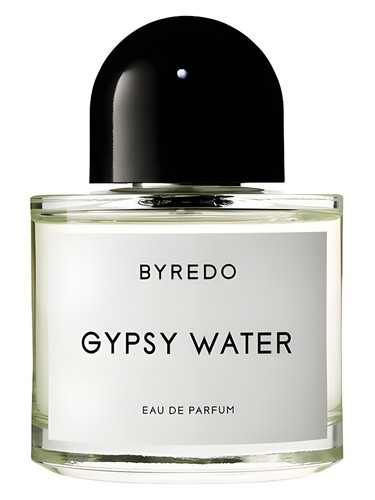
The similar fragrances list reads like a who''s who of niche heavyweights: Baccarat Rouge 540, Black Afgano, Gypsy Water, Oud Wood, Jazz Club. What''s interesting is how different Tobacco Mandarin actually is from these comparisons. It shares DNA with Jazz Club''s tobacco focus and Oud Wood''s woody sophistication, but the bright citrus opening sets it apart. Community members note that finding true comparables is challenging—it occupied its own niche within the tobacco category, which perhaps explains why its discontinuation sparked such disappointment.
The Bottom Line
Tobacco Mandarin represents both Byredo''s creative ambition and a cautionary tale about the fragrance industry''s disposable approach to perfectly good scents. At 3.82 stars, it''s well-liked but not universally adored—yet those who connected with it seem genuinely bereft at its disappearance.
Should you seek it out? If you love tobacco fragrances but wish they were more wearable, if you have a sensitive nose that rebels against heavy orientals, or if you simply want something different in the tobacco category, yes—but know what you''re getting into. Batches vary, reformulation is real, and you''re gambling on discounter stock of unknown provenance.
For those lucky enough to find an original formulation bottle, Tobacco Mandarin offers something genuinely unusual: a tobacco fragrance that feels alive rather than embalmed, bright rather than brooding. It proved that tobacco didn''t need to be dark to be interesting. That it''s no longer in production feels like a missed opportunity—but perhaps that scarcity is precisely what makes each remaining bottle worth the hunt.
AI-generated editorial review