First Impressions
The first spray of Tiffany is like stepping into the flagship store on a crisp autumn morning—refined, confident, and unmistakably luxurious. Black currant and mandarin orange open with a bright, citrus-kissed introduction that feels both fresh and deliberately restrained. There''s nothing brash here; instead, the opening whispers rather than shouts, setting the stage for a fragrance that understands the difference between presence and performance. Within moments, you sense the complexity waiting beneath: a white floral composition with woody underpinnings that promises sophistication without the weight of traditional chypres or orientals.
The Scent Profile
The heart of Tiffany unfolds like a meticulously arranged bouquet, where each bloom has its designated place yet contributes to a harmonious whole. Taif rose takes center stage alongside ylang-ylang and African orange flower, creating a triumvirate of white and yellow florals that manages to feel both opulent and airy. The iris and jasmine add a cool, slightly green quality, while violet leaf introduces a subtle earthiness that keeps the composition grounded. Lily-of-the-valley weaves through it all with its characteristic fresh-laundry cleanliness, contributing to what many describe as that "fresh, clean, and sophisticated scent profile."
The powdery accord—registering at 65% according to its profile—becomes increasingly apparent as the fragrance settles. This isn''t the suffocating powder of dated perfumes; rather, it''s a soft-focus effect that blurs the edges of the florals without obscuring their individual characters. The rose accord (52%) maintains its presence throughout the wear, never dominating but consistently reminding you of its quality.
As Tiffany moves into its base, the woody accord—maxing out at 100%—finally reveals why this fragrance has such remarkable structure. Sandalwood provides creamy warmth, while vetiver adds a sophisticated, slightly smoky dryness. Amber and vanilla round out the foundation with gentle sweetness and depth, creating a finish that''s recognizably feminine but far from saccharine. This base explains why Tiffany wears so well in cooler weather and transitions seamlessly from boardroom to evening engagement.
Character & Occasion
Tiffany is decidedly a fragrance for the transitional seasons and beyond. The data speaks clearly: fall leads at 88%, with winter close behind at 82%. Spring registers at 68%, while summer trails at 48%—and for good reason. This is a fragrance that needs a bit of cool air to truly shine, where its woody and floral elements can project without becoming cloying.
The day/night split is particularly telling: 91% day, 100% night. Tiffany possesses that rare quality of being entirely appropriate for professional daytime wear while maintaining enough presence and complexity for evening occasions. Community consensus strongly supports this versatility, with users specifically praising it for "office and professional environments" as well as "formal dinners and elegant events."
This is a fragrance for someone who appreciates quiet luxury—the person who understands that a simple strand of pearls can say more than a statement necklace. It''s particularly well-suited to those who need one signature scent that can navigate multiple contexts without ever feeling out of place. The 1987 launch date places it firmly in the era of power dressing and shoulder pads, yet the composition has aged with surprising grace.
Community Verdict
The Reddit fragrance community awards Tiffany a positive sentiment score of 7.5 out of 10, supported by 23 opinions and an overall rating of 4.19 out of 5 stars from 423 votes. This consistency across platforms suggests a fragrance with genuine appeal rather than cult status based on nostalgia alone.
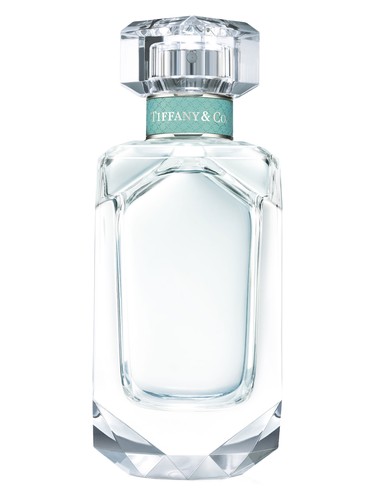
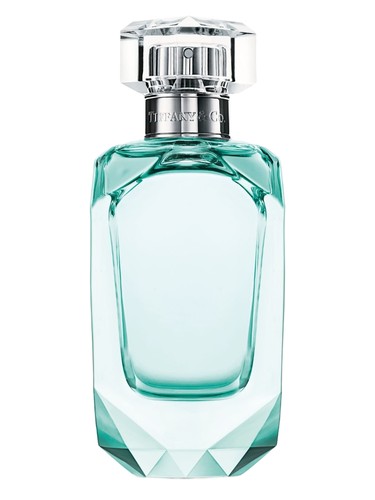
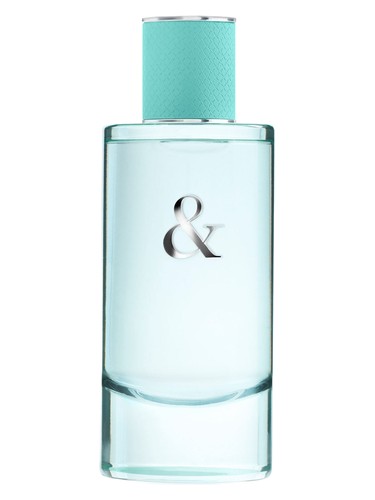
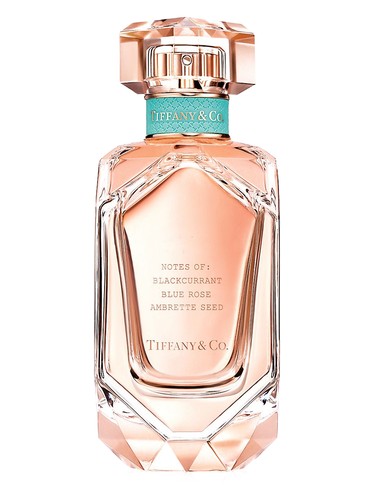
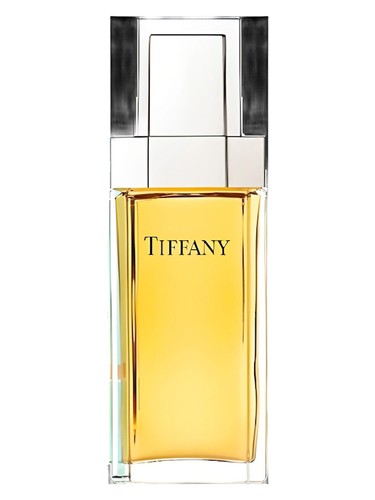
Users consistently praise its "fresh, clean, and sophisticated scent profile" and the "beautiful, iconic Tiffany blue bottle design." The latter point shouldn''t be dismissed—packaging matters, and that blue box has cultural cache that enhances the wearing experience. Practical wearers appreciate its versatility for professional and formal settings, noting it strikes the right balance for workplace appropriateness.
The cons reveal the complications of a fragrance with this history. Longevity proves divisive: some users report decent performance when applied to "inner elbows" or with layering techniques, while others struggle with staying power. A few sensitive wearers find it "too strong or overwhelming," though this appears to be a minority view. The most significant issue centers on reformulation: the "original formula discontinued, newer versions don''t match the beloved original." This is the perennial challenge with fragrances of this vintage—tracking down the version that captured hearts in 1987 versus settling for contemporary iterations.
How It Comparisons
Tiffany shares DNA with some of the most respected white florals in perfumery. The comparisons to 24 Faubourg by Hermès and Amarige by Givenchy place it firmly in the white floral powerhouse category, while links to Samsara Eau de Parfum by Guerlain and Poeme by Lancôme suggest the woody-oriental tendencies in its base. The Chanel No 5 Parfum comparison is the most telling—both fragrances understand that aldehydic brightness and floral richness can coexist with modern sensibilities.
Where Tiffany distinguishes itself is in its relative restraint compared to some of these more assertive compositions. It''s lighter than Amarige''s exuberance, less overtly oriental than Samsara, and more accessible than No 5''s abstract complexity.
The Bottom Line
At 4.19 out of 5 stars, Tiffany by Tiffany sits comfortably in the "very good" category without quite achieving "masterpiece" status. For those who can find the original formulation, it represents a time capsule of late 1980s sophistication—before "fresh" became synonymous with aquatics and "clean" meant laundry musks.
The reformulation concerns are legitimate and worth investigating before purchasing. Sample first if possible, particularly if you''re seeking to recapture a memory of the original. For those approaching it fresh, however, even current formulations offer a compelling white floral option that wears with more polish than many contemporary releases.
This is worth trying if you appreciate fragrances that prioritize elegance over innovation, or if your collection skews modern and you''re seeking something with more traditional structure. Just don''t expect room-filling projection—Tiffany prefers to draw admirers close rather than announce your arrival from across the room.
AI-generated editorial review