First Impressions
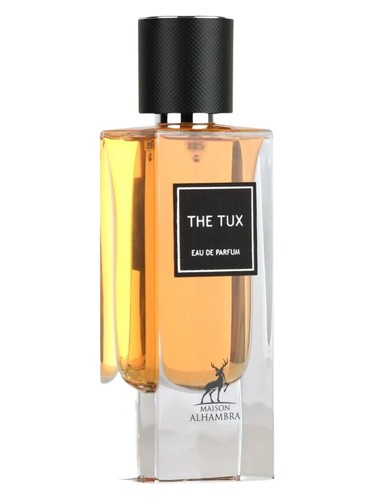
The first spray of The Tux announces itself with unapologetic confidence—a wave of dark patchouli wrapped in warm spices that feels distinctly masculine despite its feminine classification. This is a fragrance that wears like formalwear feels: structured, slightly rebellious, and decidedly evening-appropriate. The patchouli accord dominates at 100%, but it''s the sophisticated kind—earthy and resinous rather than headshop hippie. Within moments, warm spices swirl through at 91% intensity, creating an opening that''s both familiar and provocative. There''s an immediate sense that this perfume is playing with expectations, perhaps even thumbing its nose at convention.
The Scent Profile
Without specified notes to guide us, The Tux reveals itself through its accord structure—and what a revealing structure it is. The patchouli foundation isn''t just present; it''s architectural, creating a dark, earthy framework that everything else builds upon. This isn''t a delicate garden patchouli; it''s dense, almost tactile, the kind that leaves an impression on everything it touches.
The warm spicy accord at 91% weaves seamlessly through that patchouli base, likely bringing pepper, cardamom, or cinnamon-like qualities that add heat without sweetness. As the fragrance settles, vanilla emerges at 62%—substantial enough to soften those darker edges without turning gourmand. This is vanilla as supporting actor rather than lead, adding creaminess and roundness to what could otherwise be an austere composition.
The woody accord at 60% reinforces the masculine-leaning character, while amber at 53% provides warmth and subtle resinousness. Most intriguingly, there''s a floral accord at 41%—present enough to justify the feminine categorization, yet so expertly blended into the darker elements that it reads more as complexity than traditional florality. The overall impression is of a fragrance that evolves slowly, revealing layers over hours rather than minutes, with that commanding patchouli serving as the constant thread throughout.
Character & Occasion
The seasonal data tells a clear story: The Tux is a cold-weather companion through and through. With winter scoring 100% and fall close behind at 99%, this is unmistakably a fragrance for crisp air and long nights. Spring still manages 82%, suggesting it holds up during transitional weather, but summer''s mere 30% confirms what the nose already knows—this is too warm, too dense, too enveloping for genuine heat.
The day/night split is equally revealing: 66% day versus 98% night. While technically wearable during daylight hours, The Tux truly comes alive after dark. That patchouli-spice-vanilla combination feels most at home in dimly lit spaces, perhaps accompanying cocktails and conversation rather than spreadsheets and coffee runs. Despite the feminine classification, the accord profile suggests this could be magnificently unisex, appealing to anyone who appreciates darker, more assertive fragrances regardless of the label.
Community Verdict
With a strong 4.4 out of 5 rating from 1,053 votes, The Tux has clearly resonated—but the Reddit community''s sentiment score of 6.5/10 reveals the complexity beneath those numbers. The fragrance itself isn''t controversial; what surrounds it is.
The praise is substantial and specific: users consistently highlight the exceptional presentation and packaging quality, noting that the bottle and box feel far more premium than the $60-70 price point would suggest. Many report that The Tux accurately captures its inspiration''s scent profile while often delivering better longevity than designer originals—a particularly pointed observation that fuels the broader debate.
That debate centers on ethics. While some celebrate clones as justified pushback against excessive designer markups and declining performance from luxury brands, others maintain reservations about the practice itself, viewing it as counterfeiting dressed up with prettier language. The consensus seems to be that The Tux represents excellent value for budget-conscious buyers, particularly those wanting to test a scent profile before committing to a more expensive original, or those who simply want quality fragrance for everyday wear without the prestige tax.
The community identifies it as ideal for those who prioritize performance and scent over brand recognition—a growing segment that questions why they should pay premium prices when alternatives deliver comparable or superior results.
How It Compares
The similar fragrances list reads like a who''s-who of warm, spicy masculines: Asad by Lattafa Perfumes, Le Male Le Parfum by Jean Paul Gaultier, Détour Noir by Al Haramain Perfumes, Sauvage Elixir by Dior, and Layton by Parfums de Marly. This positioning firmly places The Tux in the category of dark, sophisticated, evening-appropriate scents that emphasize presence over subtlety. The comparison to both Middle Eastern houses (Lattafa, Al Haramain) and European luxury (JPG, Dior, Parfums de Marly) suggests a bridge between traditions—accessible pricing with ambitious olfactive goals.
The Bottom Line
The Tux isn''t just a fragrance; it''s a conversation starter about value, authenticity, and what luxury actually means in modern perfumery. At $60-70, it delivers a scent profile that punches well above its weight class, with performance that reportedly matches or exceeds fragrances costing three to five times more. That 4.4 rating from over a thousand voters isn''t accidental—people are genuinely pleased with what they''re getting.
But whether you should buy it depends on where you stand in the clone debate. If you believe fragrances should be evaluated purely on merit—scent, performance, price—The Tux is an easy recommendation for anyone drawn to dark, patchouli-forward compositions perfect for cold weather evenings. If brand heritage and originality matter deeply to you, the ethical questions may overshadow the olfactive excellence.
Perhaps the real verdict is this: The Tux''s existence and popularity forces the industry to confront uncomfortable questions about pricing, performance, and value. And in doing so, it''s earned its place at the table—even if some would prefer it sat at a different one.
AI-generated editorial review