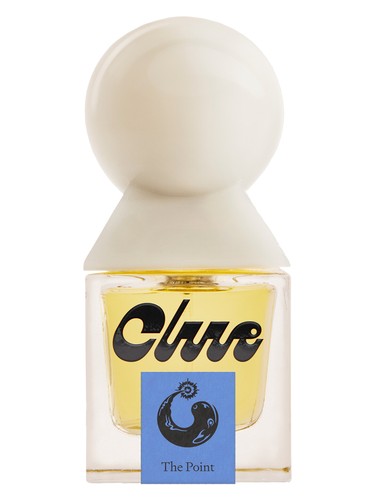
First Impressions
The first spray of The Point feels like standing at a promontory where earth crumbles into sea — that precise geographic moment where solid ground negotiates with endless water. There''s an immediate coolness, not the synthetic blast of aquatic notes that dominated early 2000s perfumery, but something more contemplative. Jasmine tea steams gently against smooth porcelain, while mineral notes suggest wet stone after rain. This opening doesn''t announce itself with fanfare; it whispers, asking you to lean closer. The porcelain note is particularly intriguing — less a scent than a textural impression of smooth, cool ceramic against fingertips.
The Scent Profile
The Point''s structure defies conventional perfume architecture, moving less like a pyramid and more like tidal progression.
Those opening moments of jasmine tea create an unusual entry point for a marine fragrance. The jasmine here isn''t the indolic, heady white flower of classic French perfumery, but something lighter, steeped and softened by hot water, carrying both floral sweetness and green astringency. The porcelain note — likely an abstract accord of clean aldehydes and iris-like powder — adds a smoothness that keeps the mineral elements from feeling harsh. These mineral notes bring to mind wet pebbles, granite cliffs, that particular smell of stone that''s been kissed by salt spray.
As The Point settles into its heart, sea water emerges with surprising subtlety. Rather than the aggressive ozonic blast many marine fragrances lean on, this feels like standing near the ocean rather than being submerged in it — you catch the brine on the breeze, taste salt on your lips. The honey here serves as a clever bridge, its golden viscosity tempering the aquatic elements while adding warmth. Most unexpected is the patchouli, which brings an earthy aromatic quality (reflected in that 59% aromatic accord) that grounds the composition, preventing it from drifting into pure abstraction.
The base is where The Point fully reveals its conceptual ambition. Sand and ambergris create a foundation that feels both literal and dreamlike. The sand accord — and that 63% sand accord prominence is notable — brings a dry, almost chalky texture, the ghost of silica and crushed shells. Ambergris, that legendary marine treasure, adds its characteristic salty-sweet marine warmth, oceanic but distinctly animal. Together, these base notes anchor the fragrance in the physical world of coastlines while maintaining an ethereal quality.
Character & Occasion
The Point occupies an interesting position in the wear-occasion spectrum. The data shows it as suitable for all seasons, which makes perfect sense given its mineral-marine character — this isn''t a heavy, weather-dependent composition. The balance between fresh elements (56%) and warmer base notes allows it to adapt across temperature ranges.
What''s particularly notable is that the community data shows zero preference for day or night wear. This speaks to The Point''s versatility, but also to its unique character. It''s neither a bright, office-appropriate day scent nor a seductive evening statement. Instead, it exists in that liminal space — perfect for late afternoon walks along windswept beaches, quiet gallery visits, contemplative mornings with a book and tea, or evening conversations that stretch toward midnight.
Marketed as feminine, The Point feels more accurately described as introspective. This is a fragrance for those drawn to atmospheric compositions over crowd-pleasers, for people who appreciate the smell of places as much as flowers or gourmands.
Community Verdict
With a rating of 3.89 out of 5 from 351 votes, The Point has earned respectable if not rapturous community reception. This solid score suggests a fragrance that rewards those who seek it out — the vote count indicates genuine interest, while the rating itself reflects a composition that connects deeply with its intended audience rather than attempting universal appeal.
That near-4-star rating is quite strong for a fragrance this conceptual. Marine scents can be polarizing, and The Point''s abstract nature — porcelain, sand, mineral notes — isn''t immediately accessible. The community has recognized something worthwhile here, even if it''s not love at first sniff for everyone.
How It Compares
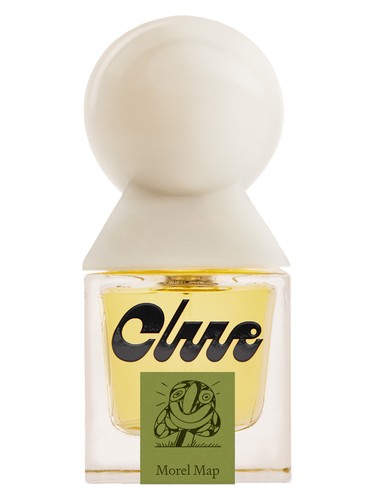
The Point finds itself in intriguing company. Its similarities to Nosferatu by Heretic Parfum and Steamed Rainbow by DS&Durga place it firmly in the artistic, concept-driven fragrance category. Like Morel Map (another Clue Perfumery creation), it demonstrates the brand''s commitment to narrative-driven, unconventional compositions. The connection to Lune Feline by Atelier des Ors and Gris Charnel by BDK Parfums is less obvious on paper but makes sense in texture — these are all fragrances that prioritize mood and atmosphere over traditional beauty.
Where The Point distinguishes itself is in that marine-mineral dominance. While many niche brands explore aquatic themes, few commit so thoroughly to the liminal space between elements.
The Bottom Line
The Point isn''t for everyone, and that''s precisely its strength. Clue Perfumery has created something genuinely distinctive — a marine fragrance that trades easy-wearing freshness for contemplative depth. The jasmine tea opening, that fascinating porcelain note, the sandy-saline base: these elements cohere into something both wearable and wonderfully strange.
At 3.89 stars, the community validation is there for those who might feel uncertain. This is a fragrance worth exploring if you''re drawn to atmospheric compositions, if you''ve exhausted traditional florals and woody ambers, if you want something that smells like a place rather than a perfume counter.
The Point rewards patience. Give it time on skin, wear it somewhere quiet where you can notice its shifts. It may not be your signature scent, but it occupies a space few fragrances dare to claim.
AI-generated editorial review