First Impressions
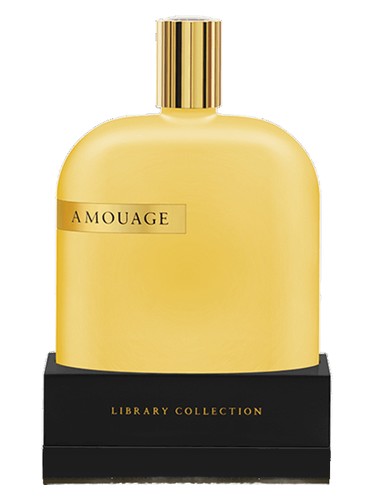
The first spray of The Library Collection Opus I announces itself with an unexpected contradiction: the warm bite of cardamom mingling with bitter orange''s citric edge, softened by the bruised sweetness of plum. This isn''t the typical champagne-fizz opening of a feminine fragrance. Instead, Amouage presents something more cerebral, more deliberate—a fragrance that asks you to lean in rather than broadcasting its presence across a room. Within moments, you sense the weight of what''s beneath: incense smoke curling through the top notes, a preview of the substantial woody architecture waiting in the wings. This is a fragrance that wears its "Library Collection" designation honestly, evoking the hushed reverence of rare manuscripts and polished wood shelving.
The Scent Profile
The evolution of Opus I reads like a carefully plotted narrative. Those opening notes—cardamom''s green spice, bitter orange''s sophisticated brightness, plum''s jammy depth—create an intriguing prologue that lasts perhaps twenty minutes before the heart begins its reveal.
And what a heart it is. The white floral bouquet emerges as a study in controlled opulence: ylang-ylang''s creamy banana-like richness, tuberose''s waxy narcotic quality, jasmine''s indolic sweetness, rose''s full-bodied elegance, and lily-of-the-valley''s delicate green transparency. These aren''t shy, watercolor florals. They''re rendered in oils and gilt, lush without tipping into cloying territory. The tuberose, in particular, anchors the composition with its characteristic creminess, while the lily-of-the-valley prevents the blend from becoming too heavy, too singular in its white floral ambitions.
But here''s where Opus I distinguishes itself from countless other floral fragrances: the base doesn''t simply support the florals—it eventually subsumes them. As the fragrance settles into its final act, a remarkable woody foundation takes command. Incense smoke weaves through papyrus and guaiac wood, creating an almost meditative quality. Tonka bean adds subtle sweetness and warmth, while sandalwood, vetiver, and Virginia cedar construct a framework that''s both grounding and elevating. This isn''t background noise; it''s the main event, transforming what began as a floral composition into something decidedly woody—hence that 100% woody accord rating that dominates the fragrance''s profile.
The interplay between warm spice (63%) and those dual floral accords (white floral and yellow floral, both at 63%) creates a dynamic tension that keeps Opus I from settling into predictability.
Character & Occasion
The data tells a clear story: this is autumn''s fragrance, receiving a perfect 100% seasonal match for fall wear. Spring follows at 71%, winter at 64%, making Opus I a three-season staple that only hesitates in summer''s full heat (46%). There''s wisdom in this distribution. The fragrance possesses enough warmth and complexity for cooler weather while maintaining sufficient brightness—that bitter orange, those florals—to translate into spring''s transitional temperatures.
The day/night breakdown proves particularly interesting: 98% day versus 65% night. This isn''t a bombshell evening scent, despite its sophisticated composition. Instead, Opus I excels as a statement fragrance for daytime occasions that demand polish and presence—gallery openings, business meetings where you want to be remembered, long lunches that stretch into afternoon. The incense and woods give it enough gravitas for evening wear, but the overall character leans contemplative rather than seductive.
Marketed as feminine, Opus I inhabits that increasingly common territory where gender designations feel almost arbitrary. Anyone drawn to substantial woody fragrances with floral facets will find something compelling here.
Community Verdict
With a rating of 3.96 out of 5 based on 793 votes, Opus I has earned solid appreciation from a substantial reviewer base. This isn''t a niche obscurity with twelve devoted fans; nearly 800 people have weighed in, and their consensus places it just shy of the 4.0 threshold that typically indicates "beloved" status. That near-4.0 rating suggests a fragrance that delivers on its promises without necessarily inspiring universal passion. It''s well-crafted, interesting, and worthy of attention—exactly what you''d want from the opening salvo in an experimental collection.
How It Compares
The similar fragrances list reads like a who''s-who of Amouage''s own catalogue: Ubar, Lyric Woman, Memoir Woman, and Opus III all appear alongside Tom Ford''s ubiquitous Black Orchid. This positioning makes sense. Opus I shares DNA with these complex, woods-forward compositions that refuse to be simple. Where Black Orchid leans gothic and overtly sensual, Opus I maintains more restraint. Compared to Lyric Woman''s rose-centric exuberance or Memoir Woman''s boozy intensity, Opus I feels more architectural, more about structure than emotion. It''s perhaps closest in spirit to Ubar, both fragrances demonstrating Amouage''s facility with marrying florals to substantial base accords.
The Bottom Line
The Library Collection Opus I deserves its near-4.0 rating. This is accomplished perfumery that successfully balances multiple ideas—white florals and woods, day-appropriate brightness and contemplative depth, feminine marketing and gender-transcendent appeal. Released in 2010, it remains relevant because it never chased trends; it established its own territory instead.
Is it for everyone? The rating suggests not quite. But for those drawn to fragrances that evolve meaningfully, that reward patience, and that refuse to choose between beauty and intellect, Opus I offers a compelling case. It''s particularly worth exploring if you''ve found typical floral fragrances too ephemeral or woody scents too severe. This is the bridge between those worlds, rendered with the technical excellence and quality materials Amouage consistently delivers.
Try before you buy, certainly—this is not an impulse-friendly fragrance—but do try it. Some stories only reveal their depths upon careful reading.
AI-generated editorial review