First Impressions
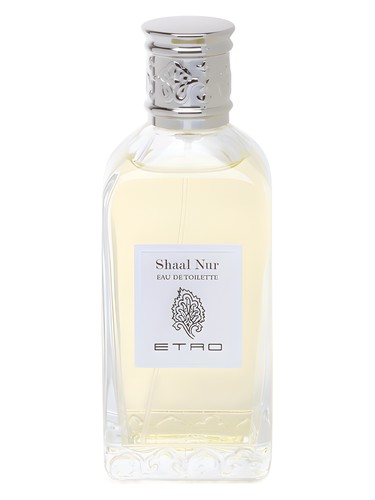
The first spray of Shaal Nur is an unapologetic declaration: this is not your typical feminine fragrance. A burst of citrus—bergamot, lemon, grapefruit, mandarin—flares bright for mere seconds before being swallowed whole by something far more intriguing. Brazilian rosewood lends an almost medicinal quality, while coriander adds its peculiar soapy-spice signature. This opening doesn''t seduce; it provokes. Within minutes, you realize you''re not wearing a perfume that wants to be liked immediately. It wants to be understood, eventually.
Etro released Shaal Nur in 1997, during an era when feminine fragrances tended toward sweetness and floral abundance. This composition went rogue, prioritizing aromatic herbs and incense smoke over conventional beauty. The name itself—believed to reference light or fire in Arabic—hints at the fragrance''s Middle Eastern inspiration, though it manifests as something altogether more austere than the typical spice-route fantasy.
The Scent Profile
The heart of Shaal Nur reveals its true character as an herbal composition bordering on savory. Rosemary, tarragon, and thyme create a kitchen-garden intensity that''s almost culinary in its authenticity. This isn''t rosemary as a delicate accent; it''s rosemary as protagonist, green and slightly camphoraceous, mingling with tarragon''s anise-like whisper. Petitgrain adds a bitter-green edge, while rose appears as barely more than a suggestion—enough to remind you this was ostensibly marketed as feminine, but too subtle to soften the aromatic assault.
The inclusion of karo karounde (also known as African sandalwood) adds an earthy, almost rooty quality that bridges these herbs toward the base. It''s here, in the transition from heart to base, that Shaal Nur performs its most interesting transformation.
The base is where Eastern influence becomes unmistakable. Incense arrives not as a sweet, churchy frankincense but as a dry, austere smoke that mingles with vetiver''s earthy bitterness and patchouli''s dark chocolate earthiness. Opoponax contributes a warm, slightly sweet balsamic quality that prevents the composition from becoming too stark, while nutmeg adds a subtle warmth. Cedar provides structure, and musk—likely synthetic given the era—offers a clean, skin-like quality that grounds everything to the wearer.
What''s remarkable is how the dominant aromatic accord (clocking in at a perfect 100% according to user perception) never fully dissipates. Even hours into wear, that herbal intensity persists beneath the incense and woods, creating a fragrance that smells simultaneously ancient and oddly modern—like a meditation room in a minimalist apartment.
Character & Occasion
The data tells a clear story: Shaal Nur is a fall fragrance first and foremost, with 92% of wearers choosing cooler weather for this composition. Winter follows at 59%, spring at 55%, with summer trailing at a modest 43%. This makes intuitive sense—the aromatic herbs and incense smoke would feel stifling in heat but come alive against crisp air and wool sweaters.
Curiously, while it scores 100% as a day fragrance, it still manages 51% for night wear. This dual nature speaks to Shaal Nur''s versatility despite its intensity. During daylight hours, the citrus and herbs read as invigorating and clean, almost professional. As evening approaches, that incense base emerges more prominently, adding a contemplative, mysterious quality suitable for dinner or cultural events.
Though marketed as feminine, Shaal Nur operates firmly in shared territory. The aromatic-woody-citrus profile skews traditionally masculine, making this an excellent choice for those who prefer androgynous or traditionally "masculine" compositions. It demands confidence—this isn''t a fragrance that will earn immediate compliments from strangers, but rather intrigued questions from those close enough to catch its smoky herbal trail.
Community Verdict
Here''s where things get interesting: the available Reddit community data reveals remarkably little substantive discussion about Shaal Nur itself. With a sentiment score of 5.5/10—perfectly neutral—and conversations that veer toward general niche fragrance shopping rather than specific reviews of this composition, Shaal Nur appears to occupy a curious position: appreciated by its 672 Fragrantica voters (who awarded it a respectable 4.1/5 rating) but not generating passionate discourse in fragrance communities.
This absence of heated debate might actually tell us something important. Shaal Nur isn''t controversial; it''s quietly respected. It lacks the polarizing qualities that generate endless threads of praise or criticism. It simply exists as a competent, well-constructed aromatic composition that appeals to a specific aesthetic—and leaves others completely unmoved.
How It Compares
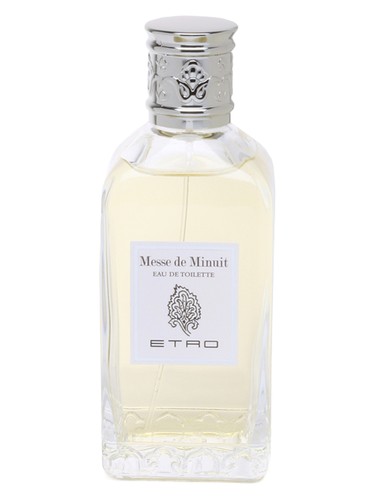
The listed similar fragrances reveal Shaal Nur''s niche positioning. Tauer''s L''Air du Desert Marocain and L''Artisan Parfumeur''s Timbuktu both share that dry, aromatic-incense character with Middle Eastern inspiration. Serge Lutens'' Fille en Aiguilles and Lalique''s Encre Noire lean into the woody-coniferous territory that Shaal Nur touches with its vetiver and cedar. Even within Etro''s own line, Messe de Minuit shares that incense-forward, uncompromising character.
What distinguishes Shaal Nur is its particular emphasis on culinary herbs. Where Timbuktu goes for spice and Desert Marocain for resinous warmth, Shaal Nur remains committed to that rosemary-tarragon-thyme trinity, creating something more garden than souk.
The Bottom Line
Shaal Nur occupies a fascinating space: a 1997 feminine fragrance that anticipated the aromatic-unisex trend by years, yet never achieved mainstream recognition. Its 4.1/5 rating from 672 voters suggests consistent appreciation from those who discover it, even if it doesn''t inspire evangelical fervor.
This is a fragrance for those who find typical feminine perfumes cloying, who appreciate the smell of fresh herbs more than flowers, who want to smell interesting rather than pretty. It''s for the person who owns multiple Comme des Garçons fragrances, who thinks Terre d''Hermès is beautiful regardless of its masculine marketing, who actually uses that word—beautiful—for fragrances that smell like earth and smoke rather than roses and vanilla.
At its price point (typically reasonable for Etro), Shaal Nur offers excellent value for those within its aesthetic. Sample first, certainly—this is too specific to blind-buy—but if that first spray of herbal incense smoke intrigues rather than repels, you may have found a quiet masterpiece hiding in plain sight.
AI-generated editorial review