First Impressions
The first spray of Etro''s Sandalo feels like opening a leather-bound book in a Milanese library on an October afternoon. There''s an immediate brightness—bitter orange and lemon cutting through with citrus precision—but it''s the rose that arrests you, neither syrupy nor sharp, but somewhere in that cultivated middle ground that speaks to Italian restraint. This is not a fragrance that announces itself with fanfare. Instead, it settles around you like a cashmere wrap, substantial yet unobtrusive, establishing its woody-powdery signature within minutes. Released in 1989, Sandalo emerged during an era when feminine fragrances weren''t afraid to embrace androgynous architecture, and that confidence remains palpable decades later.
The Scent Profile
The opening act marries bitter orange, rose, and lemon in a composition that feels both classic and slightly austere. The bitter orange provides a resinous edge that prevents the citrus from becoming too cheerful, while the rose—present from the very beginning—telegraphs the perfume''s serious intentions. This isn''t a fleeting cologne splash; it''s a statement of purpose.
As Sandalo transitions into its heart, the namesake sandalwood takes center stage alongside geranium and a deepening rose presence. Here''s where the fragrance reveals its true character: that woody accord registering at maximum intensity isn''t the sweet, creamy sandalwood of contemporary comfort scents. Instead, it carries a slightly peppery, aromatic quality, amplified by the geranium''s green-rosy facets. The warm spicy accord (43% intensity) weaves through this phase, adding dimension without ever tipping into oriental territory. The powdery quality (49%) emerges here too—not the face-powder sweetness of classic aldehydics, but something drier, more sophisticated, almost talc-like in its mineral softness.
The base notes data shows simply "a," which in the context of this fragrance''s evolution, manifests as an extended meditation on wood. The sandalwood doesn''t so much fade as it diffuses, becoming inseparable from skin. That patchouli accord (27%) provides earthiness without hippie-shop mustiness, while the subtle amber (26%) adds just enough warmth to prevent the composition from becoming too ascetic. This is where Sandalo''s minimalist philosophy shines—it doesn''t pile on resins and vanilla to create longevity. It simply persists, quiet and unwavering.
Character & Occasion
The community data tells a clear story: Sandalo is a fall and winter fragrance first and foremost, with 100% seasonal alignment for autumn and 66% for winter. This makes intuitive sense. The woody-powdery core needs cooler air to properly bloom; in summer heat, that 33% seasonal rating suggests it might feel heavy or out of context. Spring (42%) offers a transitional sweet spot, particularly on those cooler, overcast days when you''re not quite ready to abandon your cold-weather wardrobe.
The day/night breakdown is particularly illuminating: 99% day versus 32% night. This isn''t a date-night seductress or a ballroom showstopper. Sandalo is a daytime companion—office-appropriate yet distinctive, polished enough for important meetings but comfortable enough for weekend errands. That near-universal day rating speaks to its versatility and restraint. It enhances rather than overwhelms.
While marketed as feminine, the woody-aromatic profile with its geranium and sandalwood core easily transcends gendered categories. This is a fragrance for anyone who appreciates understated elegance over loud projection, for those who view perfume as personal ritual rather than public announcement.
Community Verdict
With a rating of 3.99 out of 5 based on 367 votes, Sandalo sits comfortably in "very good" territory without quite reaching the rarified air of universally beloved classics. This rating feels accurate—it''s a fragrance that rewards patience and appreciation for subtlety. Those seeking immediate gratification or bold projection will likely score it lower, while devotees of quality sandalwood and minimalist composition will rate it higher. The nearly four-star consensus suggests a fragrance worth exploring, particularly for those whose tastes align with its refined aesthetic.
How It Compares
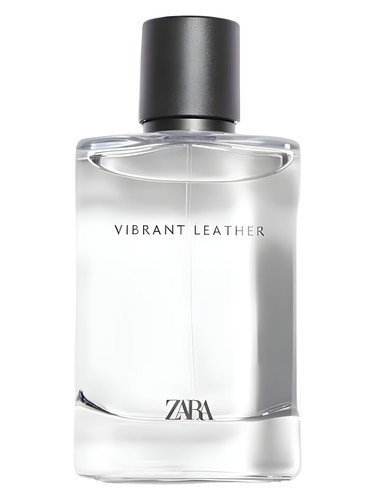
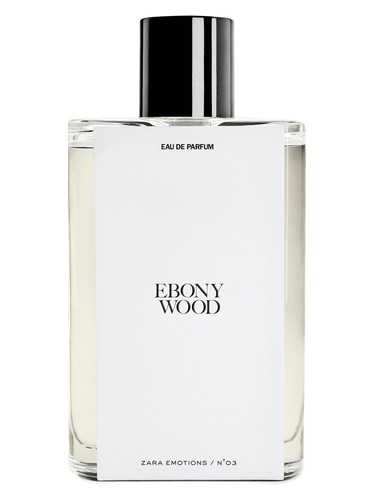
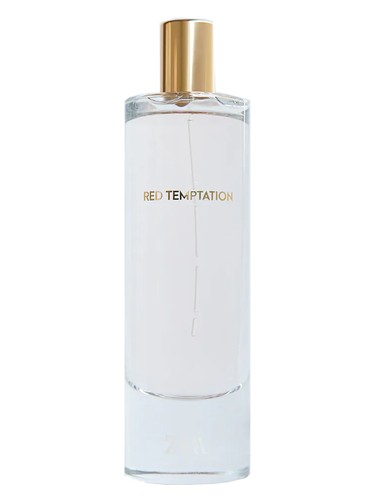
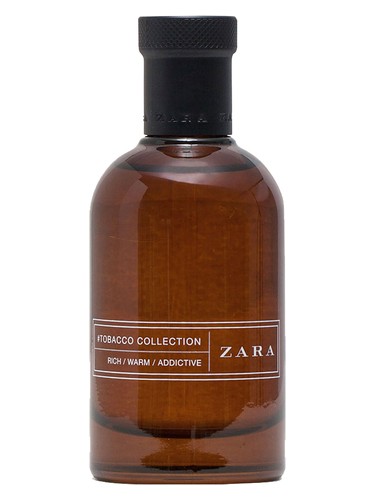
The listed similar fragrances reveal Sandalo''s interesting position in the perfume landscape. Dune by Dior shares that woody-oceanic serenity and similar restraint. Terre d''Hermès and Encre Noire suggest Sandalo''s crossover appeal beyond traditional feminine boundaries—these are serious, contemplative woody compositions. Timbuktu by L''Artisan Parfumeur and Fille en Aiguilles by Serge Lutens point toward Sandalo''s dry, slightly austere woody character, that same refusal to sweeten or soften for broader appeal.
Where Sandalo distinguishes itself is in that powdery-aromatic combination. It''s less aggressively vetiver-forward than Encre Noire, more traditionally perfumey than Terre d''Hermès''s citrus-flint minerality, and warmer than Fille en Aiguilles'' pine-needle sharpness. Sandalo occupies a middle ground—accessible yet refined, wearable yet distinctive.
The Bottom Line
Etro''s Sandalo represents the kind of quiet achievement that rarely generates headlines but maintains devoted followings for decades. At 3.99 out of 5, it''s not trying to be everything to everyone, and that''s precisely its strength. This is a fragrance for those who''ve moved beyond the novelty phase of perfume appreciation and into the contemplation phase—where nuance matters more than novelty, where subtlety trumps volume.
The missing concentration data makes it difficult to assess value directly, but Etro''s positioning suggests this sits in the accessible-luxury range. For fall and winter daytime wear, particularly in professional or creative environments where you want to project competence and taste without distraction, Sandalo delivers consistently.
Who should try it? Anyone drawn to sandalwood but tired of the sweet, creamy iterations dominating contemporary releases. Those who appreciated fragrances like Dune but wish it had more wood and less oceanic haze. Anyone seeking an alternative to the fruit-bomb feminines or aggressive woody masculines that dominate department store counters. Sandalo asks a bit more of its wearer—an appreciation for negative space, for what''s left unsaid. If that sounds appealing rather than pretentious, this 1989 classic deserves a place on your sampling list.
AI-generated editorial review