First Impressions
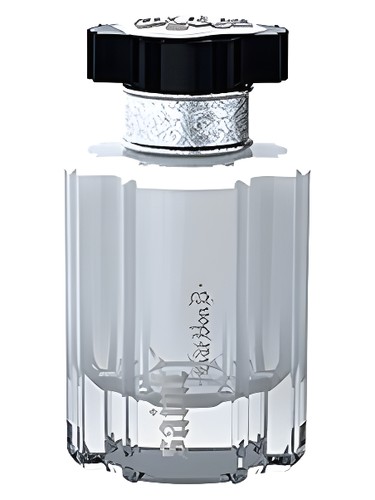
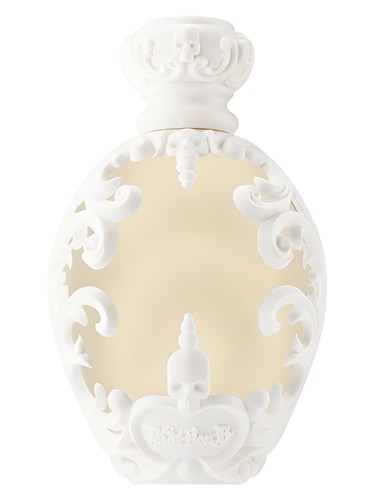
The first spray of Saint is a revelation—not for what it is, but for what it isn''t. From Kat Von D, the tattooed icon synonymous with bold eyeliner and gothic glamour, you might expect something darker, more leather-bound and mysterious. Instead, Saint opens with a sun-drenched burst of mirabelle plum so juicy it practically stains your skin, softened by the herbaceous whisper of clary sage that keeps the sweetness from toppling into candy territory. This is not the scent of rebellion; it''s the scent of redemption—a fragrance that seems to ask whether someone known for edge can create something genuinely tender. The answer, it turns out, is a resounding yes.
The Scent Profile
Saint''s composition unfolds like a three-act confession. The opening act stars mirabelle, that golden French plum with its honeyed, almost apricot-like sweetness. It''s an uncommon choice in mainstream perfumery, lending Saint an immediate distinction. The clary sage provides a necessary counterpoint—green, slightly bitter, with that characteristic herbal clarity that prevents the fruit from overwhelming. Together, they create an opening that feels both indulgent and grounded.
As the fragrance settles, the heart reveals itself as a soft-focus floral study. Almond blossom brings a delicate, marzipan-tinged sweetness that bridges beautifully between the fruity opening and the richer base to come. Jasmine adds its indolic warmth, while lily-of-the-valley contributes a clean, green innocence. This isn''t a heady, room-filling white floral bomb—it''s gentler than that, more approachable. The florals here feel like watercolors rather than oil paints, blurred at the edges and deliberately softened.
The base is where Saint settles into its true character as a comfort scent. Peach extends the fruity theme from top to bottom, adding a velvety, skin-like quality. Vanilla wraps everything in that familiar embrace—not the sharp, boozy vanilla of gourmands, but something rounder and more subdued. Musk provides the intimacy factor, keeping the fragrance close to skin, while cedar offers just enough woody structure to suggest that this sweetness has a spine after all. The dry down is plush, cozy, and decidedly pretty—a cashmere sweater in fragrance form.
Character & Occasion
Saint is overwhelmingly a daytime creature, and the community data bears this out emphatically. This is a fragrance that thrives in natural light, where its fruity-floral character can radiate without competing with evening''s heavier hitters. The numbers tell the story: spring claims 82% seasonal preference, with summer following at 66%. This is a warm-weather fragrance that captures the feeling of orchards in bloom and afternoon picnics, though it maintains enough sweetness to carry through into early fall at 44%.
The stark day-versus-night preference (100% day versus just 27% night) reveals Saint''s essential nature: this isn''t a seduction scent or a statement fragrance. It''s the olfactory equivalent of a sundress and sandals—effortlessly pretty, approachable, non-threatening. It''s perfect for brunch dates, office environments where you want to smell nice without broadcasting it, or any situation where you want to feel put-together without trying too hard.
Who is Saint for? Perhaps ironically, it skews younger than its creator''s typical demographic. This is a fragrance that would feel at home on college campuses and first jobs, on anyone who wants something recognizably feminine and sweet without the complexity or investment of niche perfumery.
Community Verdict
With 870 community votes landing at 3.79 out of 5 stars, Saint occupies that interesting middle ground—well-liked but not beloved, appreciated but not obsessed over. This rating suggests a fragrance that delivers exactly what it promises without necessarily exceeding expectations. It''s competent, pleasant, and occasionally delightful, but perhaps lacking that special something that elevates a good fragrance to a great one. The solid vote count indicates genuine interest and wearability; this isn''t a forgotten launch or a critical disaster. Rather, it''s a fragrance that found its audience and serves them well, even if it didn''t set the fragrance world ablaze.
How It Compares
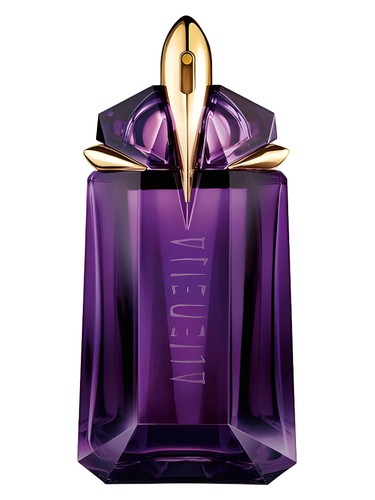
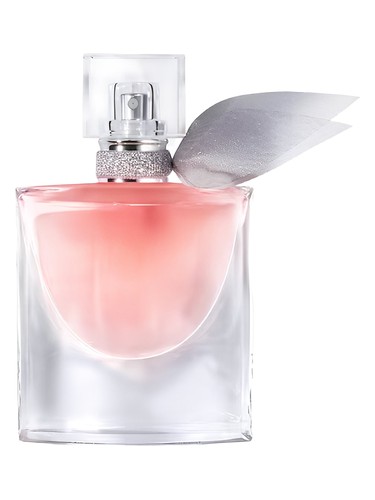
Saint exists in the crowded territory of fruity-sweet florals, and its similar fragrances reveal its true genre. Positioned alongside Jessica Simpson''s Fancy, Britney Spears'' Fantasy, and Juicy Couture''s Viva la Juicy, Saint is clearly playing in the celebrity-adjacent, accessible-sweet category. The comparison to La Vie Est Belle and Hypnotic Poison suggests aspirations toward that same praline-vanilla comfort zone that has dominated mainstream femininity for the past decade.
Where Saint distinguishes itself is in that unusual mirabelle opening and the restraint exercised throughout. It''s sweeter than necessary but never cloying, fruity but not artificial-smelling. It occupies a middle ground between drugstore accessibility and department store polish—fitting for a brand that has always straddled the line between alternative culture and mainstream beauty.
The Bottom Line
Saint is a fragrance that succeeds by being exactly what it wants to be, even if that ambition is modest. It''s a well-executed fruity floral that prioritizes wearability and likability over innovation or complexity. The 3.79 rating is fair—this is a solid B+ fragrance that does its job with competence and occasional charm.
The value proposition depends on your expectations. If you''re seeking something unique or challenging, look elsewhere. But if you want a reliable, pretty, fruit-forward scent that works for daytime wear in warm weather, Saint delivers without fuss. It''s particularly worth exploring if you''re drawn to that juicy stone-fruit sweetness of the mirabelle, which gives this fragrance more character than its celebrity-adjacent peers.
Should you try Saint? If the similar fragrances listed resonate with you, absolutely. If you''re intrigued by the contradiction between Kat Von D''s aesthetic and this fragrance''s softness, it''s worth a sample. Just know that you''re getting a halo, not a pentagram—and sometimes, that''s exactly what you need.
AI-generated editorial review