First Impressions
The first spray of Royal Desire announces itself with a contradiction that somehow works: the juicy tartness of black currant and yuzu colliding headfirst with pillowy marshmallow. It''s an opening that refuses subtlety, instead offering a confectionary sweetness tempered by citrus brightness and berry tang. This is a fragrance that knows exactly what it wants to be—a sugared, powdery embrace that recalls the celebrity fragrance boom of the late 2000s and early 2010s, when sweetness wasn''t a guilty pleasure but a bold statement. Within moments, that marshmallow note settles into something softer, more diffused, creating a cloud of powder that will define this scent''s entire journey.
The Scent Profile
Royal Desire opens with an intriguing trifecta: marshmallow''s fluffy sweetness takes center stage, while black currant adds a dark berry richness and yuzu contributes a brief whisper of citrus sophistication. The marshmallow note is unabashed—this isn''t a whisper of sugar but a full-throated declaration. The yuzu''s role is fleeting, a bright spark that fades within minutes, leaving the currant and marshmallow to dance together in increasingly sweet harmony.
As the fragrance settles into its heart, a bouquet of white florals emerges through that powdery veil. Lily and honeysuckle bring a creamy, almost syrupy floral quality, while rose adds a familiar feminine softness without ever dominating. Iris contributes its signature powdery texture, amplifying what was already the fragrance''s dominant accord. This floral quartet doesn''t read as individual notes so much as a blended, gauzy impression of "pretty flowers"—each blossom softened and sweetened, rendered more abstract than literal. The white floral character is prominent but never sharp or indolic; everything here has been smoothed and sugared.
The base is where Royal Desire finds its staying power. Musk provides a soft, skin-like quality that keeps the fragrance close, while sandalwood and Virginia cedar add just enough woody depth to prevent the composition from floating away entirely into dessert territory. These base notes don''t transform the fragrance dramatically—this isn''t a scent with a shocking drydown twist. Instead, they ground the sweetness, providing a foundation that allows the powdery florals to linger for hours. The woods never assert themselves enough to shift the sweet-powdery balance, but they''re present enough to give the composition structure.
Character & Occasion
Royal Desire shows its versatility in cooler weather, performing best during spring (63%), followed closely by winter (54%) and fall (51%). Summer''s 27% rating makes perfect sense—this is a fragrance that can feel cloying in heat, its sweetness amplified by warmth. The cooler air of spring mornings or crisp fall afternoons provides the perfect backdrop for its powdery presence without overwhelming either wearer or bystanders.
The day/night breakdown tells a clear story: this is overwhelmingly a daytime fragrance (100%) with limited evening appeal (30%). Royal Desire doesn''t have the depth, complexity, or mystery that evening wear often demands. Instead, it excels at casual daytime occasions—brunch with friends, weekend shopping trips, coffee dates, or a day at the office in creative environments where sweet fragrances won''t raise eyebrows. It''s friendly, approachable, and decidedly non-threatening.
This is a fragrance for those who embrace sweetness without apology, who want their presence announced softly but unmistakably. The target demographic skews younger, though anyone drawn to powdery florals with a gourmand edge will find something to appreciate here.
Community Verdict
With a rating of 3.69 out of 5 from 1,057 votes, Royal Desire sits comfortably in "good but not great" territory. This is a respectable showing that suggests a fragrance with clear appeal but also clear limitations. The vote count indicates a solid community interest—over a thousand people have taken the time to rate it—while the score suggests most find it pleasant and wearable without being extraordinary. It''s the kind of rating that tells you this is worth exploring if the notes appeal to you, but perhaps not worth going out of your way to hunt down if powdery-sweet fragrances aren''t your preference.
How It Compares
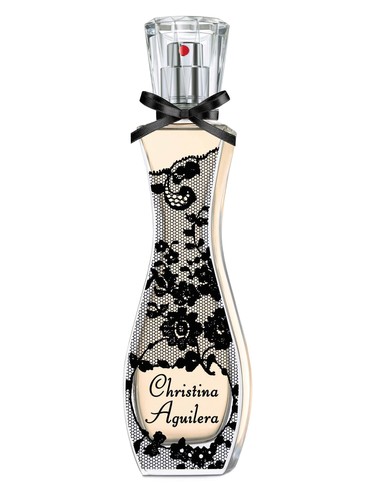
The similarity to both J''adore by Dior and La Vie Est Belle by Lancôme is intriguing, as these are fragrances operating at very different price points and prestige levels. While Royal Desire shares the powdery-sweet-floral DNA with these compositions, it lacks their refinement and complexity. The connections to Fantasy and Midnight Fantasy by Britney Spears feel more apt—these are sister fragrances in the celebrity scent universe, all trading in accessible sweetness and unabashed femininity. Compared to the original Christina Aguilera fragrance, Royal Desire pushes further into powder territory while maintaining that signature celebrity-scent sweetness. It occupies a specific niche: more sophisticated than drugstore body mists, less complex than designer prestige fragrances, and proudly sweet in an era when many niche houses were moving toward minimalism.
The Bottom Line
Royal Desire is exactly what it promises to be: a sweet, powdery floral that prioritizes approachability and comfort over innovation. With its sub-4 rating from over a thousand voters, it''s a fragrance that delivers reliably without aspiring to greatness. For fans of powdery florals with a marshmallow edge, particularly those who cut their teeth on celebrity fragrances of the late 2000s, this offers nostalgic pleasure and solid performance in cooler weather daytime wear.
The value proposition is strong—celebrity fragrances typically offer accessible pricing, and Royal Desire delivers a polished, long-lasting composition that doesn''t smell cheap despite its category. Should you try it? If you''re drawn to sweet, powder-forward florals and the note breakdown appeals, absolutely. If you prefer your fragrances dry, sophisticated, or evening-appropriate, this won''t convert you. Royal Desire knows its audience and serves them well without pretending to be something it''s not—and there''s a certain honest charm in that.
AI-generated editorial review