First Impressions
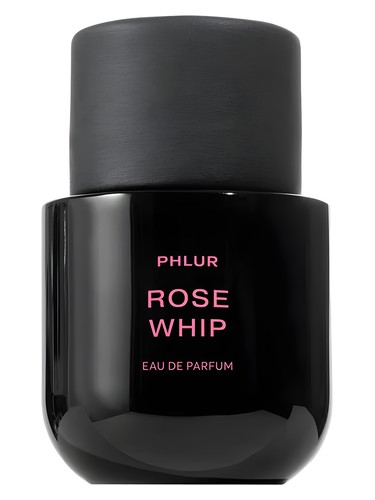
The first spray of Rose Whip delivers exactly what its playful name promises: something simultaneously romantic and indulgent, like pink petals folded into sweetened cream. Black currant bursts forward with its tart, almost wine-like brightness, while pink pepper adds a sparkling, champagne-bubble effervescence. This isn''t your grandmother''s rose perfume, nor is it trying to be. From the very first moment, Phlur makes clear they''re after something softer, something that whispers rather than announces—a rose reimagined for those who think they don''t like rose at all.
The Scent Profile
Rose Whip opens with that compelling duo of black currant and pink pepper, creating an initial impression that''s more fruit-forward than floral. The black currant contributes a juicy, almost tangy quality that keeps the composition from veering too sweet, while the pink pepper provides just enough bite to maintain interest. It''s an approachable, pretty beginning that explains why many rose skeptics find themselves unexpectedly charmed.
As the fragrance settles, the heart reveals its true character: rose takes center stage—as evidenced by its dominant 100% accord presence—but it arrives accompanied by unexpected companions. Nutmeg brings warmth and a subtle earthiness, while osmanthus adds its signature apricot-leather facets, creating complexity that elevates this beyond simple rose soliflore territory. The musky accord (90%) begins asserting itself here, creating a softer, skin-like quality that some find intimate and others find problematic.
The base is where Rose Whip becomes contentious. Cashmere wood, musk, and amber create a foundation that''s meant to feel cozy and enveloping, with the amber accord registering at 64%. In theory, this combination should provide a warm, slightly powdery cushion for the rose to rest upon. In practice, the drydown proves to be the fragrance''s Achilles heel, with the musk taking on qualities that don''t read as clean or sensual to all wearers.
Character & Occasion
Rose Whip positions itself as an all-season fragrance, and its moderate composition supports this versatility claim. The fruity-floral opening works in warmer weather without overwhelming, while the woody-musky base provides enough substance for cooler months. Interestingly, community data shows no clear preference for day or night wear—perhaps because the fragrance''s performance issues prevent it from making a strong impression in either context, or because wearers haven''t settled into a comfort zone with its unpredictable drydown.
This is ostensibly a feminine fragrance, though its soft spicy elements (65%) and woody base give it enough depth to avoid being overly sweet or one-dimensional. It seems designed for someone seeking a modern rose interpretation—approachable rather than opulent, contemporary rather than classic. The question becomes whether you''re willing to gamble on how it develops on your particular skin chemistry.
Community Verdict
The fragrance community''s response to Rose Whip tells a complicated story, reflected in its 6.5 out of 10 sentiment score across 22 opinions. The consensus acknowledges a genuinely beautiful opening—that black currant and pink pepper introduction wins converts, particularly among those who typically avoid rose-centered fragrances. Several commenters praise its unique interpretation and interesting compositional development through the early stages.
However, the praise comes with significant caveats. The most consistent complaint centers on a problematic drydown that turns unpleasant on certain wearers, with multiple reports describing it as smelling "unwashed" or simply off-putting after the initial charm fades. Performance and longevity issues compound the problem—though it''s worth noting this concern isn''t universal, suggesting skin chemistry plays a major role in how Rose Whip behaves.
The overall rating of 3.89 out of 5 from 430 votes suggests a fragrance that satisfies some while disappointing others, never quite achieving the consistency needed for broad acclaim. Community recommendations focus on testing before buying, particularly if you''re rose-averse, and managing expectations around wear time—apparently this works best as a short-term experience focused on that compelling opening act.
How It Compares
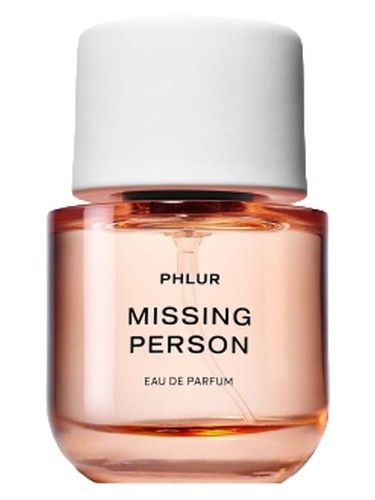
Rose Whip finds itself in prestigious company with its listed similarities: Delina Exclusif by Parfums de Marly, Flowerbomb by Viktor&Rolf, and Valentino Donna Born In Roma all play in the fruity-rose-musk space, though generally with higher price points and more established reputations. The comparison to Phlur''s own Missing Person suggests a house style emerging around approachable, musky-woody compositions. You by Glossier shares that soft, skin-like quality that Rose Whip attempts in its base.
Where Rose Whip distinguishes itself—for better or worse—is in its accessibility and that specific black currant-rose pairing. It''s positioned as a more affordable entry point into this category, though affordability matters less if the drydown doesn''t work on your skin.
The Bottom Line
Rose Whip represents both Phlur''s strengths and struggles. The brand clearly understands how to create an appealing initial impression and knows how to make rose interesting for contemporary tastes. That opening genuinely deserves its praise, and for someone who plans to reapply frequently or only needs a fragrance to last a few hours, it might be exactly right.
But the mixed community response and specific concerns about the drydown are too consistent to ignore. At 3.89 out of 5, this isn''t a disaster, but it''s also not a sure thing. The fragrance works beautifully for some wearers while turning genuinely unpleasant on others—classic skin chemistry roulette.
Who should try Rose Whip? Those curious about modern rose interpretations, anyone who found themselves intrigued by the note list, and particularly people who want to test whether they actually dislike rose or just dislike traditional rose perfumes. But try before you buy, and give it time to develop fully on your skin. This is one whipped rose that needs proper testing before commitment.
AI-generated editorial review