First Impressions
Red Dakota announces itself with an immediate burst of clementine brightness—a sunny, optimistic opening that feels like California light captured in a bottle. The citrus accord dominates completely here, accounting for the full weight of this fragrance''s personality at first spray. There''s an almost effervescent quality to those initial moments, a clean freshness that promises uncomplicated pleasure. Within seconds, gardenia''s creamy white petals begin weaving through the citrus, softening the tartness with a subtle floral sweetness. It''s an inviting introduction, one that suggests lazy afternoon picnics and sun-warmed skin.
The Scent Profile
The composition unfolds with that commanding citrus presence leading the charge—clementine juice still glistening on your fingertips, bright and unabashedly cheerful. That 100% citrus accord reading isn''t an exaggeration; it permeates every stage of this fragrance''s development. The gardenia in the opening adds a white floral dimension (36% of the overall character), contributing a soapy-clean quality that reads more fresh laundry than heady blossom.
As Red Dakota settles into its heart, woodsy notes and amber attempt to provide structure and warmth. The woods here aren''t dense or resinous—they''re subtle, almost ghostly presences that hint at depth without fully committing to it. The amber brings a gentle sweetness (40% sweet accord overall) that feels more like honey drizzled over citrus segments than the rich, resinous amber found in classic orientals. This middle phase accounts for the 36% woody accord, though it manifests more as a backdrop than a bold statement.
The base introduces wild berries, an unusual choice that contributes to the 39% fruity accord running through the fragrance. These berries don''t read as jammy or dark; instead, they maintain the composition''s bright, almost juvenile sweetness. The dry down is where Red Dakota reveals its limitations—rather than deepening or transforming, it simply becomes a quieter version of itself, a faded watercolor of that initial citrus-floral sketch.
Character & Occasion
Red Dakota is unequivocally a summer fragrance, scoring a perfect 100% for warm-weather wear. It thrives in heat, where its light, airy composition won''t overwhelm. Spring comes in as a strong secondary season at 68%, making this essentially a warm-weather exclusive. Fall registers at a mere 25%, and winter at 9%—this is decidedly not a fragrance for cozy sweaters and crackling fires.
The day-versus-night split tells an even clearer story: 92% day wear versus just 12% night. This is a fragrance for brunch dates, beach walks, farmer''s market strolls, and afternoon errands. It lacks the sophistication or intensity for evening wear, staying firmly in the casual, approachable territory. The feminine classification feels accurate—this isn''t about gender boundaries so much as aesthetic choices that lean toward conventional "fresh and pretty" territory.
Community Verdict
The r/fragrance community offers a sobering reality check, assigning Red Dakota a negative sentiment score of just 3.5 out of 10 across 11 detailed opinions. While the broader rating of 3.54 out of 5 from 478 votes suggests moderate approval, dedicated fragrance enthusiasts paint a more critical picture.
The pros acknowledged are specific but limited: users appreciate the clean, fresh scent profile and the availability of travel sizes for sampling. Some found the performance and longevity decent enough, which at least means it doesn''t disappear within minutes.
The cons, however, are more numerous and damning. Multiple reviewers described Red Dakota as feeling incomplete and generic—a fragrance that seems to be reaching for something it never quite achieves. A recurring complaint centers on the notes not translating as advertised; that promised complexity simply doesn''t materialize on skin. The value proposition particularly troubles buyers, with many feeling the price point doesn''t justify what''s ultimately a fairly simple composition. The disappointing dry down receives specific mention—that moment when a fragrance should reveal its true character becomes instead a moment of diminishment.
The community consensus suggests Red Dakota works best as a sample before any full bottle commitment, and might appeal to those specifically seeking ultra-fresh, uncomplicated fragrances. Several reviewers admitted to selling or abandoning the fragrance after limited wear, describing it as boring and ultimately forgettable.
How It Compares
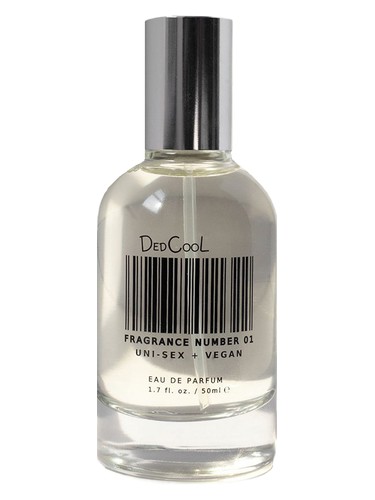
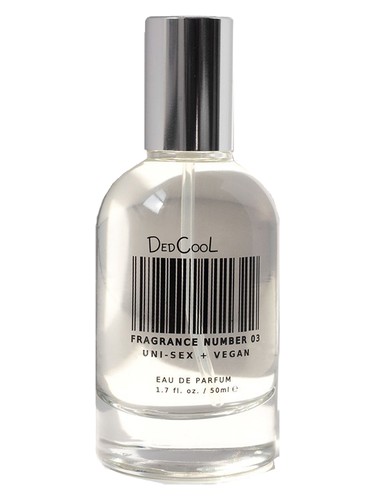
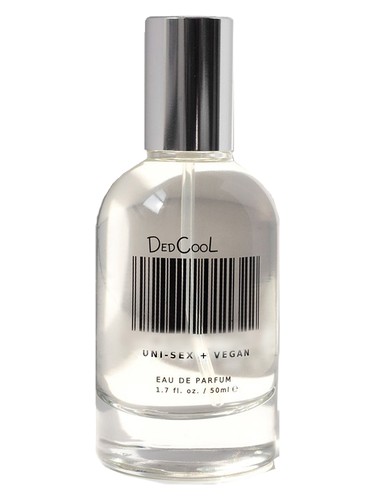
The similar fragrances list offers interesting context. Poets of Berlin by Vilhelm Parfumerie and Beach Walk by Maison Martin Margiela both operate in similar fresh, summery territory but with more distinctive personalities and better-developed compositions. Philosykos Eau de Parfum by Diptyque shares that California-fresh aesthetic but delivers it with considerably more artistry and depth. Even within DedCool''s own line, it''s grouped with Fragrance 01 Taunt and Fragrance 03 Blonde—suggesting a brand aesthetic that prioritizes clean minimalism over complex development.
The Bottom Line
Red Dakota occupies an uncomfortable middle ground: pleasant enough not to offend, but too underdeveloped to truly satisfy. That 3.54 rating reflects exactly what you get—a slightly-above-average fragrance that does what it promises in the most literal, unambitious way possible. The citrus is there, the freshness is real, but the magic is absent.
For someone seeking an uncomplicated summer spritz to layer with other products or wear to the gym, Red Dakota might suffice. The travel size option mentioned by the community becomes essential advice here—sampling before committing to a full bottle could save significant buyer''s remorse. At its price point, you''re competing with more accomplished fresh fragrances that offer better development and value.
Red Dakota ultimately feels like a sketch rather than a finished painting—the outline is there, the composition is pleasant, but it never quite comes alive. For a brand trying to establish itself in the competitive contemporary fragrance market, this kind of safe mediocrity might be the riskiest position of all.
AI-generated editorial review