First Impressions
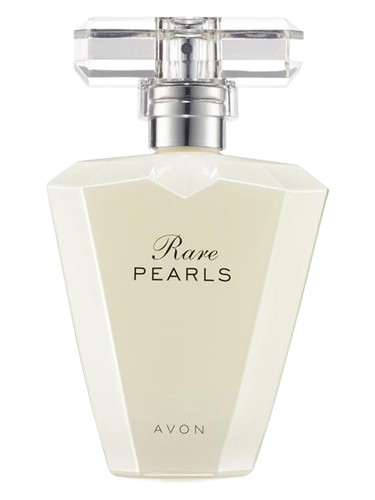
The first spray of Rare Pearls delivers an unexpected sophistication that belies its accessible price point. White honey mingles with a whisper of pepper and the rich, almost rosaceous warmth of Brazilian rosewood, while plum adds a subtle fruity sweetness that keeps the opening from veering too austere. It''s a promising introduction—one that momentarily suspends disbelief about what a budget fragrance can accomplish. There''s a retro elegance here, a throwback to early 2000s femininity that feels both nostalgic and oddly comforting. For those first few minutes, Rare Pearls lives up to its name, offering something genuinely intriguing at a fraction of what luxury houses charge.
The Scent Profile
The opening act of white honey and pepper creates an unusual tension—sweet yet sharp, inviting yet alert. The Brazilian rosewood adds a woody richness that grounds what could otherwise become saccharine, while plum provides just enough fruit to soften the edges. This top note phase represents Rare Pearls at its finest, when the composition feels balanced and intentional.
As the fragrance settles into its heart, magnolia takes center stage as the sole middle note—a bold compositional choice that either demonstrates confidence or reveals budgetary constraints. The magnolia here reads as creamy and slightly lemonic, a floral that dominates the mid-development completely. It''s during this phase that the fragrance''s floral accord (which scores a perfect 100% in its profile) becomes undeniable. The magnolia doesn''t share the stage; it commands it, for better or worse.
The base brings musk, sandalwood, and patchouli into play, creating a woody foundation that accounts for the fragrance''s 71% woody accord rating. The sandalwood adds a soft, creamy warmth, while patchouli contributes an earthy depth. Musk rounds everything out with a skin-like quality that should, in theory, help the fragrance nestle close to the body. The combination creates a warm, slightly sweet foundation that echoes the honey from the opening, though by this point, the composition''s limitations become increasingly apparent.
Character & Occasion
With near-identical suitability for winter (79%), spring (79%), and fall (77%), Rare Pearls positions itself as a three-season workhorse, only faltering in summer''s heat (40%). This versatility speaks to its moderate warmth and the balance between its floral brightness and woody depth. The fragrance wears decidedly better during daylight hours (100%) compared to evening occasions (63%), suggesting a personality that''s more approachable than seductive, more office-appropriate than date-night alluring.
The 43% warm spicy and 41% fresh spicy accords give Rare Pearls enough personality to stand out in a crowd without overwhelming, while the 62% honey accord and 60% sweetness keep it firmly in feminine territory. This is a fragrance that belongs on someone who appreciates traditional femininity with a slight modern edge—the woman who wants to smell polished and put-together without making a dramatic statement.
Community Verdict
The Reddit r/fragrance community pulls no punches, awarding Rare Pearls a disappointing 2.5 out of 10 sentiment score across 21 opinions. This stark disconnect between the broader rating (3.78/5 from 2,349 votes) and dedicated community opinion reveals an important truth: those who engage deeply with fragrance find Rare Pearls wanting.
The community acknowledges three key strengths: a pleasant initial scent, an affordable price point, and its status as a recognizable vintage fragrance from the mid-2000s. These pros matter, particularly for budget-conscious buyers or those seeking nostalgic comfort.
However, the criticisms cut deeper. Users consistently report that Rare Pearls "becomes cloying and nauseating over time," with poor longevity undermining its wearability. Most damning is the phenomenon of rapid scent fatigue—many users report actively avoiding the fragrance after initial trials, unable to recapture that promising first impression. The community consensus suggests Rare Pearls works best for "occasional casual wear" and recommends testing thoroughly before committing to a full bottle.
How It Compares
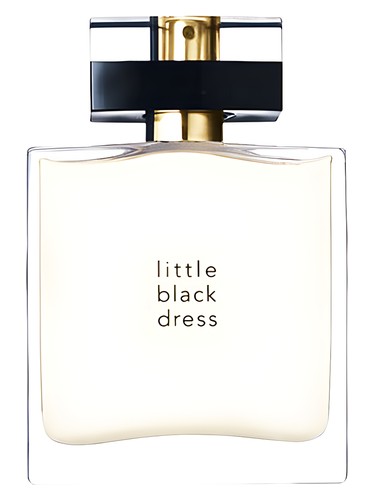
The list of similar fragrances reads like a greatest hits of feminine perfumery: Euphoria by Calvin Klein, Angel by Mugler, Dune by Dior, alongside Avon siblings Tomorrow and Little Black Dress. This comparison reveals both aspiration and reality. While Rare Pearls shares DNA with these more established fragrances—particularly in its floral-woody-sweet structure—it lacks the refinement and longevity that distinguish its better-bred cousins.
Where Euphoria delivers lasting drama and Angel provides polarizing intensity, Rare Pearls offers a softer, more forgettable interpretation. It exists in the shadow of these benchmarks, a budget alternative that reminds you why some fragrances command premium prices.
The Bottom Line
Rare Pearls presents a paradox: a fragrance with genuine appeal in its opening minutes that ultimately fails to deliver on its promise. The 3.78/5 rating from nearly 2,400 votes suggests many casual users find it perfectly acceptable, perhaps even enjoyable for its price point. But the experienced community''s 2.5/10 sentiment score tells a different story—one of disappointment and abandoned bottles.
Should you try Rare Pearls? If you''re curious about vintage Avon offerings or need an inexpensive fragrance for truly occasional wear, it might deserve a test. The opening is genuinely pleasant, and at Avon''s typical pricing, the financial risk is minimal. However, manage your expectations accordingly. This isn''t a hidden gem waiting to be discovered; it''s a budget fragrance that behaves like one, charming briefly before revealing why it costs so little.
For those building a serious collection or seeking a daily signature scent, look elsewhere. But for someone just beginning their fragrance journey or needing something forgettable for situations where you''d rather not wear your favorites, Rare Pearls serves its purpose—just don''t expect it to last or enchant beyond those first few sprays.
AI-generated editorial review