First Impressions
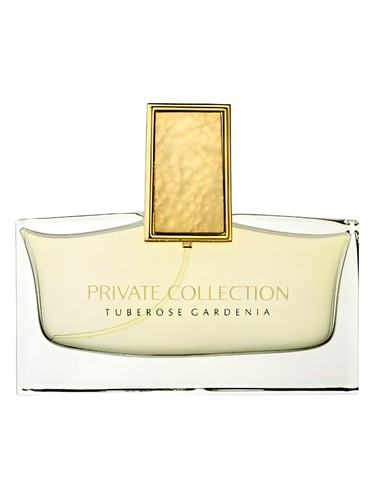
The first spray of Private Collection Tuberose Gardenia announces itself with the kind of confident femininity that doesn''t whisper—it speaks. There''s an immediate brightness, a lilac-tinged shimmer that catches the light before the deeper white florals begin their inevitable bloom. This is Estée Lauder in full classical mode, back when the Private Collection line meant something substantial, something built to last through lunch and into twilight. The neroli adds a sophisticated citrus polish, while the Brazilian rosewood—now a restricted and precious ingredient—lends an almost creamy woodiness that grounds what could have been merely pretty into something with real backbone.
The Scent Profile
The opening act is deceptively fresh. Lilac brings a purple-hued softness, while neroli provides that characteristic bitter-sweet orange blossom oil brightness. The Brazilian rosewood, a note you don''t encounter often in modern perfumery due to sustainability concerns, adds a subtle spicy-woody richness that hints at the opulence to come. This top phase lasts perhaps twenty minutes before the heart makes its grand entrance.
And what an entrance it is. The heart of this fragrance is an unapologetic white floral bouquet that lives up to its name. Tuberose and gardenia form the dual pillars of this composition, with the tuberose bringing its signature creamy, slightly mentholated richness and the gardenia adding a velvety, almost buttery texture. Jasmine weaves through with its indolic sweetness, while lily contributes a cool, green elegance that prevents the composition from becoming too heavy. Orange blossom appears again here, bridging the citrus brightness of the opening with the deeper floral symphony. This is white floral perfumery done with technical precision—each bloom distinct yet harmonious.
The base reveals an unexpected twist. Carnation, that spicy-clove note that feels distinctly vintage in the best possible way, adds warmth and a subtle peppery kick. Bourbon vanilla arrives not as a sweet dessert note but as a sophisticated anchor, rich and slightly smoky, tempering the florals without overwhelming them. This combination creates what the community has identified as a 20% animalic accord—there''s something skin-like and intimate about the drydown, a warmth that feels almost provocative against the propriety of the white flowers above.
Character & Occasion
The data tells a clear story: this is overwhelmingly a spring fragrance, with 96% of wearers finding it perfect for that season when gardens actually burst into bloom. Summer follows at 65%, which makes sense—there''s enough brightness and that green accord (15% of the composition) to handle warmer weather, though the richness of the florals might feel substantial in true heat. The fall and winter numbers (51% and 39% respectively) suggest this isn''t strictly a warm-weather scent; there''s enough depth and that vanilla-carnation base to carry it into cooler months for those who love their white florals year-round.
The day/night split is equally revealing: 100% appropriate for daytime wear, yet 55% find it works for evening too. This versatility speaks to the fragrance''s refinement—it''s polished enough for the office (if your office appreciates perfume), graceful enough for brunch, yet possesses sufficient presence for dinner. This is the rare white floral that doesn''t scream "wedding guest" or "garden party" exclusively. It simply smells expensive and well-chosen.
Community Verdict
With a rating of 4.23 out of 5 based on 2,228 votes, Private Collection Tuberose Gardenia has clearly struck a chord. That''s a substantial number of reviews, and the rating sits comfortably in "widely loved" territory. It''s not polarizing—a fragrance with this score has figured out how to be both distinctive and crowd-pleasing. The white floral category can be divisive (some find tuberose too heady, gardenia too soapy), but this composition has won over a clear majority of those who''ve experienced it.
How It Compares
The similar fragrances list reads like a who''s who of beloved white florals and sophisticated feminines: Givenchy''s Organza, Dior''s Pure Poison, Mugler''s Alien, Lancôme''s Poème, and Dior Addict. What''s interesting is the range here—from Organza''s Oriental warmth to Alien''s jasmine-focused intensity to Pure Poison''s orange blossom brightness. This suggests that Private Collection Tuberose Gardenia occupies a versatile middle ground, pulling from multiple traditions in white floral perfumery. Where some of these comparisons lean sweeter (Alien) or more overtly sensual (Pure Poison), the Lauder strikes a more classically balanced pose.
The Bottom Line
Private Collection Tuberose Gardenia is what happens when a heritage house applies serious resources and perfumery expertise to a classic category. Released in 2007, it captures a moment just before the industry''s obsession with flankers and youth marketing overwhelmed everything else. This is grown-up perfume—not in the sense of being old-fashioned, but in the sense of being complete, well-constructed, and unafraid of its own richness.
The 4.23 rating from over 2,000 voters isn''t accidental. This is simply a very good white floral, executed with the kind of attention to detail and quality ingredients that justifies the Private Collection designation. If you''re someone who thinks white florals are too simple or too similar, this might be the one that changes your mind. If you already love the category, this belongs in your collection alongside the classics. The Brazilian rosewood alone makes it a time capsule of a different era in perfumery.
Should you try it? If you''ve ever enjoyed any of the similar fragrances listed, absolutely. If spring makes you want to smell like an actual garden rather than a fruity approximation of one, yes. If you appreciate perfume that has genuine depth and development rather than staying static on the skin, definitely. This is white floral perfumery done right—respectful of tradition while possessing enough character to stand apart.
AI-generated editorial review