First Impressions
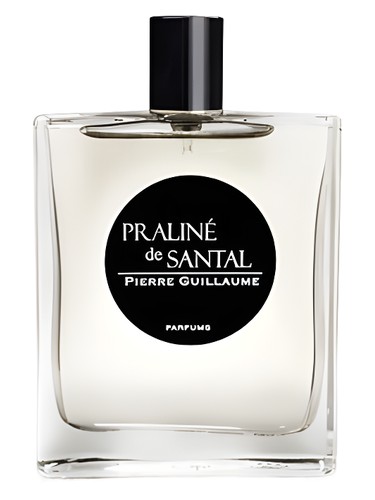
The first spray of Praline de Santal reveals Pierre Guillaume''s particular genius: the ability to make wood smell delicious without crossing into cloying territory. This is sandalwood reimagined through a pastry chef''s lens, where creamy nuts and delicate powder dance around a sturdy wooden frame. The opening doesn''t announce itself with citrus fanfare or floral theatrics. Instead, it whispers an invitation—warm, slightly sweet, unmistakably refined. There''s an immediate sense of comfort here, like slipping into a cashmere sweater in a wood-paneled library where someone has just set down a plate of almond pralines.
What strikes you immediately is the balance. Despite the name''s promise of sweetness, this isn''t a gourmand that will have you smelling like a walking dessert cart. The woody accord dominates completely—registering at 100% in its profile—but it''s a sandalwood softened and sweetened, made approachable and utterly wearable. The nutty character follows closely at 52%, creating a composition that feels both sophisticated and secretly indulgent.
The Scent Profile
While Pierre Guillaume has kept the specific note breakdown mysterious—perhaps intentionally allowing the fragrance to speak for itself—the accord structure tells a clear story of evolution and intent. The woody foundation never wavers; it''s the constant heartbeat underneath everything that unfolds.
The nutty aspect, registering at just over half the woody intensity, provides the "praline" promise. This isn''t the sharp bite of raw almonds or the overtly sweet scent of marzipan. Instead, it''s the roasted, caramelized quality of nuts that have been gently heated, their natural oils released and mingling with something faintly sugary. The almond accord, measured at 15%, adds a distinct character without overwhelming—it''s specific enough to recognize but subtle enough to integrate seamlessly.
The powdery element at 35% creates crucial texture. This is what transforms Praline de Santal from a straightforward woody-gourmand into something more nuanced and skin-like. It adds a velvety finish, a soft-focus effect that makes the fragrance feel intimate rather than projecting loudly into a room. Think cosmetic powder, iris-adjacent but warmer, less austere.
Supporting players include a balsamic quality at 15%—likely contributing depth and a subtle resinous warmth—and vanilla at 14%, which rounds edges and adds creamy sweetness without turning this into a vanilla fragrance per se. The composition feels holistic rather than segmented; there''s no dramatic top-to-base journey, but rather a consistent evolution that deepens and softens as hours pass.
Character & Occasion
The seasonal data speaks volumes: this is a cold-weather companion through and through. Fall claims 100% suitability, winter follows at 91%, and then there''s a dramatic drop to spring''s 27% and summer''s mere 11%. Praline de Santal is decidedly not a warm-weather fragrance. Its cozy, enveloping character thrives when temperatures drop and you want something that feels like olfactory comfort food.
The day-versus-night breakdown reveals versatility within its seasonal niche: 82% daytime suitability versus 44% for evening wear. This isn''t a fragrance that demands candlelight and cocktail attire. It''s polished enough for professional settings, soft enough for weekend brunches, and comforting enough for solo days working from home. The moderate evening score suggests it can transition into night, though it won''t provide the drama or intensity some seek for special occasions.
Marketed as feminine, Praline de Santal occupies that increasingly common territory where gender boundaries feel arbitrary. Anyone drawn to soft woods, nutty accords, and comfort-focused fragrances will find something to love here. It''s approachable without being basic, distinctive without being challenging.
Community Verdict
With a 3.95 out of 5 rating from 352 votes, Praline de Santal sits comfortably in "very good" territory. This isn''t a polarizing avant-garde experiment, nor is it a safe crowd-pleaser that everyone likes but nobody loves. The score suggests a fragrance with clear fans who appreciate its specific vision, balanced against those who might find it too subtle, too sweet, or too niche for their preferences.
The substantial vote count indicates this isn''t an obscure curio—it''s a fragrance that has found its audience and maintains steady interest over a decade after its 2011 release. That longevity speaks to Pierre Guillaume''s skill in creating compositions with staying power in an overcrowded market.
How It Compares
The comparison list reads like a syllabus in sophisticated woody fragrances. Serge Lutens'' Feminité du Bois pioneered the woody-feminine genre, while his Jeux de Peau explores similar skin-like, nutty territory. Chanel''s Coromandel offers woody-vanilla luxury at a prestige price point. L''Artisan Parfumeur''s Bois Farine shares that intriguing woody-cereal quality.
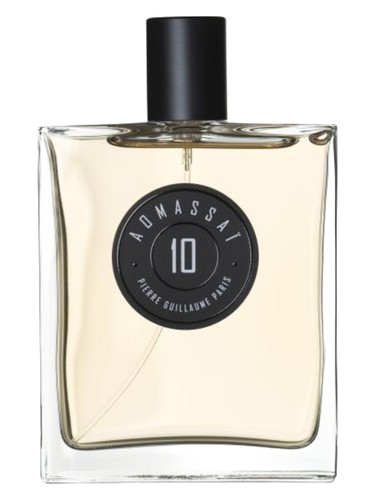
Most telling is the inclusion of Aomassai 10, another Pierre Guillaume creation, suggesting a signature style across his work. Where Praline de Santal distinguishes itself is in its particular balance—sweeter than Feminité du Bois, less overtly powdery than Jeux de Peau, more approachable than Coromandel''s incense-laden opulence. It occupies a sweet spot for those who want the sophistication of niche woody fragrances without the austerity or intensity that can make some feel unwearable.
The Bottom Line
Praline de Santal deserves its near-four-star rating. It''s a fragrance that knows exactly what it wants to be and executes that vision with quiet confidence. Pierre Guillaume has created something genuinely comforting without sacrificing sophistication, sweet without becoming cloying, distinctive without being difficult.
The value proposition depends on your priorities. This won''t be your most attention-grabbing fragrance, your date-night seduction weapon, or your summer signature. But if you''re seeking a cool-weather companion that feels like a warm embrace, that works from coffee shop to conference room, that makes sandalwood feel both elegant and edible—this warrants serious consideration.
Try Praline de Santal if you''ve loved any of its comparison fragrances, if you''re drawn to woody-nutty combinations, or if you''re simply tired of the same old vanilla-patchouli templates. It''s proof that eleven years after release, a well-crafted fragrance needs neither reformulation nor rebranding to remain relevant.
AI-generated editorial review