First Impressions
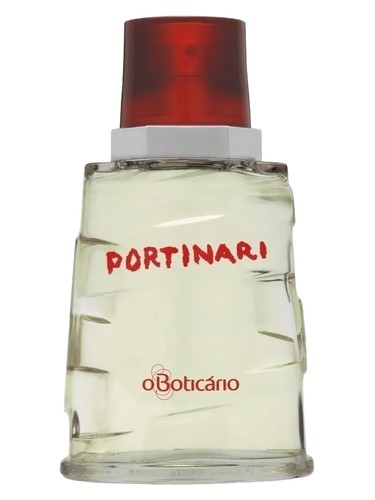
The first spray of Portinari is a revelation wrapped in contradiction. A bright citrus burst of tangerine and bergamot hits immediately, sun-drenched and inviting, but there''s something darker lurking beneath—a resinous whisper of cypress that grounds the opening in Mediterranean earth rather than letting it float away into generic freshness. This is the scent of a spice market at dawn, where the air still carries last night''s coolness but hints at the warmth to come. Named after Brazil''s most celebrated modernist painter, Candido Portinari, this 1998 release from O Boticário telegraphs artistic ambition from the first moment it touches skin.
What strikes you isn''t novelty—the aromatic fougère territory is well-trodden ground—but rather the assured hand with which this composition balances its elements. There''s an immediate sense that someone actually cared about the architecture here, that this wasn''t just another masculine release thrown together to fill shelf space.
The Scent Profile
The opening tangerine-bergamot-cypress trio establishes Portinari''s dual nature within minutes. The citrus components provide brightness without the screechy, synthetic character that plagues many budget offerings. The cypress adds an evergreen bitterness that prevents the top from becoming too sweet or cloying, creating instead a Mediterranean grove where fruit trees and conifers coexist. This phase lasts perhaps twenty minutes before the heart begins its intricate dance.
And what a heart it is. Nine different notes weave together in a tapestry that could easily have become muddled chaos but instead achieves surprising coherence. Lavender and basil provide the aromatic backbone—that fresh, herbaceous quality that registers at 100% in the accord profile. Cloves and caraway deliver the fresh spicy punch (76%), while coriander adds a lemony brightness. Beneath this aromatic layer, the woody elements begin their work: vetiver''s earthy grassiness, patchouli''s dark chocolate richness, sandalwood''s creamy smoothness, and geranium''s rosy-mint facets. It''s a lot happening at once, yet the composition never feels crowded. Each ingredient knows its place, stepping forward or receding as needed.
The evolution to the base is gradual rather than abrupt. Vanilla, amber, tonka bean, and musk form a warm, slightly sweet foundation that explains the 69% vanilla accord rating. This isn''t gourmand territory—the vanilla here reads more as smooth richness than dessert—but it does provide an addictive quality that keeps you returning to your wrist throughout the day. The amber and musk combination creates that skin-like warmth that makes a fragrance feel like it belongs on you rather than sitting atop you. Performance-wise, you''re looking at solid longevity of 6-8 hours with moderate projection, exactly what you''d want from a daily-wear aromatic.
Character & Occasion
The community data reveals Portinari''s true calling: this is a transitional season champion. Fall scores 98% suitability, spring hits 95%, and even winter manages a respectable 82%. Only summer lags at 51%, which makes perfect sense given the warm spice profile and vanilla-amber base. This isn''t a fragrance that thrives in oppressive heat, but give it a crisp autumn morning or a mild spring evening, and it sings.
The day-to-night split is telling: 95% day versus 100% night. Portinari works everywhere. It''s appropriate enough for the office with its aromatic freshness but possesses enough depth and warmth for dinner dates or evening occasions. This versatility is part of its enduring appeal—you could realistically own just this fragrance and never feel underdressed or overdressed for an occasion.
Who should wear it? Portinari doesn''t demand a particular age or style. It suits the man who appreciates classic masculine composition but doesn''t want to smell like everyone else. There''s a sophistication here that transcends trends, a timeless quality that explains how a 1998 release remains relevant over two decades later.
Community Verdict
With 871 votes tallying to a 3.98 out of 5 rating, Portinari sits comfortably in "very good" territory. This isn''t a cult phenomenon with a tiny devoted following, nor is it a polarizing love-it-or-hate-it proposition. Nearly 900 people have weighed in, and the consensus is clear: this is a well-executed, reliable fragrance that delivers on its promises. The rating suggests consistent quality rather than spectacular innovation—and there''s tremendous value in that consistency. These are the fragrances you reach for without thinking, the ones that simply work.
How It Compares
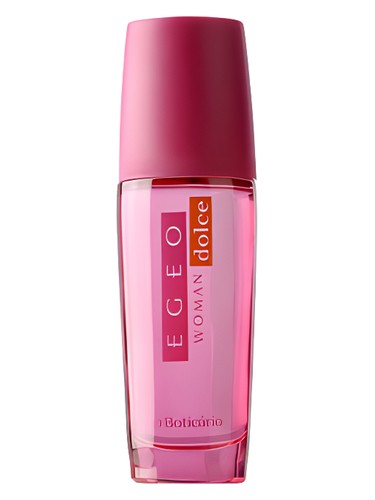
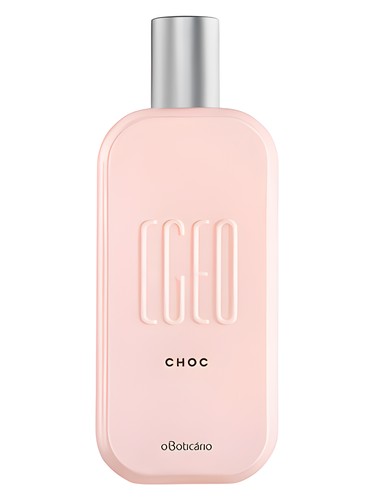
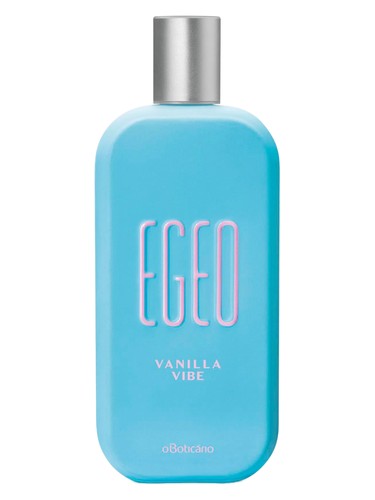
The similar fragrances list reads like a greatest hits of masculine perfumery: Jean Paul Gaultier''s Le Male, Dior''s Sauvage, Azzaro pour Homme. That Portinari holds its own in such company speaks volumes. Against Le Male, Portinari offers more aromatic complexity and less sweetness. Compared to Sauvage''s synthetic ambroxan blast, Portinari feels more traditionally composed and gentler. It shares Azzaro pour Homme''s lavender-forward aromatic DNA but adds more vanilla warmth. Among its Brazilian siblings—Egeo by O Boticário and Essencial Masculino by Natura—Portinari distinguishes itself through sheer compositional ambition.
The Bottom Line
Portinari O Boticário represents something increasingly rare: an affordable fragrance that doesn''t smell cheap. The 3.98 rating from 871 votes isn''t just respectable—it''s impressive for a scent that likely costs a fraction of the designer comparisons it evokes. This is a composition that understands aromatic structure, that respects the wearer''s intelligence, and that delivers consistent performance across multiple seasons and occasions.
Should you try it? If you appreciate aromatic fougères, if you want versatility without blandness, or if you''re simply tired of paying premium prices for mediocre juice, absolutely. Portinari won''t revolutionize your fragrance journey, but it might just become one of those reliable companions you return to again and again—and sometimes, that''s worth more than fleeting innovation.
AI-generated editorial review