First Impressions
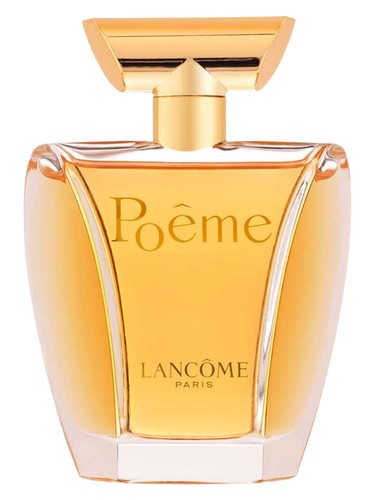
The first spray of Poème transports you to a sunlit garden where narcissus and datura bloom with abandon. This is not a fragrance that whispers—it announces itself with a glorious burst of golden florals, softened by the plush sweetness of peach and plum. There''s an almost narcotic quality to the opening, thanks to those heady white flowers mingling with the exotic Himalayan poppy, a note rarely encountered in perfumery. The citrus elements—mandarin orange and bergamot—attempt to provide brightness, but they''re quickly enveloped by the richer, more indulgent florals. From the very first moment, Poème makes clear its intentions: this is French luxury bottled, unapologetically feminine, and decidedly maximal in its approach.
The Scent Profile
Poème''s structure reads like a love letter written in flowers, with layer upon layer of blooms creating an almost symphonic complexity. The top notes burst forth with that striking combination of narcissus and datura—two flowers known for their intoxicating presence. The stone fruits (peach and plum) lend a velvety, almost edible quality, while black currant adds a tart brightness that prevents the opening from becoming cloying. Green notes provide just enough freshness to keep the composition from feeling heavy, though make no mistake: this is not a light fragrance.
As Poème settles into its heart, the composition reveals its true ambition. This is where the yellow floral accord—the fragrance''s dominant characteristic at 100%—fully blooms. Mimosa brings its powdery, honey-like softness, while tuberose and ylang-ylang contribute their creamy, almost buttery richness. Orange blossom appears both in the heart and base, threading continuity throughout the fragrance''s evolution. Jasmine and freesia add their classical beauty, while rose provides structure. Perhaps most intriguing is the leather note lurking among these blooms, adding an unexpected edge that prevents the composition from becoming too sweet or conventionally pretty.
The base is where Poème reveals its enduring warmth. Vanilla and tonka bean create a comfort-food sweetness, while amber adds golden radiance. Musk provides subtle skin-like intimacy, and cedar offers just enough woody grounding to anchor this floral behemoth. The orange blossom''s persistence into the base notes ensures the fragrance maintains its white floral character (87% according to its accord profile) even as it dries down into something cozier and more embracing.
Character & Occasion
With perfect scores for fall (100%) and near-perfect marks for winter (94%), Poème is unquestionably a cold-weather companion. This makes perfect sense given its rich, enveloping character and substantial projection. The powdery accord (65%) and vanilla notes (52%) create a warmth that feels natural when temperatures drop and you''re wrapped in cashmere and wool. Spring receives a moderate 58%, suggesting Poème can work during the transitional season, particularly on cooler days. Summer, at just 28%, is clearly not this fragrance''s natural habitat—the density and sweetness would likely feel overwhelming in heat.
The day/night split is fascinating: 83% for day versus 90% for night. Poème straddles both occasions admirably, sophisticated enough for daytime wear yet possessing the drama and presence that evening calls for. This is a fragrance for someone who appreciates traditional femininity but isn''t afraid of making a statement. It suits formal occasions beautifully—think gallery openings, dinner parties, or important meetings where you want to project both warmth and authority.
Community Verdict
With a solid 4.01 out of 5 stars from an impressive 12,703 votes, Poème has clearly stood the test of time. Nearly three decades after its 1995 launch, it continues to resonate with a substantial community of wearers. This rating suggests a fragrance that, while perhaps not universally beloved, has found its devoted audience. The large number of votes indicates this isn''t a forgotten relic but a perfume that people continue to discover, purchase, and form opinions about. That consistency in reception speaks to Poème''s quality and the clarity of its vision—you know exactly what you''re getting, and if it''s your style, you''ll likely join those who rate it highly.
How It Compares
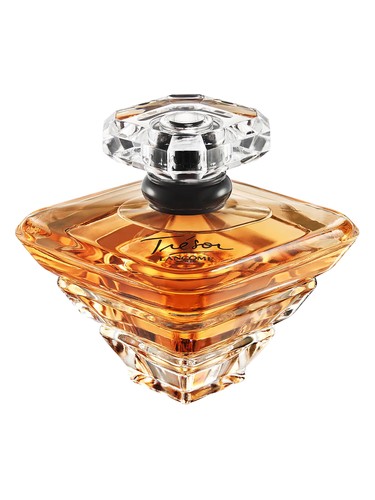
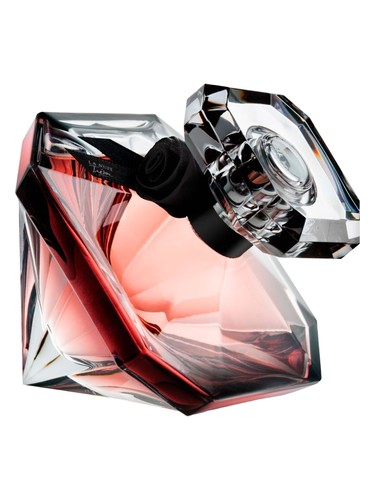
Poème sits comfortably among the grand French florals of its era, sharing DNA with Samsara Eau de Parfum by Guerlain and Trésor by Lancôme (its house sibling). While J''adore by Dior offers a more streamlined, modern take on white florals and Dior Addict goes sweeter and more overtly seductive, Poème maintains a more complex, layered approach. Organza by Givenchy shares its love of opulence and warmth. Where Poème distinguishes itself is in that yellow floral dominance—the narcissus and mimosa give it a character that''s distinctly different from the white-floral-centered compositions that often define this category.
The Bottom Line
Poème is unapologetically itself: rich, complex, feminine, and warm. At nearly 30 years old, it represents a style of perfumery that''s become less common—maximalist, unafraid of sweetness, built for presence rather than subtlety. Its 4.01 rating from over 12,000 voters suggests it delivers exactly what it promises, though it''s clearly not a crowd-pleasing safe bet like some higher-rated classics.
This fragrance deserves exploration if you love substantial florals, appreciate vintage-style French perfumery, or find yourself drawn to powdery, sweet compositions. It''s ideal for those who view fragrance as an accessory rather than a whisper, and who have the confidence to wear something that announces your presence. Skip it if you prefer minimalist scents, avoid sweetness, or live in consistently warm climates. For everyone else, Poème remains a compelling argument that sometimes, more really is more.
AI-generated editorial review