First Impressions
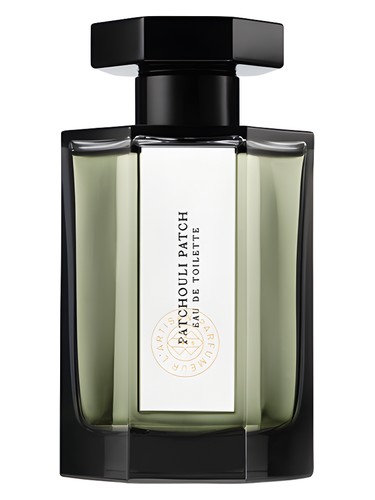
The first spray of Patchouli Patch arrives like stepping into an apothecary cabinet lined with rare botanicals. There''s no hedging here, no coy introduction—this is patchouli in its most forthright declaration, yet rendered with such sophistication that it sidesteps every hippie-oil cliché. The opening reveals an unexpected complexity: caraway and star anise weave through the dominant patchouli accord like aromatic threads in dark velvet, while white musk provides a clean, almost luminous backdrop that keeps the composition from tumbling into overwhelming darkness. This isn''t the sweet, candy-fied patchouli of modern gourmands. L''Artisan Parfumeur presents it as earth itself—mineral-rich, forest-floor damp, ancient and alive.
The Scent Profile
What makes Patchouli Patch compelling is its refusal to follow conventional pyramidal progression. The patchouli that dominates the opening doesn''t fade so much as it shapeshifts, appearing again in the heart alongside white musk, creating an unusual through-line that anchors the entire composition. That spicy caraway-anise introduction gives way surprisingly quickly, making room for the heart''s more delicate players.
Here, osmanthus emerges with its characteristic apricot-suede softness, a gentle counterpoint to patchouli''s earthiness. Iris joins in with its powdery, almost rooty quality—a note that shares patchouli''s love of soil and shadow. The white musk persists, threading through both top and heart, functioning less as a traditional clean note and more as a transparent canvas that allows the darker elements to breathe without becoming oppressive.
The base is where Patchouli Patch reveals its architectural intentions. Sandalwood brings creamy woodiness, vetiver adds its characteristic smokiness and bitter-green freshness, while cedar contributes structural dryness. These three wood notes don''t compete; they create depth and dimensionality, like looking into a forest where you can distinguish individual trees while still perceiving the whole. The overall effect is thoroughly woody—the data shows this accord at maximum intensity—but it''s a refined woodiness, more about textured sophistication than raw lumber.
The fragrance wears close to the skin yet maintains presence, creating an intimate rather than projecting signature. It evolves slowly over hours, the spice gradually fading while the woods gain prominence, the powdery iris becoming more apparent as time passes.
Character & Occasion
Patchouli Patch knows its moment. This is quintessentially an autumn fragrance, perfectly aligned with falling leaves and cooling air. The community data confirms what the nose suggests: it reaches peak wearability in fall, with winter as a close second. Those earthy, woody accords feel natural when the weather turns crisp, when you''re reaching for wool scarves and leather boots.
Spring offers moderate opportunities for wear—perhaps on cooler mornings or evenings when you want grounding rather than bloom. Summer, predictably, is least favorable territory. At 24% summer suitability, this isn''t a fragrance that wants to compete with heat and humidity.
The day/night profile reveals something interesting: while Patchouli Patch performs beautifully during daylight hours (89% suitability), it maintains substantial evening presence (49%). This versatility speaks to its sophisticated restraint. It''s serious enough for professional settings yet possesses sufficient depth for after-dark wear. Think gallery openings rather than nightclubs, dinner parties rather than dance floors.
Marketed as feminine but transcending simple gender categories, this is a fragrance for anyone who appreciates earthy sophistication and isn''t afraid of patchouli''s intensity. It suits those who favor authenticity over crowd-pleasing sweetness.
Community Verdict
With 611 votes yielding a 3.94 out of 5 rating, Patchouli Patch occupies that fascinating space above "good" but shy of "masterpiece." This rating tells a story: this is a fragrance with conviction, one that earns genuine appreciation from those who connect with its aesthetic but doesn''t aim for universal appeal. Nearly four stars suggests a well-executed composition with a specific point of view—precisely what you want from L''Artisan Parfumeur, a house known for artisanal distinctiveness rather than commercial compromise.
The substantial vote count indicates enduring interest more than two decades after its 2002 release, remarkable in an industry obsessed with novelty. People continue discovering and evaluating Patchouli Patch, suggesting it has achieved something rare: staying power without constant reformulation or marketing blitzes.
How It Compares
The comparison list reads like a who''s who of sophisticated dark fragrances. Black Orchid by Tom Ford shares that unapologetic intensity and woody-earthy depth. Encre Noire by Lalique explores similar vetiver-forward territory. Chanel''s Coromandel offers another take on sophisticated patchouli, while L''Artisan''s own Bois Farine and Dzongkha demonstrate the house''s facility with woody compositions.
What distinguishes Patchouli Patch is its straightforwardness. Where some of these comparisons add chocolate, florals, or incense, Patchouli Patch remains committed to its woody-earthy core. It''s more purist statement than complex narrative—and that clarity is precisely its strength.
The Bottom Line
Patchouli Patch succeeds by honoring its namesake note without apology while providing enough supporting architecture to keep it interesting. At nearly four stars with over 600 votes, it has proven itself not just to critics but to actual wearers over more than twenty years. That''s meaningful validation.
This isn''t a safe blind buy for everyone. If you prefer sweet, fruity, or overtly romantic fragrances, Patchouli Patch will feel too austere, too earthy, too much. But if you''re drawn to woody fragrances, if you appreciate patchouli''s complex character, if you want something with substance and staying power that works beautifully during cooler months, this deserves serious consideration. It''s a fragrance that asks you to meet it on its own terms—and rewards those who accept the invitation.
AI-generated editorial review