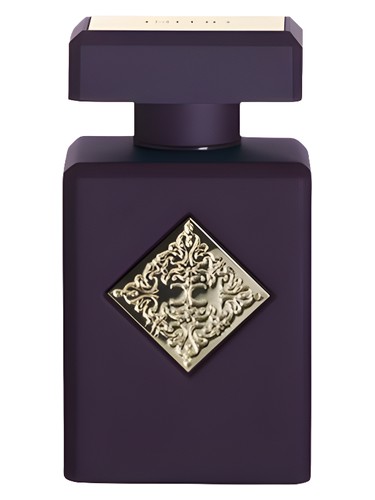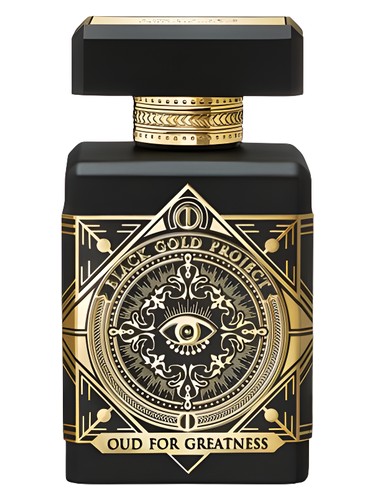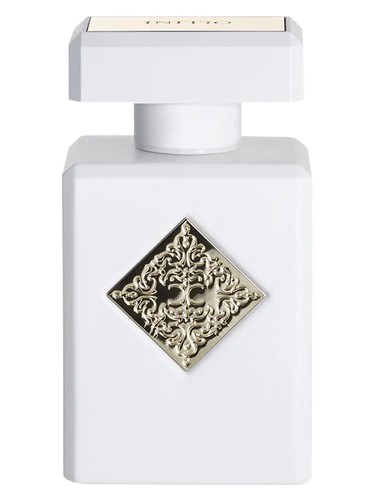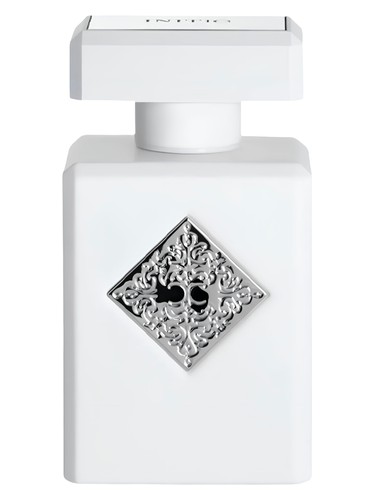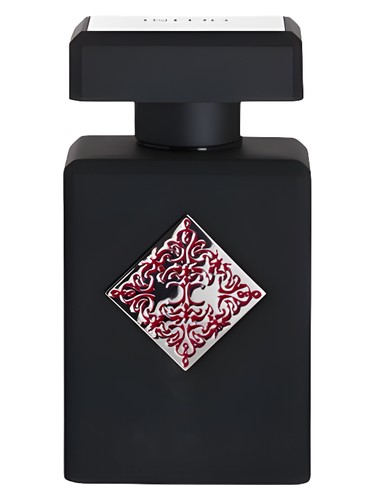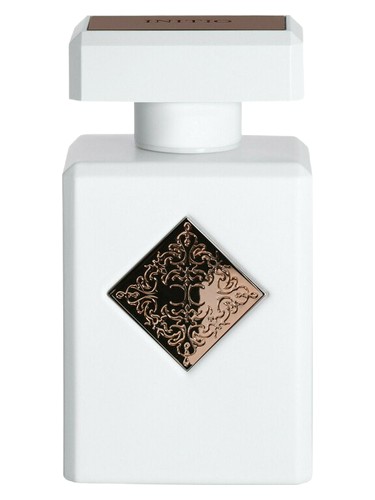
First Impressions
The first spray of Paragon announces itself with the kind of confident contradiction that defines modern niche perfumery. Lavender and sage collide in an aromatic opening that feels simultaneously familiar and alien—there''s something distinctly synthetic hovering at the edges, a metallic shimmer that either intrigues or unsettles depending on your tolerance for the unconventional. This isn''t the soft, pillowy lavender of your grandmother''s sachet drawer. Bergamot provides a citrus brightness that cuts through the herbaceous opening, but even here, there''s an almost futuristic quality to the composition, as if Initio has deliberately stripped away naturalistic warmth in favor of something more architecturally precise.
The Scent Profile
Paragon''s evolution reveals a fragrance built on contrasts. The top notes of lavender, sage, and bergamot create an aromatic-citrus framework that dominates the opening fifteen minutes. The lavender here reads clean and slightly medicinal, while sage adds an earthy, almost saline quality. Bergamot''s citrus brightness provides necessary lift, preventing the opening from becoming too heavy or soporific.
As the heart emerges, the composition takes an unexpected turn. Plum introduces a fruity sweetness that feels oddly synthetic against the aromatic backdrop—not the jammy, naturalistic plum of gourmand fragrances, but something more abstract and conceptual. Palo Santo brings its characteristic woody-resinous quality, lending spiritual depth and a whisper of smoke. Black pepper adds the promised fresh-spicy accord, creating tiny explosions of heat that animate the middle phase.
The base is where Paragon''s woody character (that perfect 100% accord rating) truly dominates. Sandalwood and agarwood form a creamy-yet-animalic foundation that should feel luxurious, and in many ways does. The oud here isn''t the barnyard-intense variety—it''s polished, refined, but still carrying that polarizing synthetic quality that runs through the entire composition. The wood notes create impressive longevity, anchoring the fragrance for hours while the aromatic and fruity elements gradually fade into memory.
Character & Occasion
Paragon proves remarkably versatile in its wearing occasions, even if its character remains divisive. The data reveals this as primarily a fall fragrance (100% seasonal suitability), though it transitions beautifully into spring (89%) and winter (87%). Only summer shows hesitation at 51%—understandable given the woody intensity and aromatic weight that might feel oppressive in heat.
The day-to-night split (86% day, 80% night) suggests a fragrance that refuses to be boxed into a single wearing scenario. The aromatic freshness and citrus elements make it perfectly appropriate for daytime wear, while the oud and sandalwood base give it enough gravitas for evening occasions. This is a fragrance marketed as feminine, yet its woody-aromatic profile skews more traditionally unisex or even masculine—perhaps explaining why some community members suggest it''s best appreciated when worn by others rather than on oneself.
Community Verdict
The Reddit fragrance community approaches Paragon with notable ambivalence, reflected in a sentiment score of 6.5 out of 10—not quite love, not quite disappointment. The 4.27 rating from 3,554 voters suggests broader appreciation, but the community feedback reveals important caveats.
On the positive side, commenters consistently praise Paragon''s interesting and unique scent profile. Good longevity and projection earn mentions, as does its appeal for those seeking unconventional fragrances. These aren''t faint compliments—they speak to a fragrance that commits fully to its vision, however polarizing.
The criticisms, however, cut deeper. The synthetic and metallic character isn''t just mentioned—it''s emphasized repeatedly as a defining (and for many, off-putting) characteristic. The extremely high price point generates significant friction, particularly when combined with limited availability and expensive sample costs. This creates a catch-22: the fragrance demands to be experienced, but experiencing it requires substantial financial commitment.
Community consensus suggests Paragon works best for niche fragrance collectors and those seeking experimental scents. Tellingly, several commenters note it''s more intriguing when worn by others—suggesting an intellectual appreciation that doesn''t quite translate to personal wearing pleasure.
How It Compares
Paragon sits in sophisticated company. Its similarities to Rehab (also by Initio), Layton by Parfums de Marly, Tom Ford''s Oud Wood, Nishane''s Ani, and Xerjoff''s Torino21 place it firmly in the luxury niche category where woody-aromatic compositions reign. Against these comparisons, Paragon distinguishes itself through its pronounced synthetic character and the unusual pairing of aromatic lavender with oud—a combination that feels more experimental than its polished competitors. Where Oud Wood offers approachable luxury and Layton delivers crowd-pleasing sophistication, Paragon demands more from its wearer and audience alike.
The Bottom Line
Paragon earns its 4.27 rating through sheer audacity rather than universal appeal. This is a fragrance that prioritizes artistic vision over mass appeal, metallic precision over naturalistic warmth. At Initio''s luxury price point, that''s a difficult proposition—especially when sampling proves costly and accessibility remains limited.
Who should seek out Paragon? Collectors who appreciate challenging compositions, those whose noses have grown bored with conventional luxury, and anyone intrigued by the intersection of traditional perfumery materials (oud, sandalwood, lavender) with distinctly modern synthetic techniques. If you prefer your fragrances naturalistic, crowd-pleasing, or easy to wear, Paragon will likely frustrate rather than fascinate.
The fragrance succeeds as an intellectual exercise and a conversation piece. Whether that justifies the investment depends entirely on whether you''re collecting experiences or seeking daily pleasure. Paragon offers plenty of the former, but the community suggests the latter remains elusive.
AI-generated editorial review