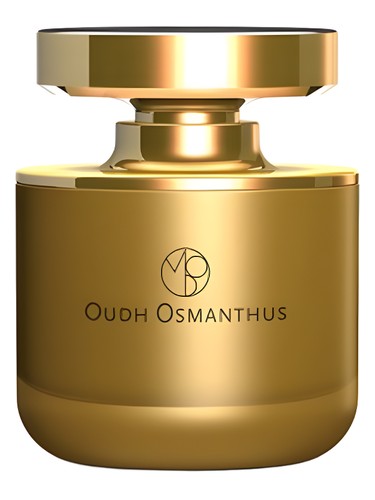
First Impressions
The first spray of Oudh Osmanthus delivers an unexpected greeting—not the medicinal slap or barnyard funk that many oud fragrances announce themselves with, but something gentler and infinitely more intriguing. A bright citrus-green brightness emerges first, petitgrain and green mandarin dancing with the resinous snap of elemi. It''s almost jarring in its approachability, this opening that seems to ask: who says oud can''t smile?
Within moments, though, you sense the depth lurking beneath. There''s a fruity undertone already beginning to emerge, apricot-sweet and velvety, signaling the osmanthus that will soon take center stage. This is Mona di Orio''s genius at work—the late perfumer had an uncanny ability to make challenging ingredients feel like they''d always belonged in your collection. Here, she''s created an oud fragrance that doesn''t intimidate, yet never compromises on complexity.
The Scent Profile
The opening act of petitgrain, elemi, and green mandarin creates a bright, aromatic canopy that feels both fresh and slightly medicinal in the best possible way. The elemi brings a lemony-pine quality that keeps things lifted, while the green mandarin provides just enough citrus sparkle to prevent any heaviness from settling in too soon. This phase is fleeting—perhaps fifteen to twenty minutes—but it establishes an essential contrast for everything that follows.
As the fragrance settles into its heart, osmanthus takes command with its characteristic apricot-leather duality. This is where Oudh Osmanthus reveals its true character: neither purely floral nor strictly woody, but an intricate conversation between the two. The osmanthus here reads as surprisingly fruity (the 76% fruity accord rating makes perfect sense), with that jammy apricot quality that lovers of this flower know well. But Mona di Orio doesn''t let it turn syrupy. The cypriol oil—also known as nagarmotha—adds an earthy, slightly smoky wood note that grounds the sweetness, while patchouli weaves through with its chocolate-dark richness.
The base is where the oud finally makes its full declaration, though even here it remains remarkably refined. The agarwood is present and unmistakable (that 88% oud accord rating doesn''t lie), but it''s buffed smooth by atlas cedar and softened by musk and ambergris. This isn''t the challenging, acquired-taste oud of some niche creations. Instead, it''s a woody foundation that feels warm, almost sensual, with just enough of that characteristic oud resinousness to remind you why this ingredient commands such devotion. The amber-musk base creates a skin-like quality that makes the fragrance feel intimate despite its complexity.
Character & Occasion
The community data tells a clear story: Oudh Osmanthus is a fall and winter fragrance first and foremost, with perfect scores for autumn wear and 81% for winter. This makes intuitive sense when you consider its woody-oud dominance and its enveloping warmth. Those fruity-floral elements prevent it from feeling too heavy even in cold weather, but there''s no denying this is a fragrance that thrives when the temperature drops.
Interestingly, while it scores 64% for daytime wear, it truly comes alive at night (84%), which speaks to its sophistication and depth. This isn''t a boardroom power fragrance—it''s too soft-spoken for that. Instead, picture it for evening dinners, gallery openings, intimate gatherings where you want to smell expensive without broadcasting it across the room. The 43% spring rating suggests it could work in cooler spring weather, but that 26% summer score is a clear warning: save this one for when you need a coat.
Though marketed as feminine, the woody-oud dominance and aromatic qualities give it genuine unisex appeal. Those who love sophisticated, non-traditional florals will find much to appreciate here, particularly if you already have a relationship with oud or woody fragrances.
Community Verdict
With a rating of 4.26 out of 5 from 650 votes, Oudh Osmanthus sits comfortably in "highly regarded" territory. This isn''t a cult phenomenon with a small band of devotees, nor is it a mainstream crowd-pleaser—the vote count and rating suggest a fragrance that''s found its audience among those who appreciate technical perfumery and aren''t afraid of challenging ingredients presented in wearable ways.
The rating reflects what the fragrance delivers: consistent quality, genuine artistry, and a unique take on oud that manages to feel both approachable and uncompromising. It''s the kind of score that suggests "definitely worth exploring" rather than "must-buy blind," which feels appropriate for a fragrance this nuanced.
How It Compares
The similar fragrances list reads like a who''s-who of sophisticated woody scents: Tom Ford''s Oud Wood, Serge Lutens'' Fille en Aiguilles, Amouage''s Epic Woman, Tom Ford''s Black Orchid, and Tauer''s L''Air du Desert Marocain. What Oudh Osmanthus shares with these is a refusal to play it safe—these are all fragrances that demand something from the wearer.
Where it distinguishes itself is in that osmanthus-oud marriage. While Oud Wood goes for creamy woods and spices, and Epic Woman layers dense florals and incense, Oudh Osmanthus finds a middle path that feels uniquely its own. That apricot-fruity quality gives it a softer, more approachable character than some of its companions, while still maintaining the woody-oud backbone that defines the category.
The Bottom Line
Oudh Osmanthus represents Mona di Orio''s vision at its finest: take challenging luxury ingredients and compose them into something that feels both wearable and uncompromising. At 4.26 out of 5, the community consensus confirms this isn''t just perfume enthusiast wishful thinking—this is a genuinely accomplished fragrance.
The question isn''t whether it''s good (it is), but whether it''s right for you. If you''re intimidated by oud, this could be your gateway. If you love osmanthus but find pure florals too simple, this offers the complexity you crave. If you want something special for cold-weather evenings that won''t smell like everyone else''s fragrance choice, this delivers.
The investment may be significant (Mona di Orio occupies the luxury tier), but for those seeking an oud fragrance that whispers rather than shouts, that pairs precious woods with unexpected fruity-floral sweetness, Oudh Osmanthus proves itself worthy of consideration. Just make sure you''ve got the right season—and the right occasion—to let it bloom.
AI-generated editorial review