First Impressions
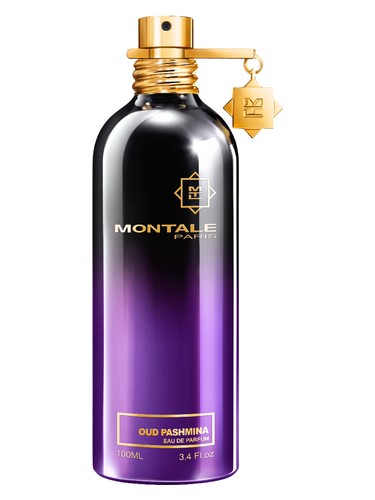
The first spray of Oud Pashmina feels like stepping into a dimly lit salon draped in silk tapestries, where rose petals have been crushed into antique wooden furniture. This is Montale doing what Montale does best: delivering unapologetic oud with the volume turned up to eleven. The name promises softness—pashmina evokes cashmere whispers and gentle draping—but the reality is far more commanding. Within seconds, a cloud of smoky, resinous oud billows forth, tempered by the velvet touch of rose and the sweet embrace of vanilla. It''s immediately clear this isn''t a fragrance that knows how to whisper.
The composition announces itself with confidence bordering on audacity, a trait that has earned it both devoted admirers and wary skeptics since its 2021 release. With a solid 4.13 out of 5 rating from 485 voters, Oud Pashmina occupies that fascinating middle ground: respected for its quality, yet clearly not for everyone.
The Scent Profile
Without specified note breakdowns in traditional pyramids, Oud Pashmina reveals itself through its dominant accords, and the story they tell is one of dramatic contrasts softened by gourmand warmth.
Oud commands the stage at full strength—the accord registers at 100%—and it''s the kind of oud that doesn''t apologize for its smoky, animalic character. This isn''t sanitized or tamed; it''s richly woody with that distinctive medicinal-leathery edge that separates genuine oud lovers from casual admirers. But Montale knows better than to let oud stand alone in such intensity.
Rose arrives as oud''s companion at 89%, creating that classic Middle Eastern pairing that''s been intoxicating perfume lovers for centuries. The rose here reads as deep and slightly jammy, the kind that''s been steeped in syrup rather than picked fresh from the garden. Together, oud and rose create a foundation that''s simultaneously austere and opulent.
The sweetness becomes more pronounced as vanilla enters at 56%, rounding sharp edges and adding a comforting gourmand dimension. This vanilla isn''t bright or cupcake-sweet; it''s the creamy, almost smoky vanilla of aged wood and precious resins. The musky accord (42%) adds skin-like warmth and depth, while a powdery quality (38%) softens everything with an almost cosmetic elegance—think expensive face powder in a vintage compact. A subtle floral accord (27%) fills in the gaps, suggesting additional flowers without naming them explicitly.
The progression isn''t so much a journey from top to base as it is a slow unveiling, where all these elements exist from the start but shift in emphasis over hours of wear.
Character & Occasion
The seasonal data tells an unambiguous story: Oud Pashmina is a cold-weather creature through and through. Fall scores 100%, winter hits 99%, and then there''s a precipitous drop to spring at 55% and summer at a mere 23%. This is a fragrance that belongs to crackling fires, wool coats, and evenings when breath turns to mist.
The day/night split is equally revealing: 42% day versus 90% night. While you can wear Oud Pashmina during daylight hours, it truly comes alive after dark. This is date night, opera opening, intimate dinner party territory. The sillage and projection—frequently mentioned in community feedback—make it better suited to occasions where personal space is measured in feet rather than inches.
This skews feminine in marketing, but the oud-rose combination transcends traditional gender boundaries. Anyone drawn to rich, assertive oriental fragrances will find something to love here, provided they''re comfortable making an olfactory statement.
Community Verdict
The Reddit fragrance community''s sentiment sits at 6.5 out of 10—decidedly mixed—and the feedback reveals why. Based on 19 opinions, a clear pattern emerges.
The pros are substantial: users consistently praise the strong performance and longevity (this is a fragrance that will outlast your evening and greet you again the next morning on your clothes). The quality of the oud-based composition earns respect, and its memorable, distinctive profile ensures you won''t smell like anyone else in the room.
But those strengths become weaknesses depending on perspective. The very strong projection that oud enthusiasts celebrate can overwhelm in close quarters—think crowded elevators or small meeting rooms. The niche price point puts it out of reach for casual purchases. Most tellingly, the limited discussion volume suggests this is a polarizing scent that hasn''t captured mainstream imagination.
The community consensus points toward specific use cases: evening wear and special occasions, cold weather and formal events, and particularly fragrance collectors and dedicated oud enthusiasts. This isn''t a daily driver for most people; it''s a statement piece.
How It Compares
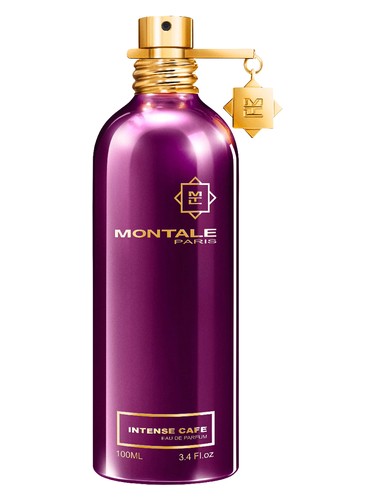
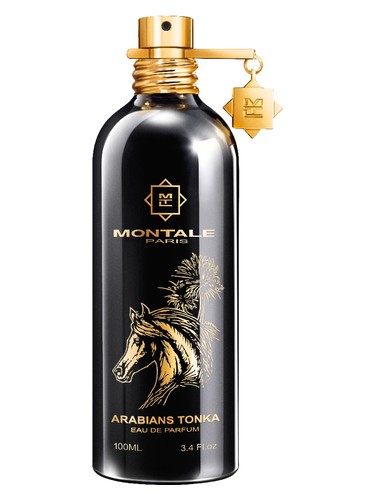
Montale positions Oud Pashmina among illustrious company. The most obvious comparison is Maison Francis Kurkdjian''s Oud Satin Mood, which explores similar oud-rose-vanilla territory with arguably more refinement and restraint. Within Montale''s own lineup, it shares DNA with Intense Cafe (the sweet warmth), Arabians Tonka (the gourmand oud approach), and Honey Aoud (the oud-sweetness marriage). Nishane''s Ani offers another perspective on powdery-sweet oriental compositions.
Where Oud Pashmina distinguishes itself is in its particular balance—or deliberate imbalance. It pushes harder than Oud Satin Mood, emphasizes rose more than Honey Aoud, and maintains more austerity than the overtly gourmand Intense Cafe.
The Bottom Line
Oud Pashmina is a fragrance that demands consideration of context. At 4.13 out of 5 stars from nearly 500 voters, it''s clearly well-made and beloved by its target audience. The performance is undeniable—you''ll get your money''s worth in longevity and projection.
But that 6.5/10 community sentiment score tells the other half of the story. This is a love-it-or-leave-it proposition. If you''re building an oud collection, appreciate powerhouse projection, and wear fragrance as an extension of personality rather than a subtle accessory, Oud Pashmina deserves a test drive. If you prefer intimate scents, gravitating toward fresh or light compositions, or need versatility for various settings, look elsewhere.
The value proposition depends entirely on how often you''ll realistically wear it. For the right person—the oud devotee seeking a rose-sweetened variation, the cold-weather fragrance collector, the evening-occasion specialist—this is a worthy investment. For everyone else, it might be a bottle that sits admired but rarely worn, and that''s the most expensive kind of purchase.
Sample first, ideally in the evening during autumn or winter. If you find yourself reaching for that sample repeatedly despite—or because of—its intensity, you''ve found your fragrance. If you''re relieved when it finally fades, you''ve saved yourself a costly mistake.
AI-generated editorial review