First Impressions
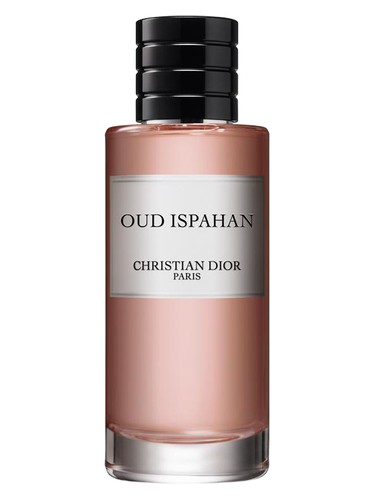
The first spray of Oud Ispahan feels like stepping into a sultan''s private chamber, where crimson rose petals have been scattered across aged sandalwood furniture and the air hangs thick with resinous labdanum. This is not the bright, dewy rose of a spring garden—this is the rose after dark, steeped in amber warmth and wrapped in smoky, precious wood. Launched in 2012 as part of Dior''s La Collection Privée, Oud Ispahan arrived during the Western perfume world''s fascination with Middle Eastern fragrance traditions, but rather than simply appropriating oud''s mystique, Dior created something that speaks fluent French while whispering in Arabic.
The opening is immediate and unapologetic: labdanum provides a sticky, resinous sweetness that acts as a golden backdrop for everything to come. There''s no tentative introduction here, no polite small talk. Within moments, you understand this fragrance''s intentions—opulence, depth, and an almost theatrical richness that demands attention.
The Scent Profile
Labdanum dominates the top notes with its amber-like warmth, but this phase is mercifully brief. The true heart of Oud Ispahan reveals itself within minutes as a trinity of rose, patchouli, and saffron takes center stage. The rose here is the star performer—accounting for 95% of the accord profile—but it''s a rose transformed. Imagine Damascene roses that have been dried, concentrated, and infused with saffron''s metallic, slightly leathery spice. The patchouli adds earthy depth without veering into head-shop territory, grounding the composition with a dark, chocolate-tinged richness.
The saffron deserves special mention. It provides that unmistakable warm spicy accord (rating at 50%), lending an almost medicinal sharpness that cuts through the sweetness and prevents the rose from becoming cloying. This is the element that makes you lean in closer, trying to decode the complexity.
As Oud Ispahan settles into its base—and it takes its time, with reported longevity exceeding eight hours—the woody triumvirate of agarwood, sandalwood, and cedar emerges. The oud itself, which defines the fragrance at 100% accord presence, is notably refined rather than animalic. This is polished oud, the kind that has been smoothed and civilized for Western sensibilities. The sandalwood adds a creamy texture, while cedar provides structural backbone. Together, they create a woody accord rated at 94%, ensuring that even hours into wear, Oud Ispahan maintains its architectural presence rather than collapsing into a simple skin scent.
Character & Occasion
The data speaks unequivocally: this is a cold-weather fragrance. With a perfect 100% winter rating and 85% for fall, Oud Ispahan is fundamentally a creature of cooler months. Attempting to wear this in summer''s heat (rated at only 18%) would be an exercise in olfactory overwhelm—the richness that feels luxurious in December becomes suffocating in July.
The day/night split is equally telling: 45% day versus 96% night. While you could certainly wear Oud Ispahan during daylight hours, it truly comes alive after sunset. This is a fragrance for candlelit dinners, gallery openings, theater performances—occasions where its intensity feels proportionate to the setting. The projection and sillage are substantial enough that you''ll want space around you for the fragrance to breathe and announce itself.
Though marketed as feminine, the community rightly identifies its unisex appeal. The combination of rose and oud transcends traditional gender boundaries, and anyone drawn to rich, woody orientals will find something to love here.
Community Verdict
With a sentiment score of 8.2 out of 10 based on 13 Reddit opinions, Oud Ispahan enjoys considerable admiration. The praise centers on several concrete strengths: that exceptional 8+ hour longevity means this is a fragrance that earns its luxury price tag through sheer stamina. Users consistently report receiving compliments, and many consider it signature-fragrance material—the kind of scent that becomes part of your identity.
The complexity of the oud profile garners particular appreciation. This isn''t a one-dimensional woody scent; it''s a fragrance that reveals different facets throughout its long wear time.
However, the community is candid about limitations. The heaviness that makes it perfect for winter renders it "too much" for warmer weather. The price point—this is Dior''s luxury tier, after all—drives many to seek alternatives, with Frank Oliver''s Oud Touch frequently mentioned as coming "90% close at a fraction of the cost."
Perhaps most interesting is the note about formulation changes since the 2012 launch. Early adopters report that the original version featured more pronounced "barnyard" notes—that funky, animalic quality true oud can possess. The current formulation has apparently been smoothed out, making it more accessible but potentially less distinctive to oud purists.
How It Compares
Oud Ispahan exists in rarified company. It shares DNA with Tom Ford''s Oud Wood (another polished, Western take on oud) and finds kinship with Portrait of a Lady by Frederic Malle, which also features rose and patchouli in luxurious concert. Noir de Noir and Jubilation XXV represent the darker, more opulent end of this spectrum, while Baccarat Rouge 540 offers a more modern, crystalline interpretation of amber and wood.
What distinguishes Oud Ispahan is its particular balance—it''s richer than Oud Wood but more wearable than Jubilation XXV, more traditionally structured than Baccarat Rouge 540, yet more distinctive than many rose-oud compositions flooding the market.
The Bottom Line
With a rating of 4.08 out of 5 from 2,541 votes, Oud Ispahan has clearly resonated with a broad audience. This isn''t a niche darling appreciated by only a select few—it''s a widely admired fragrance that delivers on its luxury promises.
Should you buy it? If you''re an oud enthusiast seeking a refined, wearable interpretation of this precious material, absolutely. If you live for cold-weather fragrances and regularly attend evening events where a bold scent feels appropriate, Oud Ispahan deserves a place in your rotation. Those seeking compliments and longevity will find both in abundance.
However, if you prefer fresh, light fragrances, or if you live in a perpetually warm climate, this probably isn''t your scent. The price may also give pause, and the community is right to suggest exploring alternatives if budget is a concern.
Ultimately, Oud Ispahan succeeds at what it set out to do: create a bridge between Eastern fragrance traditions and Western luxury perfumery, wrapped in rose petals and finished with Dior''s unmistakable polish.
AI-generated editorial review