First Impressions
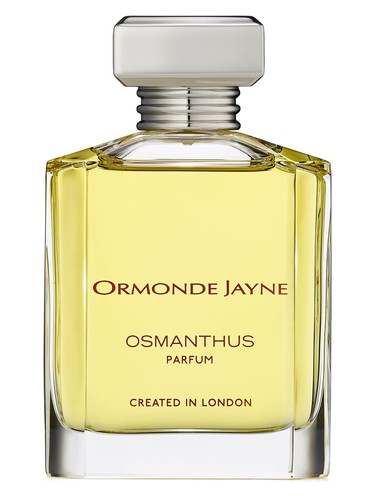
The first spray of Ormonde Jayne''s Osmanthus arrives with promise—a bright citrus burst of pomelo mingles with the herbal whisper of artemisia and a touch of pimento''s warmth. For a fleeting moment, there''s the anticipation of what should unfold: the delicate apricot-suede character that osmanthus flower is revered for, that particular alchemy between fruit and floralcy that has captivated perfumers for centuries. But something lurks beneath this opening, something the brand''s elegant 2006 composition didn''t intend. Where there should be luminous petals and sunshine, a disquieting undertone begins to emerge—one that has proven impossible for many wearers to ignore.
The Scent Profile
The architecture of Osmanthus reads beautifully on paper. That opening citrus-aromatic trio—pomelo''s pink-grapefruit brightness, artemisia''s silvery bitterness, and pimento''s spicy-green accent—sets a stage for what should be a sophisticated warm-weather floral. As the composition transitions into its heart, osmanthus takes center stage alongside the aquatic coolness of water lily and the indolic richness of jasmine sambac. This triumvirate theoretically balances transparency with depth, freshness with sensuality.
The base notes ground the composition with classic refinement: vetiver''s earthy smokiness, cedar''s dry woodiness, creamy musk, and the amber-resinous warmth of French labdanum. It''s a foundation built to support rather than overwhelm, allowing those delicate floral middle notes to remain the star.
Yet in practice, something disrupts this carefully constructed harmony. The dreamy peach-apricot facets that osmanthus absolute typically provides become obscured by what numerous wearers describe as a stale, sour creaminess—an accord that reads less like expensive floral and more like inexpensive body lotion left too long in a humid bathroom. Whether this stems from particular aromachemicals interacting poorly with certain skin chemistries, storage degradation, or formulation instability remains unclear, but the effect is undeniable for a significant portion of those who encounter it.
Character & Occasion
By design, Osmanthus positions itself as the quintessential warm-weather daytime fragrance. The data confirms this intention: it scores perfectly for summer wear (100%) and nearly as strongly for spring (95%), while dropping precipitously for fall (40%) and winter (16%). This is decidedly a daylight composition, registering 97% for day wear versus just 20% for evening occasions.
The dominant floral accord (100%) supported by substantial citrus (70%) and fruity (47%) elements creates what should be an ideal companion for sun-drenched garden parties, outdoor brunches, or professional settings where you want to project approachability without overwhelming. The fresh (41%) and aromatic (46%) facets suggest this was conceived for the woman who appreciates complexity but requires wearability—someone who moves between meetings and leisure with effortless grace.
The woody base (38%) provides just enough structure to prevent the composition from becoming too ephemeral, theoretically making it suitable for transitional spring days when you need something with substance but not weight.
Community Verdict
Here''s where the story takes a stark turn. Despite its respectable overall rating of 3.86 out of 5 from 1005 votes, the Reddit fragrance community tells a notably different story, with a negative sentiment score of just 3.5 out of 10 based on detailed feedback.
The recurring complaint centers on that problematic undertone: "stale, sour, rancid," "cheap body lotion," and "creamy sourness" appear repeatedly in community descriptions. Rather than experiencing the intended dreamy peach character of quality osmanthus, wearers report something that smells spoiled or poorly formulated. Multiple community members raise legitimate questions about ingredient stability or potentially problematic aromachemicals.
The pros acknowledged by the community are measured: it''s an interesting concept from a respected niche house known for quality compositions. The osmanthus idea itself holds merit. But these positives are thoroughly overshadowed by the execution issues that dominate the wearing experience for many.
This disconnect between the broader rating base and the detailed community feedback suggests either batch variations, storage problems affecting certain bottles, or significant skin chemistry interactions that make this fragrance highly polarizing.
How It Compares
Osmanthus sits in a category alongside Un Jardin Sur Le Nil by Hermès, which similarly explores green-floral freshness with aquatic elements, and shares DNA with Ormonde Jayne''s own Frangipani and Champaca—part of the brand''s exploration of individual floral showcases. It''s also positioned near Narciso Rodriguez For Her and Amouage''s Sunshine Woman, both of which navigate the territory between clean florals and woody musks.
Where those comparisons succeed in their executions—Hermès delivers that Nile-garden freshness without sourness, Rodriguez achieves clean musk without veering into laundry detergent—Osmanthus appears to stumble. For a niche house charging premium prices, the comparison becomes particularly unflattering when the community consensus describes something smelling "cheap."
The Bottom Line
Osmanthus by Ormonde Jayne presents a fascinating case study in the gap between intention and reception. On paper and in early moments, it promises everything a sophisticated warm-weather floral should deliver. The note selection is intelligent, the seasonal positioning spot-on, and the brand''s reputation for quality gives every reason to expect excellence.
Yet the community data reveals a fragrance struggling with fundamental execution issues that compromise the wearing experience for a significant portion of its audience. When multiple independent voices report the same stale, sour characteristics, it transcends subjective preference and suggests genuine formulation concerns.
Should you try it? If you have access to a tester, absolutely—if only to determine which side of this divide your chemistry falls on. Some may experience the intended osmanthus beauty. But approach with realistic expectations and healthy skepticism. At niche pricing, you deserve a fragrance that delivers on its promises consistently, not one that gambles with your skin chemistry and potentially delivers the olfactory equivalent of spoiled cream.
For those seeking reliable osmanthus fragrances, consider exploring the similar options mentioned—particularly Un Jardin Sur Le Nil—before committing to this problematic composition.
AI-generated editorial review