First Impressions
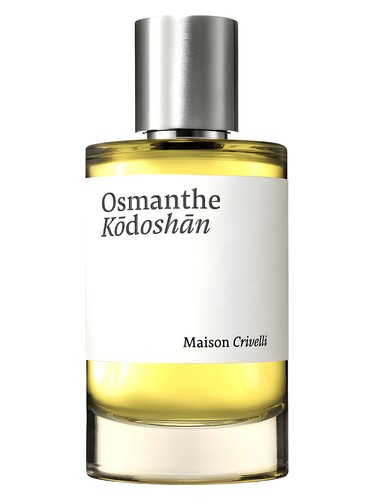
The name whispers of delicate osmanthus blossoms, that precious flower known for its apricot-tinged sweetness. Yet the first spray of Osmanthe Kodoshan tells an entirely different story—one that confounds, intrigues, and occasionally frustrates in equal measure. This is nominally a floral fragrance (the data confirms it at 100% on the floral accord), but it wears its classification like a rebellious uniform, simultaneously conforming and subverting what that label typically promises. Instead of the expected petal-soft opening, you''re greeted with something far more assertive: a cardamom-forward spice that announces itself with confidence, backed by an unexpected leather undertone that has no business appearing in a flower-named fragrance. And yet, here we are.
The Scent Profile
Without specified note breakdowns from Maison Crivelli, we must read Osmanthe Kodoshan through its accords and community observations—and what a revealing portrait they paint. The dominant floral accord sits at the foundation, but it''s immediately tempered by soft spicy notes at 83%, creating an opening that feels more marketplace than garden. That cardamom accord drives the first act, warm and aromatic, with fresh spicy undertones (48%) adding brightness without sacrificing complexity.
As the fragrance develops, the fruity accord (68%) begins to emerge—likely that characteristic apricot-leather facet of osmanthus finally making its appearance, though commenters note the floral presence remains surprisingly minimal throughout the wear. The anise accord (64%) weaves through the composition, adding a subtle licorice-like sweetness that either harmonizes or clashes, depending on your skin chemistry and personal tolerance.
The journey into the base is where opinions diverge most sharply. A patchouli accord (36%) provides earthy grounding, and the leather-cardamom pairing that defined the opening evolves into something woodier and more settled. However, this is also where the composition reveals its potentially problematic nature: a heavy dose of Iso E Super creates a synthetic sweetness in the dry down that community members describe as persistent—sometimes too persistent. This molecular component, beloved by many modern perfumers for its velvety woody-ambery character, here becomes the fragrance''s double-edged sword: adding longevity and diffusion while potentially overwhelming the more nuanced elements.
Character & Occasion
The data speaks clearly about Osmanthe Kodoshan''s ideal timing: this is a transitional season performer, scoring 96% for fall and 90% for spring. Those shoulder seasons, with their temperature fluctuations and inherent neither-here-nor-there quality, provide the perfect backdrop for this fragrance''s own contradictory nature. Summer receives a respectable 62%, suggesting it can handle moderate warmth, while winter''s mere 28% indicates this isn''t built for serious cold—perhaps the spice-forward opening reads too autumnal against snow and frozen air.
The day/night split is even more pronounced: 100% day wear versus just 28% night. This is unequivocally a daylight fragrance, its spiced-floral character more suited to natural light and casual settings than evening glamour. Despite its feminine classification, the leather-cardamom profile and minimal floral presence make it an excellent candidate for those seeking unisex or even masculine-leaning options. The community specifically highlights it as ideal for individuals sensitive to traditional florals—a flower fragrance for people who don''t typically like flower fragrances.
Community Verdict
The Reddit community''s mixed sentiment (6.5/10) tells a story of appreciation tempered by significant reservations. On the positive side, reviewers praise the interesting leather-cardamom combination as genuinely unique in a crowded market. The minimal floral presence earns specific commendation from those fatigued by predictable rose-jasmine-peony compositions. The dry down''s developing woodiness receives acknowledgment from those patient enough to wait through the evolution.
However, the cons list reads like warning labels. That Iso E Super-heavy synthetic sweetness in the base proves divisive—some find it comfortably enveloping, others describe it as cloying and artificial. More concerning are reports that the fragrance proves difficult to scrub off, its tenacity crossing from virtue into nuisance territory for those who decide midday that they''ve made a mistake. The polarizing nature of the scent profile means this isn''t a safe blind buy; sampling is essential.
The consensus: cautiously mixed. This is a fragrance that demands your attention and may not reward it, depending entirely on your personal chemistry and preferences.
How It Compares
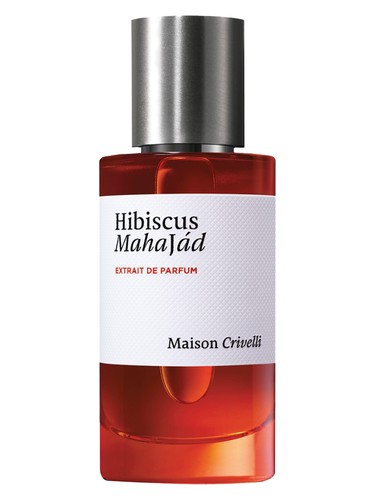
Within Maison Crivelli''s own lineup, Osmanthe Kodoshan shares DNA with Hibiscus Mahajád, Lys Sølaberg, and Bois Datchaï—all demonstrating the house''s tendency toward florals that don''t behave as expected. The comparison to Nishane''s Ani makes sense given shared spice-forward warmth, while the Tom Ford Black Orchid reference speaks to that dark, slightly indolic quality that both fragrances can project.
What distinguishes Osmanthe Kodoshan is its refusal to commit fully to any one identity. It''s not quite leather, not quite floral, not quite gourmand—existing instead in the spaces between categories.
The Bottom Line
At 3.47 out of 5 stars from 358 voters, Osmanthe Kodoshan sits firmly in "interesting but imperfect" territory. This isn''t a crowd-pleaser, nor does it aspire to be. It''s a conversation piece, a challenge, a fragrance that asks you to reconsider what floral can mean.
Who should try it? Those bored by conventional florals, anyone intrigued by leather-spice combinations, and people whose skin chemistry plays well with Iso E Super. Who should avoid it? Lovers of pretty, uncomplicated florals, anyone with sensitivity to synthetic molecules, and those seeking an easy, versatile daily wear.
Sample first, wear all day, and don''t make decisions based on the first hour alone. Osmanthe Kodoshan reveals itself slowly—and whether that revelation delights or disappoints will be entirely personal.
AI-generated editorial review