First Impressions
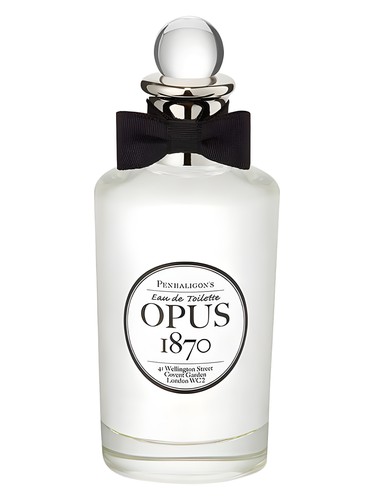
The first spray of Opus 1870 delivers what feels like a perfectly preserved artifact from another century—but not in the dusty, museum-piece sense. This is Victorian London reimagined through a contemporary lens: a sharp burst of pepper and yuzu cuts through the air, joined immediately by the resinous warmth of juniper and cardamom. There''s an old-world apothecary quality here, as if someone raided a spice merchant''s cabinet and a gentleman''s grooming kit simultaneously. The bergamot adds brightness without sweetness, while pink and black pepper create a sophisticated tingle that announces your presence without shouting. This is refinement with an edge, tradition with pulse.
The Scent Profile
The opening is a masterclass in fresh spice construction. That yuzu-pepper combination proves unexpectedly harmonious—the Japanese citrus adding an almost green, zesty quality that prevents the pepper notes from becoming too harsh or monotonous. Coriander weaves through with its slightly soapy, aromatic character, while juniper brings a gin-like crispness that keeps everything transparent despite the density of ingredients. The cardamom adds subtle green sweetness, rounding out what could otherwise be an aggressive start.
As Opus 1870 settles into its heart, the composition takes a decidedly more contemplative turn. Incense emerges as the central player, bringing that characteristic church-like solemnity without becoming overtly religious or austere. Rose appears not as a floral flourish but as a subtle pink glow beneath the smoke, adding texture and a whisper of romance to the proceedings. Cinnamon introduces warmth without veering into gourmand territory—this is bark and spice rack, not cinnamon rolls. The orris root contributes a powdery, almost violet-like elegance that bridges the fresh opening and the deeper base notes to come.
The foundation is where Opus 1870 reveals its true character as a woody composition. Virginia cedar forms the backbone—pencil shavings and forest floor in equal measure. Sandalwood adds creamy richness, preventing the cedar from becoming too austere or dry. The leather note is refined rather than animalic, evoking polished riding boots rather than motorcycle jackets. Musk provides subtle skin-like warmth, while amber and vanilla create just enough sweetness to soften the edges without compromising the masculine bearing. This base is patient and long-lasting, revealing new facets as it warms on skin.
Character & Occasion
The community data reveals Opus 1870 as remarkably versatile, though with clear preferences. Spring and fall emerge as its natural habitats, scoring 92% and 88% respectively—those transitional seasons when you want substance without suffocation. The fresh spice opening makes it entirely wearable in summer (56%), while the woody base ensures it doesn''t disappear in winter (53%). This is a fragrance that adapts to temperature changes gracefully.
More telling is its overwhelming day orientation (100% versus 44% for night). Opus 1870 is unapologetically a daytime statement—the kind of scent for gallery openings, autumn walks through parks, business meetings where you want to be memorable without being presumptuous. It lacks the density or sweetness that typically defines evening fragrances, instead offering sophisticated presence that enhances rather than dominates.
The masculine classification feels accurate without being restrictive. This isn''t aggressively "manly" in the aquatic or leather-bomber sense. Rather, it channels a more classical masculinity—composed, well-read, quietly confident. Anyone drawn to woody-spicy compositions will find much to appreciate here, regardless of gender marketing.
Community Verdict
With a rating of 4.28 out of 5 from 1,396 votes, Opus 1870 has achieved something noteworthy: broad appeal without compromise. In the fragrance community, where opinions fragment into countless niches, maintaining above 4.0 with nearly 1,400 votes signals genuine quality. This isn''t a polarizing experimental piece or a safe crowd-pleaser—it''s a well-executed vision that delivers on its promises. The robust vote count suggests staying power since its 2005 release, building a loyal following over nearly two decades rather than flaming out after initial hype.
How It Compares
The comparison to Terre d''Hermès makes immediate sense—both share that sophisticated woody-spicy DNA with citrus brightness and an earthiness that feels grounded rather than ethereal. Where Terre d''Hermès leans more heavily into vetiver and orange, Opus 1870 emphasizes pepper and incense. The Endymion comparison points to Penhaligon''s house style: classical inspiration executed with modern refinement. The Oud Wood reference seems more about the creamy woods and restraint than actual oud presence. Meanwhile, Egoiste and La Nuit de l''Homme comparisons suggest similar sophistication levels, though those fragrances tilt sweeter and more overtly seductive.
Opus 1870 occupies a particular niche: less adventurous than niche experimentation, more characterful than designer accessibility. It''s heritage perfumery that doesn''t feel like reenactment.
The Bottom Line
At 4.28/5, Opus 1870 represents Penhaligon''s at their considerable best—honoring tradition while remaining wearable in contemporary contexts. Nearly twenty years after release, it hasn''t dated, which speaks to the timelessness of quality ingredients and careful composition over trend-chasing.
This is a fragrance for those who appreciate craft, who want their scent to suggest depth without requiring explanation. It rewards patience and multiple wearings, revealing new facets as you encounter it across different seasons and settings. Whether it represents good value depends on Penhaligon''s current pricing, but the formula itself delivers.
If you''re drawn to woody-spicy compositions, if you appreciate pepper and incense, if you want something distinctive for daytime wear that works across three seasons—Opus 1870 deserves your attention. It won''t be everyone''s signature, but for those it clicks with, it becomes quietly indispensable.
AI-generated editorial review