First Impressions
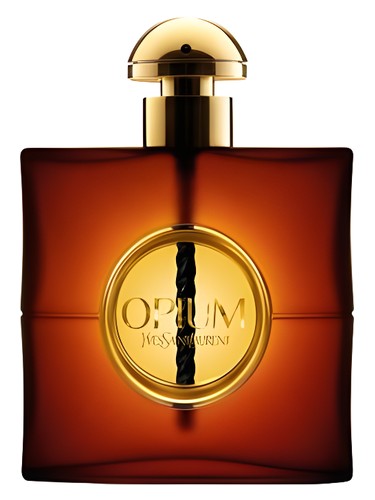
The spray opens with an unexpected luminosity—a far cry from the dense, spice-laden drama of its 1977 predecessor. Mandarin orange and bergamot dance across the skin with a citrus brightness that feels almost jarring against expectations of the Opium name. This is not the notorious seductress that scandalized the 1970s; this is her daughter, raised with slightly better manners but retaining the family''s unmistakable DNA. Within moments, a delicate lily-of-the-valley emerges, softening those opening citrus notes into something more approachable, more polite. It''s a clever move—disarming you before the deeper, more complex heart reveals itself.
The Scent Profile
The evolution of this 2009 interpretation reveals a fragrance built on restraint and refinement. Those initial mandarin and bergamot notes provide approximately 26% of the overall citrus accord—enough to create breathing room in what could otherwise become a suffocating amber composition. The lily-of-the-valley adds a green, almost aqueous quality that keeps the opening from veering into overly sweet territory.
As the fragrance settles into its heart, myrrh and jasmine take center stage in a duet that defines the modern Opium experience. The myrrh brings that characteristic balsamic quality (clocking in at 45% of the overall composition), offering a resinous, slightly medicinal depth that grounds the sweeter elements. Jasmine weaves through with indolic richness, contributing to the 23% white floral accord without dominating the composition. This middle phase is where the fragrance finds its identity—not quite as bold as the original, but far from timid.
The base is where heritage meets reinvention. Opoponax and amber form the foundation of that overwhelming 100% amber accord that defines this fragrance''s soul. It''s warm, enveloping, and unmistakably Oriental in character. Patchouli adds an earthy depth without the hippie-shop associations that plague lesser compositions, while vanilla provides the 35% sweetness that makes this wearable rather than austere. The interplay creates a 30% warm spicy character that lingers for hours, though noticeably softer than the original''s legendary projection.
Character & Occasion
This is unequivocally a cold-weather fragrance. With 96% suitability for winter and 91% for fall, Opium Eau de Parfum 2009 reveals itself as a companion for crisp air and cozy interiors. Spring (21%) and summer (18%) wear becomes possible only in air-conditioned environments or cool evenings—that amber dominance simply doesn''t play well with heat.
The night orientation is absolute—100% suited for evening wear. Yet interestingly, 45% of wearers find it viable for daytime occasions, suggesting a versatility that depends largely on application. A light hand at the office? Perhaps. A full spray for brunch? Probably not. This is a fragrance that truly comes alive under dim lighting, whether that''s a winter dinner party, a theater evening, or intimate gatherings where its moderate sillage can work its magic up close.
The wearer profile skews toward those who appreciate classic Oriental fragrances but find vintage formulations too aggressive for modern sensibilities. It''s for the woman who wants to nod to Opium''s legendary status without announcing her entrance from three rooms away.
Community Verdict
With 7,330 votes yielding a 3.9 out of 5 rating, this reformulation occupies interesting territory. It''s clearly beloved by a substantial community—that vote count indicates serious engagement. The 3.9 rating suggests broad approval without universal worship. This isn''t a polarizing fragrance that earns all 5s and 1s; it''s a solid performer that most find quite good, though perhaps lacking the revolutionary impact of its namesake. The substantial voting base indicates staying power in the market and genuine interest beyond initial curiosity purchases.
How It Compares
Positioned among heavy-hitters like Chanel''s Coco Eau de Parfum and Guerlain''s Shalimar, this 2009 Opium represents the modern approach to classic Oriental perfumery. Where Coco leans more into spice and Shalimar showcases vanilla-laced sensuality, this Opium stakes its claim in balsamic amber territory. The comparison to Dior''s Dune is perhaps most telling—both represent attempts to make traditionally bold fragrance families more accessible.
Against its own 1977 predecessor, this version feels like a compromise between artistry and commercial viability. The original remains untouchable for purists, but this reformulation offers an entry point for those intimidated by vintage intensity. Coco Noir''s presence in the similar fragrances list underscores the modern dark-amber aesthetic this fragrance embodies.
The Bottom Line
Opium Eau de Parfum 2009 succeeds as a gateway fragrance to the Oriental family and as a wearable homage to an icon. That 3.9 rating from over 7,000 voters tells a story of consistent satisfaction rather than passionate obsession—and there''s value in reliability. This isn''t a fragrance that will change your life or redefine a category, but it will provide sophisticated, cold-weather elegance without requiring bravery to wear.
The value proposition depends on expectations. Those seeking the original''s notorious character should hunt down vintage bottles. But for contemporary wearers who want amber-forward warmth with better manners and daytime versatility, this delivers admirably. The longevity is solid, the sillage is moderate, and the composition is professionally executed if not revolutionary.
Try this if you love amber fragrances, need a reliable winter evening scent, or want to understand why Opium became legendary without committing to the full vintage experience. Skip it if you demand projection, seek summer versatility, or believe reformulations are betrayals. At its heart, this is competent, beautiful, and just a touch too careful—which, depending on your perspective, is either its greatest flaw or its most endearing quality.
AI-generated editorial review