First Impressions
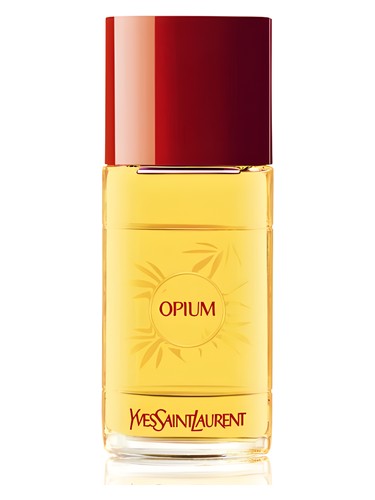
The first spray of Opium hits like stepping into a centuries-old spice bazaar during a heatwave—immediate, unapologetic, and absolutely unforgettable. There''s a sharp crack of cloves and pepper that mingles with bright citrus and plum, creating an opening that''s simultaneously hot and sweet. This isn''t a fragrance that whispers; it announces. Within moments, the West Indian bay and coriander join the fray, adding a green, almost medicinal edge that keeps the initial sweetness from becoming cloying. Jasmine floats through this spice storm like incense smoke, hinting at the depth to come. It''s bold, perhaps even confrontational by today''s standards, but that''s precisely the point.
The Scent Profile
Opium''s evolution is less a gentle fade and more a slow-burning reveal, each layer adding complexity without ever losing that signature warmth. Those opening notes—cloves, pepper, coriander, West Indian bay—create a framework that''s thoroughly aromatic and spicy, softened only slightly by mandarin orange, bergamot, and an unexpected plum note that adds jammy richness.
The heart is where Opium truly earns its reputation as an oriental powerhouse. Carnation and cinnamon double down on the spice theme, but they''re tempered by the creamy sophistication of sandalwood and the earthy depth of patchouli. Rose and orris root bring a powdery, old-world elegance, while peach and lily-of-the-valley contribute unexpected moments of softness. It''s a complex middle act—simultaneously floral, spicy, and woody—that bridges the vivid opening with the sumptuous base.
The foundation of Opium is nothing short of monumental. Incense and myrrh create a resinous, almost ecclesiastical quality, while tolu balsam, benzoin, opoponax, and labdanum form a balsamic fortress of warmth. Amber radiates throughout (scoring 92% in main accords), supported by vanilla''s sweetness and the animalic depth of castoreum and musk. Sandalwood, cedar, and vetiver add woody structure, and there''s even a whisper of coconut in the far drydown that adds an unexpected tropical creaminess. This base lingers for hours, wrapping the wearer in a warm, spicy-sweet embrace that''s thoroughly intoxicating.
Character & Occasion
Opium is definitively a cold-weather fragrance. The data tells the story clearly: 89% winter, 70% fall, with spring and summer trailing far behind at 17% and 15% respectively. This makes perfect sense—the intensity and warmth of this composition need crisp air to truly shine. In summer heat, it risks becoming overwhelming; in winter''s chill, it becomes a second skin of warmth.
The day versus night statistics are even more telling: 32% day, 100% night. Opium is nocturnal by nature. While a light hand might make it office-appropriate for those in creative fields, this is fundamentally evening wear. It''s for dinners that stretch into late hours, gallery openings, theater nights, or any occasion where making an impression is the goal rather than blending in.
Who is Opium for? Anyone who appreciates classic perfumery, who isn''t afraid of projection, and who understands that some fragrances are meant to be experienced rather than merely worn. It''s for the woman who remembers when perfume was about artistry and seduction, not mass appeal. With a 3.97 out of 5 rating based on 8,421 votes, it''s clearly not for everyone—and that''s part of its enduring mystique.
Community Verdict
The community data presents an interesting challenge: while 22 opinions were collected from Reddit''s fragrance community, the discussion captured focused primarily on Opium''s place within the broader perfume canon rather than specific performance details. This itself tells a story—Opium has transcended being merely a fragrance to discuss and has become part of the historical fabric of perfumery itself. It''s referenced as a landmark, a point of comparison, a cultural touchstone from 1977 that helped define what an oriental fragrance could be.
The mixed sentiment (with a neutral score) likely reflects the polarizing nature of such a bold composition. Those who love Opium tend to love it passionately; those who don''t find it overwhelming or dated. This division is typical for powerhouse orientals from this era—they were created before the trend toward skin-scent intimacy, designed instead for maximum impact.
How It Compares
Opium exists within illustrious company. Its closest relatives include Calvin Klein''s Obsession, another 1980s oriental that shares the warm spicy-amber DNA; Chanel''s Coco Eau de Parfum, which offers similar oriental richness with more aldehydic sparkle; and Kenzo Jungle L''Elephant, a 1990s spice-forward powerhouse. More modern comparisons include Tom Ford''s Black Orchid, which brings a gothic darkness to similar territory, and Cacharel''s LouLou, a sweeter, more approachable take on the spicy oriental theme.
Where does Opium stand among these? It remains the template, the original blueprint that others referenced, riffed on, or deliberately departed from. While reformulations over the decades have softened some edges, it still possesses more intensity and complexity than most contemporary releases dare attempt.
The Bottom Line
A 3.97 rating from over 8,400 voters places Opium solidly in "very good" territory—impressive for a fragrance pushing 50 years old. This isn''t a scent everyone will love, nor should it be. Opium represents a particular aesthetic, a specific moment in perfume history when bold was beautiful and subtlety was optional.
Is it worth owning today? Absolutely, with caveats. Vintage bottles, if you can find them, offer the full-throated glory of the original formula. Current formulations are tamer but still potent by modern standards. For anyone building a fragrance wardrobe, Opium deserves consideration as a historical reference point and as a reminder that perfume can be art, provocation, and comfort all at once.
Who should try it? Anyone curious about classic orientals, anyone who finds modern fragrances too polite, anyone who wants their winter evenings wrapped in spice and warmth. Spray sparingly, wear confidently, and prepare for reactions—because with Opium, neutrality was never the goal.
AI-generated editorial review