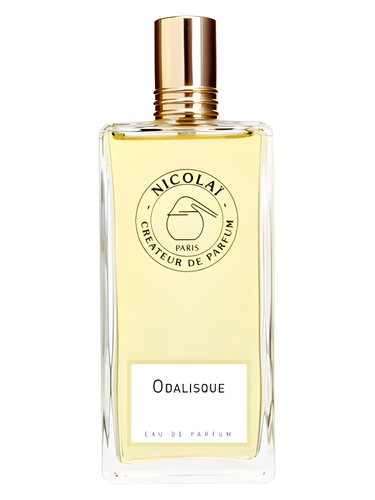
First Impressions
The first spray of Odalisque feels like stepping into a Parisian apartment where someone has just arranged armfuls of white flowers beside an open window overlooking sun-warmed citrus groves. There''s an immediate brightness—tangerine and bergamot mingling with sharper citrus notes—but underneath lies something more complex, more shadowed. This isn''t the aggressive mossy bite of vintage chypres, nor is it the sanitized white floral of modern compositions. Patricia de Nicolaï, in her second year as an independent perfumer, created something that feels both reverent and rebellious: a fragrance that honors the great chypre tradition while letting white flowers claim center stage.
The Scent Profile
Odalisque opens with a sunburst of citrus that''s notably dominated by tangerine sweetness, tempered by bergamot''s bitter-green facets and a medley of bright citrus notes. This opening is surprisingly cheerful, almost deceptive in its lightness—there''s no immediate hint of the earthy complexity waiting beneath.
The transition to the heart reveals the fragrance''s true ambition. Jasmine arrives first, full and indolic but never overwhelming, soon joined by the delicate green sweetness of lily-of-the-valley. What makes this stage fascinating is the presence of oakmoss—not relegated to the base as structure, but woven directly into the floral bouquet. The orris root adds a subtle powdery quality, lending an iris-like coolness that keeps the white florals from becoming too lush or tropical. This is where Odalisque shows its sophistication: the oakmoss doesn''t compete with the jasmine; instead, they create a conversation between light and shadow, cleanliness and earthiness.
The base simplifies to musk, but it''s a musk that carries the memory of everything that came before. The earthiness of the moss lingers, the florals leave their powdery ghost, and what remains is skin-close and intimate. This isn''t a fragrance that announces your entrance hours after you''ve left; it''s one that rewards those who come close enough to notice.
Character & Occasion
The community data tells a clear story: this is quintessentially a spring fragrance, with perfect scores for that season of renewal and blossoming gardens. Fall comes in strong at 77%, which makes perfect sense—those mossy, earthy accords find harmony with autumn''s damp earth and falling leaves. Summer scores a respectable 57%, likely buoyed by that bright citrus opening, though the oakmoss might feel heavy in true heat. Winter, at 28%, confirms what the nose already knows: this isn''t a fragrance built for cold-weather comfort.
With a 90% day rating versus 47% for night, Odalisque declares itself a daylight companion. Picture it for morning meetings where you want to project competence with warmth, weekend gallery visits, lunch on a terrace, afternoon appointments. It can transition to early evening, but this isn''t your black-dress-and-statement-jewelry fragrance.
This is decidedly a feminine composition in its classical sense—not because of arbitrary gender rules, but because it speaks the language of mid-century French perfumery when white florals and chypre structures were considered the height of feminine elegance. Those who love Chanel, Guerlain, and vintage sophistication will find a kindred spirit here.
Community Verdict
With 605 votes tallying to a 4.13 out of 5 rating, Odalisque has earned genuine respect. This isn''t a fragrance with thousands of reviews driven by marketing hype or celebrity endorsement. Instead, it''s gathered a devoted following among those who''ve sought it out—likely drawn by Patricia de Nicolaï''s reputation or a love for classic French perfumery. That rating suggests broad appreciation without universal adoration, which feels honest for a fragrance this unapologetically classical in an era of sweet gourmands and oud-everything.
How It Compares
The comparison list reads like a syllabus in prestigious French perfumery: Chanel No. 5, Chanel No. 19, Guerlain''s Vol de Nuit and Mitsouko, and Dior''s Dune. These aren''t casual similarities—they point to Odalisque''s place in a lineage of sophisticated, mossy-floral compositions. Where No. 5 emphasizes aldehydes and No. 19 leans more decisively green, Odalisque finds middle ground, letting white florals bloom more generously than either. The Mitsouko and Vol de Nuit comparisons highlight the chypre bones, while Dune suggests a shared freshness and wearability. Odalisque is perhaps more approachable than the Guerlains, less iconic but also less weighed down by expectation than the Chanels, and more complex than Dune''s oceanic simplicity.
The Bottom Line
Odalisque represents something increasingly rare: a fragrance of genuine quality and thoughtful composition that hasn''t been reformulated into oblivion or marketed into ubiquity. At 4.13 stars, it''s very good without claiming perfection—an honest assessment for a perfume that does what it sets out to do with skill and grace.
Who should seek this out? Anyone mourning the death of real chypres. Those who find modern white florals too sweet or too aquatic. Admirers of Patricia de Nicolaï''s work who want to explore her early vision. People who wear Chanel No. 19 but occasionally wish it would smile more. This is a fragrance for those who appreciate perfumery as craft rather than accessory, who understand that oakmoss and jasmine can tell a story together worth listening to. Odalisque may have been created in 1989, but it remains thoroughly relevant—a bridge between the grand tradition and contemporary wearability.
AI-generated editorial review