First Impressions
The spray of Noble Fig opens with a burst of verdant intensity—fig leaf unfurling alongside mandarin orange and pink pepper in a composition that announces itself as unabashedly green. This is the scent equivalent of crushing fresh leaves between your fingers, that sharp botanical rush that should feel invigorating, Mediterranean, alive. The 100% green accord dominance is immediately apparent, with a 67% fresh character that promises the kind of crisp, sunlit vitality one associates with Italian summers. Yet something in this opening gives pause. The brightness feels unmoored, lacking the sophisticated anchoring that distinguishes premium fragrance from functional scent.
The Scent Profile
The fig leaf note takes center stage from the first moment, delivering that latex-like, milky-green character that defines the genre. Mandarin orange adds citrus sparkle while pink pepper provides a subtle, soft-spicy kick (registering at 52% in the accord profile). This trio creates an aromatic opening (47% aromatic accord) that reads as deliberately casual, almost insouciant in its approach to feminine fragrance.
As the composition develops into its heart, clary sage emerges with its herbaceous, slightly medicinal quality, reinforcing that green-aromatic character. Iris follows—a note typically associated with sophistication and powdery elegance—registering at 38% in the overall accord structure. Here''s where the composition reveals its ambitions: iris should bring refinement, that cool, rooty sophistication that elevates countless designer masterpieces. In Noble Fig, however, the transition feels abrupt rather than seamless, as though the notes exist in parallel rather than in conversation.
The base attempts to ground everything with musk and patchouli, contributing to the 43% woody accord presence. These foundational elements should provide warmth, depth, and longevity—the structural integrity that allows a fragrance to evolve gracefully on skin throughout the day. Whether they succeed is where the controversy begins.
Character & Occasion
The data tells a clear story about Noble Fig''s intended habitat: this is overwhelmingly a warm-weather, daytime fragrance. Spring scores a perfect 100% suitability rating, with summer close behind at 96%. These numbers make sense given the green-fresh orientation and that prominent fig leaf note. Fall suitability drops dramatically to 42%, while winter barely registers at 9%—this is emphatically not a cozy-season scent.
The day-versus-night breakdown is even more decisive: 99% day, just 20% night. Noble Fig positions itself as a casual, approachable fragrance for sunlit hours, perhaps for weekend errands, outdoor brunches, or office environments where subtlety matters. The profile suggests versatility within its lane—someone seeking an uncomplicated, green signature for daily wear during warmer months.
The feminine classification and soft-spicy-fresh character point toward a target audience appreciating modern, understated elegance over bombastic sillage or obvious seduction. At least, that''s the theoretical wearer.
Community Verdict
Here''s where theory collides with reality. The Reddit r/fragrance community delivered a devastatingly low sentiment score of 2.5 out of 10—a rating that speaks to profound disappointment. With 58 opinions forming this assessment, the negative feedback carries statistical weight.
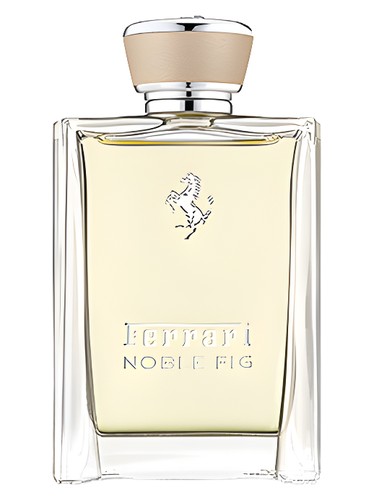
The pros are tellingly minimal: users acknowledged the unique bottle design concept and appreciated the affordable price point. These are the compliments one offers when struggling to find positives.
The cons, however, are damning. The community described "appalling formulation quality" and "ineffective performance"—technical failures that undermine any artistic vision. Most troubling is the repeated characterization of the scent itself: multiple users reported it smelling like insecticide. One community member who blind-bought Noble Fig called it "so poorly formulated it could serve as an insecticide," ranking it among the worst blind-buy experiences in the discussion thread.
This dramatic disconnect between the 4.13/5 average rating (from 1026 votes, presumably across various platforms) and the Reddit community''s harsh 2.5/10 assessment reveals a fragrance that polarizes—or perhaps one where different rating populations have vastly different standards and experiences.
How It Compares
The similar fragrances list reads like a who''s-who of modern masculine classics: L''Eau d''Issey Pour Homme, Dior Homme Intense, Prada L''Homme, Encre Noire Sport, Versace Pour Homme. This comparison set is fascinating given Noble Fig''s feminine classification. It suggests the fragrance shares DNA with the iris-woody-fresh territory that defined sophisticated men''s fragrances of the 2000s and 2010s—that cool, scrubbed, slightly powdery aesthetic.
Where those comparisons succeed through meticulous formulation and quality ingredients, Noble Fig apparently struggles. The company it keeps only highlights what community feedback suggests: that execution matters as much as concept.
The Bottom Line
Noble Fig by Ferrari presents a textbook case study in fragrance disappointment. The composition''s architectural blueprint makes sense: green fig, iris elegance, fresh spice, woody grounding—elements that could yield a compelling warm-weather signature. The 4.13/5 average rating suggests some wearers find satisfaction here, particularly at its accessible price point.
But the community data paints a harsher picture of formulation quality and performance that falls short of expectations, even modest ones. When a fragrance evokes insecticide comparisons rather than Mediterranean romance, something has gone fundamentally wrong.
Who should try Noble Fig? Given the affordability, perhaps those curious about the fig-iris combination and willing to test before committing. The controversial reception means your experience could differ dramatically from the vocal critics. But as a blind-buy candidate? The community offers a clear warning. Sometimes the democratization of luxury comes at the cost of the luxury itself.
AI-generated editorial review