First Impressions
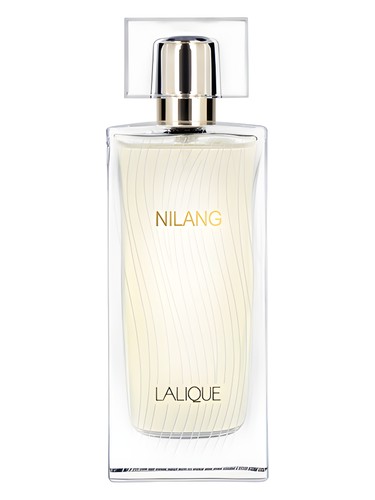
The first spray of Nilang 2011 feels like biting into perfectly ripe summer fruit while standing in an exotic spice market. There''s an immediate sweetness—unapologetic and lush—but it''s not the sugary-pink kind that wears thin after five minutes. Instead, melon and peach burst forward with a juicy clarity, tempered by the watery, almost meditative presence of lotus. A whisper of mandarin orange adds citrus brightness without dominating, creating an opening that manages to feel both playful and surprisingly sophisticated. This is Lalique flexing its dual nature: accessible enough to charm on first encounter, complex enough to keep you returning for another sniff.
The Scent Profile
Nilang''s evolution tells the story of a fragrance that knows exactly what it wants to be. Those opening fruits—melon leading the charge, peach providing creamy roundness—create an inviting sweetness that dominates the composition at 100% according to its accord profile. But Lalique wasn''t content to let this be another generic fruity floral. The lotus note adds an unexpected aquatic quality, preventing the fruits from becoming cloying while maintaining that feminine softness.
As the top notes settle, the heart reveals Nilang''s secret weapon: clove. This warm spice accord, registering at 82%, weaves through the blueberry and jasmine with aromatic authority. The clove provides a vintage quality, a knowing nod to classic Oriental fragrances, while blueberry adds a modern, almost gourmand juiciness. Jasmine and freesia fulfill their floral duties with grace rather than grandstanding, contributing to a modest 57% floral accord that knows when to step back and let the other players shine.
The base is where Nilang declares its true intentions. Patchouli anchors the composition at 75% of the accord profile, creating an earthy, almost hippie-chic foundation that grounds all that fruit and sweetness. But this isn''t raw, muddy patchouli—it''s refined and rounded by vanilla, amber, and sandalwood, creating a woody accord at 66% that feels both warm and substantial. Musk and additional sweet notes ensure the drydown never becomes too austere, maintaining that thread of accessibility that runs through the entire composition.
Character & Occasion
Nilang 2011 is a cold-weather champion, with the community data revealing 93% suitability for fall and 80% for winter. This makes perfect sense—the combination of sweet fruits, warm spices, and rich patchouli creates the olfactory equivalent of a cashmere wrap. Spring wearers give it a respectable 72% approval, but summer''s 37% rating confirms what your nose already knows: this is too much fragrance for sweltering heat.
The day/night split tells an interesting story. While it scores 100% for daytime wear, it maintains a solid 64% for evening occasions. This versatility speaks to Nilang''s balanced personality—sweet enough to feel approachable for office wear or weekend errands, but with enough depth and spice to transition to dinner or evening events. It''s the rare fragrance that doesn''t force you to choose between day-appropriate restraint and nighttime drama.
Who should reach for Nilang? Women who appreciate sweetness but refuse to be defined by it. Those who want their fruity fragrance to have a backbone, who understand that patchouli and peach can be friends, who aren''t afraid of a perfume with presence.
Community Verdict
With a rating of 3.82 out of 5 from 724 voters, Nilang 2011 sits comfortably in "very good" territory. This isn''t a polarizing masterpiece that some worship and others despise—it''s a crowd-pleaser with enough personality to avoid blandness. The substantial vote count suggests real wear-testing experience, not just sample-counter speculation. That rating reflects a fragrance that delivers on its promises: it''s sweet (as advertised), fruity (indisputably), and warm-spicy (genuinely), without any major disappointments or reformulation disasters that might drag scores down.
How It Compares
The similar fragrances list reads like a tour through perfumery''s most iconic sweet-and-dark compositions: Angel by Mugler, Black Orchid by Tom Ford, Poison by Dior, Dolce Vita by Dior, and Dune by Dior. This company places Nilang firmly in the tradition of fragrances that aren''t afraid of sweetness but refuse to be simply pretty.
Where Angel leans gourmand and patchouli-forward, and Black Orchid goes full Gothic drama, Nilang finds a middle path. It''s lighter than Black Orchid, less edible than Angel, more approachable than vintage Poison, but shares their willingness to layer fruits and flowers over a substantial, earthy-woody base. Think of it as the gateway fragrance for those curious about this style—complex enough to satisfy, wearable enough not to intimidate.
The Bottom Line
Lalique''s Nilang 2011 proves that "sweet and fruity" doesn''t have to mean simple or forgettable. At 3.82 stars from over 700 votes, it''s earned its place as a reliable, well-constructed fragrance that delivers exactly what its accord profile promises. The value proposition is strong—Lalique typically offers impressive quality at more accessible price points than luxury brands charging premium prices for similar compositions.
Should you try it? Absolutely, if you''ve ever wondered whether your love of fruity scents could coexist with a desire for something more substantial. If you reach for Angel but sometimes wish it were slightly less intense, or if you love the idea of Black Orchid but find it too heavy, Nilang deserves a spot on your testing list. It''s not revolutionary, but it''s thoroughly accomplished—a fragrance that knows its audience and serves them well, especially when the temperature drops and sweater weather calls for something sweet, spicy, and quietly confident.
AI-generated editorial review