First Impressions
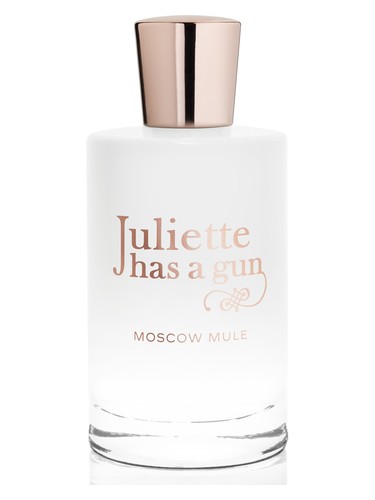
The first spray of Moscow Mule arrives like a burst of citrus sunshine—bright bergamot, zesty lime, and sharp lemon cascade onto skin with the promise of something effervescent and lively. Named after the iconic vodka-and-ginger cocktail served in its signature copper mug, you expect a certain vivacity, a sparkling quality that mirrors the drink''s spirited personality. For a fleeting moment, that''s exactly what you get: a luminous citrus explosion that feels refreshing and optimistic. But almost as quickly as it arrives, you sense something else—or rather, the absence of something. The boldness you anticipated begins to fade, revealing a composition that seems hesitant to commit to its own concept.
The Scent Profile
The opening trio of bergamot, lime, and lemon dominates Moscow Mule''s architecture, accounting for the fragrance''s 100% citrus accord rating. These aren''t the candied, sweet citruses of fruity florals; they''re crisp and clean, almost austere in their brightness. The lime note in particular tries to channel that Moscow Mule cocktail connection, but the translation from glass to skin feels more literal than evocative.
As the citrus shimmer settles, the heart reveals ginger—the ingredient that should be this fragrance''s star player, given the cocktail inspiration. Here it''s present but strangely muted, more of a subtle warmth than the spicy kick you''d expect. The fresh spicy accord registers at 47%, suggesting ginger should have more presence, yet it remains understated. Alongside it, hedione brings a transparent floral quality (explaining the 34% floral accord), while apple adds a whisper of sweetness that never quite materializes into something substantial.
The base is where Moscow Mule reveals its true character—and perhaps its fundamental challenge. White musk (contributing to that 47% musky accord), woody notes, ambrette, and amberwood create a foundation that''s decidedly dry and woody (43% woody accord). This is where the fragrance settles and stays, in a territory that feels at odds with the cocktail concept. Rather than sparkling effervescence, you''re left with something that feels more like clean laundry dried on driftwood—pleasant enough, but far from the spirited experience the name suggests.
Character & Occasion
The data tells a clear story: Moscow Mule is a summer fragrance first and foremost (100% seasonal appropriateness), with strong spring viability (78%). This makes intuitive sense given its citrus-forward composition and fresh character (40% fresh accord). It''s an overwhelmingly daytime scent, scoring 99% for day wear versus just 20% for evening occasions. This isn''t a fragrance that will turn heads at dinner parties or evening events; it''s meant for bright, casual moments—beach days, brunch, weekend errands.
The light, woody-musky drydown means it won''t overwhelm in heat or humidity. In fact, given the community feedback about its minimal projection, you could wear this to just about any professional setting without concern. Whether that''s a feature or a bug depends entirely on what you''re seeking.
Community Verdict
The Reddit fragrance community''s assessment is notably critical, scoring Moscow Mule at just 3.5 out of 10 for sentiment—significantly lower than its broader 3.56/5 rating from 2018 voters. The disconnect is telling. While the concept intrigues—a boozy, spicy cocktail translated to perfume using interesting molecular compositions like Norlimbanol—the execution disappoints.
The most consistent complaint centers on performance: Moscow Mule is described as extremely light with weak projection. Multiple reviewers note that the dry, woody character fails to deliver on the brand''s marketing promises. One particularly revealing comment mentions that a user once loved this fragrance but now finds it underwhelming, suggesting not just weak longevity on skin but poor replay value—that initial charm doesn''t hold up to repeated wearings.
The community consensus? Moscow Mule lacks depth and doesn''t justify its niche pricing. It''s recommended primarily for fragrance collectors sampling Juliette Has A Gun''s catalog or those specifically seeking barely-there, subtle scents. For anyone expecting the bold, spirited personality promised by the name, disappointment seems inevitable.
How It Compares
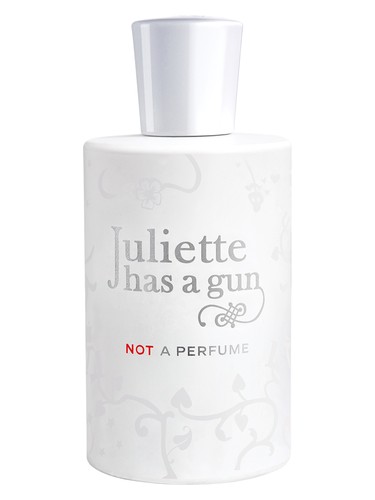
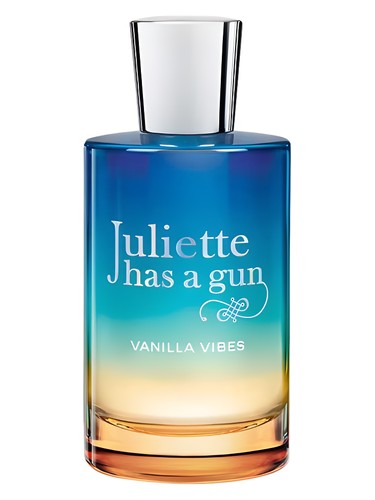
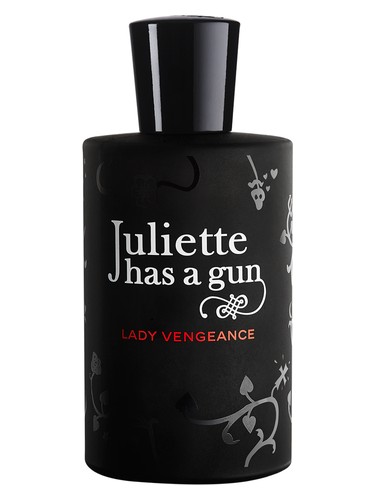
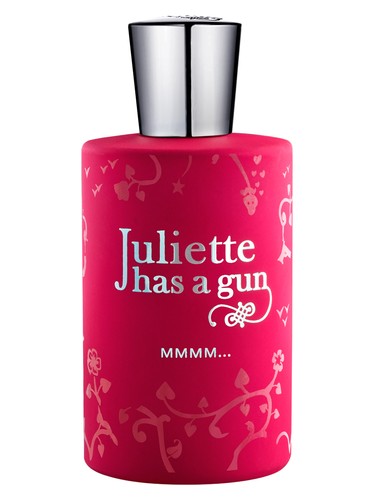
Moscow Mule shares DNA with several popular citrus-fresh fragrances: Light Blue by Dolce&Gabbana, Wood Sage & Sea Salt by Jo Malone London, and Byredo''s Gypsy Water and Mojave Ghost. What these comparisons reveal is that Moscow Mule occupies the lighter, more minimalist end of the citrus-woody spectrum. Where Light Blue leans fruity-floral and Wood Sage & Sea Salt embraces coastal minerality, Moscow Mule commits to that dry, musky-woody character that some find too austere. Against Byredo''s offerings, which command similar price points, Moscow Mule struggles—those fragrances deliver more distinctive personalities and better performance.
The Bottom Line
Moscow Mule represents a curious case of concept versus execution. Juliette Has A Gun clearly aimed to bottle the bright, spicy essence of the cocktail, but somewhere in the translation, the fizz went flat. What remains is a pleasant if unremarkable citrus-musk fragrance that performs better as an understated summer skin scent than as the bold statement its name implies.
With a 3.56/5 rating from over 2,000 voters but notably negative sentiment from the more critical Reddit community, it''s clear this fragrance has its admirers—likely those who appreciate its whisper-quiet presence and clean simplicity. But for most, especially at niche pricing, Moscow Mule fails to justify the investment. The performance issues are real, the depth simply isn''t there, and numerous alternatives deliver similar profiles with better longevity and projection.
Who should try it? Collectors exploring Juliette Has A Gun''s range, those who genuinely prefer fragrances that stay close to skin, or anyone curious about molecular perfumery''s lighter applications. Everyone else might want to sample before committing—this is one cocktail that''s better as a sip than a full pour.
AI-generated editorial review