First Impressions
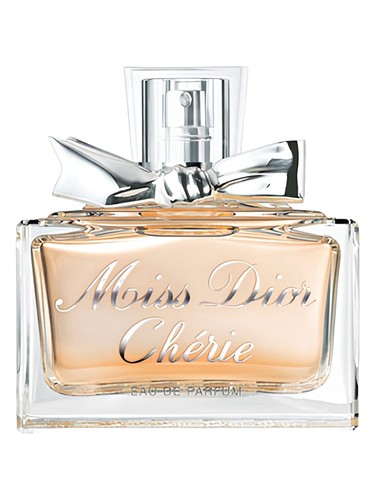
There''s something achingly nostalgic about spraying Miss Dior Cherie—or rather, what it used to be. The original 2005 formulation opened with an audacious burst of cherry and strawberry, immediately announcing itself as something playful, even rebellious for the storied Dior house. This wasn''t the sophisticated chypre of its namesake ancestor; this was youth bottled, a pink ribbon tied around a gourmand heart. Within moments, that fruit gives way to something utterly unexpected: the warm, buttery whisper of caramel popcorn. Yes, popcorn. It''s this singular note that etched Miss Dior Cherie into fragrance history and into the hearts of those who wore it between 2005 and 2011, before Dior pulled the rug out from under them.
The Scent Profile
Miss Dior Cherie''s composition reads like a dessert menu dreamed up by a perfumer with a mischievous streak. The opening trio of cherry, strawberry, and pineapple, softened by mandarin orange, creates a fruity explosion that''s decidedly sweet but never cloying in its original form. This is candy with sophistication, fruit compote rather than artificial syrup.
The heart is where Miss Dior Cherie earned its cult status. That infamous popcorn note—savory, buttery, slightly salty—mingles with caramel to create an accord that shouldn''t work in perfumery but absolutely does. It''s grounded by rose and jasmine, traditional florals that lend just enough elegance to remind you this is, after all, a Dior creation. Violet adds a powdery softness that keeps the gourmand elements from overwhelming.
The base brings necessary depth with patchouli, musk, and amber. The patchouli here isn''t the heavy, earthy variant of 1970s headshops; it''s sweetened and smooth, providing a woody foundation that allows the sweeter elements to settle into something wearable rather than edible. The musk and amber create warmth without weight, a gentle embrace that carries the scent through its final hours.
With sweetness registering at 100% and fruity accords at 85%, this is unabashedly a gourmand fragrance. The caramel accord hits 47%, cherry at 42%, and even patchouli makes its presence known at 33%, creating a composition that walks the tightrope between dessert counter and perfume counter.
Character & Occasion
Miss Dior Cherie was, in its heyday, the quintessential spring fragrance—84% of wearers agree. There''s something about that combination of fresh fruit and warm caramel that captures the transitional nature of spring: hopeful, light, but with enough substance to carry through cooler days. It performs admirably in fall (50%) and summer (46%), with winter trailing at 44%—this isn''t a heavy seasonal player, but rather a three-season workhorse that knows its lane.
This is overwhelmingly a daytime scent (100% day rating versus 44% night), perfect for brunch dates, shopping trips, casual office environments where you want to be noticed but not remembered for overpowering a conference room. It''s romantic without being seductive, sweet without being juvenile—though it certainly skews younger in its target demographic. This was the fragrance of college students and young professionals who wanted something distinctive without the price tag gravitas of more serious Dior offerings.
Community Verdict
Here''s where the story takes a melancholic turn. The Reddit fragrance community gives Miss Dior Cherie a mixed sentiment score of 6.5/10, but that number masks a tale of two perfumes. The original 2005-2010 formula? Beloved, cherished, mourned. Users describe it as "light, fresh, and romantic" with that "distinctive caramel popcorn note" that made it unforgettable. It holds genuine nostalgic value for those who wore it during its brief six-year reign.
The catch? Dior discontinued the original formula in 2011, reformulating and eventually just calling it "Miss Dior." The community is unequivocal: the current version is "widely considered a poor replacement." Where the original sang with sweetness and that signature gourmand character, the reformulation went floral and earthy, abandoning what made Cherie special. Current wearers report it''s "headache-inducing and rough compared to the original."
This has spawned an entire cottage industry of dupe-seeking. Community members actively hunt down alternatives from brands like Miutine, Oil Perfumery, and Dua Fragrances, desperate to recapture what Dior took away. It''s a testament to the original''s magic that, over a decade after discontinuation, people are still searching.
How It Compares
Miss Dior Cherie sits in distinguished company among the great fruity-gourmand perfumes of the 2000s. Thierry Mugler''s Angel pioneered the category, while Lancôme''s La Vie Est Belle offers a similar sweet sophistication. Chanel''s Chance Eau de Toilette and Chance Eau Tendre provide alternative takes on youthful elegance, while Dolce&Gabbana''s The One explores similar warm, inviting territory.
What set Miss Dior Cherie apart was its specific caramel-popcorn signature—a note combination few others dared to attempt. It was both more playful than La Vie Est Belle and more approachable than Angel''s intense patchouli-chocolate drama.
The Bottom Line
With a respectable 4.01/5 rating from 7,534 voters, Miss Dior Cherie clearly resonated with its audience. But that rating comes with an asterisk the size of the Eiffel Tower: most of those votes reflect memories of a fragrance that no longer exists in its original form.
Should you seek out vintage bottles? If you''re a collector or someone who remembers wearing it and wants that olfactory time machine, absolutely—though be prepared to pay premium prices on the secondary market. For those who never experienced the original, understand that you''re chasing a ghost. The current Miss Dior is a different creature entirely, and going in expecting caramel popcorn will only lead to disappointment.
Miss Dior Cherie''s legacy is bittersweet: a reminder that perfume houses can create magic, but they can also destroy it with a single reformulation. It''s a cautionary tale wrapped in pink ribbons, a delicious memory that serves as both love letter and lament.
AI-generated editorial review