First Impressions
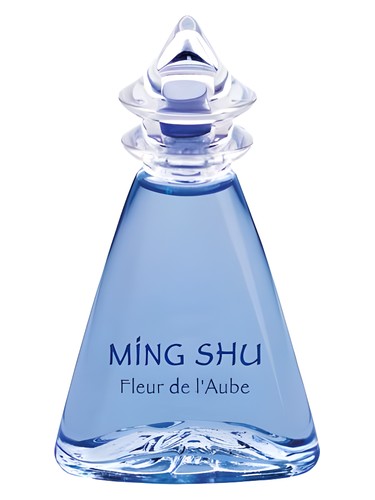
The first spray of Ming Shu Fleur de l''Aube feels like stepping onto a wooden dock at sunrise, that magical hour when the air is still cool and the water reflects the first hints of golden light. There''s an immediate rush of bracing sea notes—not the heavy, ozonic marine synthetics that dominated the early 2000s, but something cleaner, more translucent. A whisper of pepper adds an unexpected edge to the aquatic opening, creating a sensation that''s simultaneously refreshing and slightly mysterious. This is dawn distilled into a bottle: that fleeting moment when the world hovers between sleep and awakening.
The name itself—"Fleur de l''Aube," or "Flower of Dawn"—promises something specific, and Yves Rocher delivers on that promise with surprising precision. This isn''t a generic aquatic fragrance masquerading as something poetic; it genuinely evokes that liminal early-morning space where water and florals exist in perfect, temporary harmony.
The Scent Profile
The opening act belongs entirely to the sea. Those marine notes surge forward with conviction, accompanied by the subtle bite of pepper that keeps the composition from veering into simple, pretty territory. The pepper isn''t aggressive—think of it more as a pinch of spice that adds dimension, like salt enhancing the flavor of everything it touches. This phase feels crisp and invigorating, the olfactory equivalent of splashing cold water on your face.
As the fragrance settles into its heart, water lily emerges as the star performer. It''s a note that perfectly bridges the aquatic opening and the warmer base to come—essentially a flower that lives on water, making it perhaps the most logical choice imaginable for this composition. The water lily brings a subtle sweetness, a green-floral quality that''s impressively natural rather than chemical. Ylang-ylang joins the conversation here, adding its characteristic creamy, slightly tropical richness. The yellow floral accord that registers at 78% in the fragrance''s DNA comes primarily from this ylang-ylang, which lends a sun-warmed quality without overwhelming the cooler aquatic elements.
The drydown reveals sandalwood and vanilla in the base, though they remain restrained compared to the dominant marine and floral character. The sandalwood provides a woody backbone (reflected in that 67% woody accord), giving the fragrance just enough structure to feel complete. Vanilla adds a whisper of sweetness—enough to soften the composition''s edges but not enough to turn it gourmand. These base notes serve more as supporting players than leads, ensuring the fragrance doesn''t disappear entirely but never challenging the bright, aquatic-floral identity established from the start.
Character & Occasion
This is a daytime fragrance through and through, and the community data confirms it emphatically: 100% day wear, with only 16% finding it suitable for evening. There''s an honesty to that assessment that actually works in the fragrance''s favor—Ming Shu Fleur de l''Aube knows exactly what it is and doesn''t pretend to be a versatile all-occasion scent.
Seasonally, this shines brightest in spring and summer, with 77% and 74% suitability respectively. Those numbers make perfect sense given the marine-aquatic-floral composition. This is a fragrance for warm weather, for days when you want to feel fresh without reaching for another citrus cologne. It''s ideal for outdoor brunches, beach walks that extend into lunch, casual office environments, weekend errands when the sun is shining. The aromatic quality (69%) gives it enough interest to avoid being dismissed as purely "fresh and clean," while the aquatic nature means it won''t feel heavy even on humid days.
Fall and winter? The data suggests moving on to something else, with only 22% and 21% approval for cooler months. The light, breezy character that makes it perfect for spring simply can''t compete with cozy sweater weather.
Community Verdict
With 666 votes tallying to a 3.6 out of 5 rating, Ming Shu Fleur de l''Aube sits firmly in "solid" territory. That''s not a dismissive assessment—a 3.6 from over six hundred people represents a fragrance that satisfies its purpose without necessarily inspiring passionate devotion. The vote count itself is impressive for a 2006 release from Yves Rocher, suggesting this has found a consistent audience over the years.
The rating suggests a fragrance that delivers on its promise without necessarily exceeding expectations. It''s competent, pleasant, wearable—qualities that shouldn''t be undervalued, especially in the marine-floral category where many fragrances veer into generic or synthetic territory.
How It Compares
The listed similar fragrances provide useful context. Its closest sibling, the original Ming Shu by Yves Rocher, shares the brand''s aesthetic, while Ming Shu Fleur Rare represents another variation in the line. The comparison to Versace''s Bright Crystal is telling—both lean into aquatic florals with a crystalline quality, though Versace''s version skews more luxury-positioned.
References to 5th Avenue by Elizabeth Arden and Miracle by Lancôme place this in conversation with mainstream feminine fragrances that balance florals with freshness. Ming Shu Fleur de l''Aube distinguishes itself through that pronounced marine character—the 100% marine accord and 92% aquatic rating make it notably more water-focused than these comparisons.
The Bottom Line
Ming Shu Fleur de l''Aube succeeds at being exactly what it sets out to be: an affordable, wearable marine-floral for spring and summer days. The 3.6 rating reflects its position as a reliable rather than revolutionary fragrance—and there''s genuine value in reliability. Yves Rocher has never positioned itself as a luxury fragrance house, and judged within its accessible price point, this offers impressive quality.
Who should try it? Anyone seeking a clean, aquatic-floral alternative to citrus-based summer fragrances. Those who find most marine scents too synthetic or masculine will appreciate the prominent floral softness here. It''s particularly well-suited to those who prefer their florals diluted with freshness rather than full-bodied and heady. Skip it if you want projection, complexity, or evening versatility—but if you need something pretty, appropriate, and evocative of water and flowers at dawn, this delivers exactly that promise.
AI-generated editorial review