First Impressions
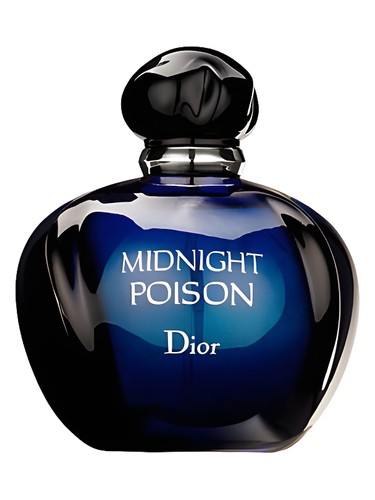
The first spray of Midnight Poison announces itself with an unexpected brightness—a flash of bergamot and mandarin orange that cuts through the darkness its name promises. But this citrus opening is merely a prelude, a momentary sparkle before the fragrance reveals its true nature. Within minutes, the brightness dims, and what emerges is something far more complex and provocative: a rose that''s been steeped in earth and shadow, wrapped in patchouli so dominant it accounts for the fragrance''s entire character. This is not a fragrance that whispers. It declares, unapologetically, that the night belongs to those bold enough to claim it.
The Scent Profile
Midnight Poison''s structure follows a deceptive arc. The opening citrus duo of bergamot and mandarin orange provides what can only be described as false security—a bright, approachable introduction that comprises 91% of the initial accord. It''s fresh, almost cheerful, suggesting a completely different fragrance than what actually unfolds.
But the heart reveals the fragrance''s beating core: rose. Not the dewy, innocent rose of morning gardens, but a rose that''s been allowed to darken and deepen, accounting for 70% of the heart''s character. This is rose with thorns still attached, petals bruised and slightly overblown, sophisticated rather than sweet.
The base is where Midnight Poison truly settles into its identity. Patchouli dominates so completely—100% of the main accord—that it becomes the fragrance''s signature. This isn''t the head-shop patchouli of the 1970s, but it''s earthy nonetheless, grounded and almost primordial. Amber adds a warm, resinous glow (54% of the accord), while vanilla softens the edges with just enough sweetness to keep the composition from becoming austere. The woody undertones (65%) provide structure, creating a fragrance that feels substantial, almost architectural in its construction. A whisper of warm spice (50%) adds intrigue, a hint of something exotic and mysterious.
Character & Occasion
The data tells an unambiguous story: Midnight Poison is a creature of darkness and cold. With a night-wear rating of 100% versus just 29% for day, this fragrance is exclusively nocturnal. Wearing it during daylight hours would be like showing up to brunch in evening wear—technically possible, but decidedly off-key.
Seasonally, this is a winter fragrance first and foremost (83%), with fall as a respectable second choice (60%). Spring (23%) and summer (16%) barely register, and for good reason. The heavy patchouli and amber would feel suffocating in heat, but against cold air, they bloom with mysterious warmth.
This is a fragrance for the woman who has outgrown sweet, safe choices. The mature, sophisticated profile speaks to someone comfortable with complexity, someone who doesn''t need to be universally liked. It''s for gallery openings that stretch into the evening, for dinners where the wine is old and the conversation deep, for nights when you want to be remembered rather than simply pleasant.
Community Verdict
The community sentiment sits at a measured 6.5 out of 10—a score that reflects genuine division rather than mediocrity. Based on 47 opinions, Midnight Poison inspires fierce loyalty and equally strong aversion, with little middle ground.
The devotees speak of a "distinctive musky scent that left lasting impressions," praising its "mature and sophisticated fragrance profile." For these fans, Midnight Poison is "highly memorable and beloved," a fragrance they return to with almost nostalgic reverence.
But there''s a significant complication: discontinuation. Finding authentic bottles has become a treasure hunt fraught with risk. The secondary market is plagued by counterfeits, making the search for genuine vintage bottles a gamble. Some community members report that the musky profile can turn "off-putting or urine-like" on certain skin chemistries—a warning that skin testing is non-negotiable.
The overall rating of 4.21 out of 5 from 9,742 votes suggests that those who connect with Midnight Poison truly love it, while those who don''t simply avoid it rather than rating it harshly.
How It Compares
Midnight Poison sits in distinguished company. Its similarities to Coco Mademoiselle by Chanel and Shalimar Eau de Parfum by Guerlain speak to a lineage of sophisticated, oriental-influenced fragrances. The comparison to Black Orchid by Tom Ford makes sense—both are unapologetically bold, nocturnal creatures with polarizing profiles.
Within Dior''s own catalog, it shares DNA with Dune, though Midnight Poison ventures into darker territory. The community suggests Dior Addict or YSL Elle as alternatives for those who want something in the same vein but more accessible—both in terms of wearability and actual availability.
What sets Midnight Poison apart is its uncompromising patchouli dominance. Where other fragrances in this category balance their boldness with broader appeal, Midnight Poison chose its lane and stayed there.
The Bottom Line
Midnight Poison deserves its 4.21 rating—it accomplishes exactly what it set out to do, even if that mission appeals to a specific audience. The fragrance''s greatest weakness is ironically beyond its control: discontinuation has transformed it from a readily available Dior offering into a quasi-mythical object, difficult to source and risky to purchase.
For those who can find an authentic bottle and whose skin chemistry harmonizes with that dominant patchouli, this is a remarkable fragrance that delivers sophistication and presence in equal measure. But potential buyers should approach with eyes open: test before you invest, buy only from reputable sources, and understand that this is a fragrance that divides rooms.
If you loved it in 2007 and have been searching ever since, the hunt may be worth it. If you''re discovering it now, explore those suggested alternatives first—they offer similar sophistication with far less risk. Midnight Poison remains a beautiful enigma, best suited for those who wear their complexity as confidently as their perfume.
AI-generated editorial review