First Impressions
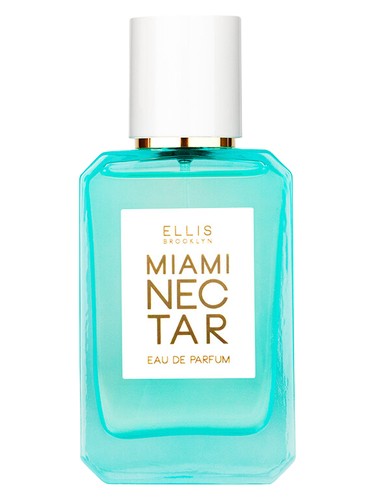
The first spray of Miami Nectar feels like stepping off a plane into humid tropical air—that exact moment when air conditioning gives way to palm trees and salt-tinged breezes. Ellis Brooklyn''s 2024 release opens with an unmistakable wave of coconut water, but this isn''t the cloying, sunscreen-reminiscent coconut of beach vacations past. Instead, it''s the clear, slightly sweet liquid you''d sip straight from a freshly cracked shell, accompanied by bright pineapple that adds a juicy, almost effervescent quality. There''s an herbal-green whisper of palm leaf threading through, grounding what could have been pure fruit salad into something more sophisticated and photorealistic. This is Miami filtered through an editorial lens—glamorous, sun-soaked, undeniably tropical, but with enough restraint to feel modern rather than kitschy.
The Scent Profile
Miami Nectar''s evolution unfolds like a perfect beach day, moving from the refreshing plunge into ocean waves to the languid warmth of late afternoon. Those opening notes of coconut water and pineapple dominate the first fifteen minutes with impressive vibrancy. The pineapple brings a tangy sweetness that prevents the coconut from veering into generic territory, while the palm leaf accord adds an almost mineral-like freshness that suggests ocean spray more than fruit stand.
As the heart notes emerge, Miami Nectar reveals its floral ambitions. Frangipani takes center stage—that creamy, almost narcotic tropical flower that defines so many island getaways. It''s joined by wild jasmine, which adds a slightly indolic depth without turning the composition heady or overwhelming. Lily of the valley provides a delicate counterpoint, its green, almost soapy cleanliness preventing the white florals from becoming too heavy or vintage in feel. This middle phase is where the fragrance finds its identity: unabashedly tropical (that 100% tropical accord rating is entirely earned), but with a floral sophistication that elevates it beyond simple fruity sweetness.
The dry down introduces welcome complexity. Vanilla appears, but it''s restrained—more of a soft roundness than gourmand sweetness. Driftwood and amberwood create a sun-bleached woody quality, like weathered planks on a seaside deck. There''s moss here too, adding an earthy, slightly damp dimension that grounds all that tropical brightness. Together, these base notes create a skin-like warmth that allows Miami Nectar to wear surprisingly close and intimate despite its initially exuberant character. The fragrance doesn''t disappear so much as it settles into a tropical-floral haze that hovers just above the skin.
Character & Occasion
This is summer captured in liquid form, and the community data confirms it: 100% of wearers associate Miami Nectar with summer, with a distant 40% finding it workable for spring. Winter and fall? Virtually nonexistent at 3% and 7% respectively. This isn''t a fragrance that plays well with wool sweaters and gray skies—it demands sunshine, or at least the memory of it.
The day-to-night breakdown (79% day versus 21% night) also makes perfect sense. Miami Nectar has an inherent brightness and freshness that feels most at home in daylight hours. Picture it at weekend brunches, beach clubs, farmers markets, or any situation where "effortlessly chic" is the goal. That''s not to say it can''t transition to evening—those white florals have enough presence for sunset cocktails—but this isn''t a fragrance you''d choose for formal dinners or dramatic nights out.
The feminine classification aligns with the composition''s emphasis on white florals and sweet fruits, though anyone drawn to tropical, vacation-inspired scents could certainly pull this off. It''s particularly suited for those who want to smell approachable and radiant rather than mysterious or provocative.
Community Verdict
With a 4.17 out of 5 rating from 795 votes, Miami Nectar has clearly resonated with its audience. That''s a strong showing, suggesting broad appeal rather than polarizing niche status. The substantial voting pool indicates genuine interest—this isn''t a hidden gem known to only a handful of collectors, but rather a fragrance that''s found its people. The rating suggests consistent quality and crowd-pleasing execution, though perhaps not the groundbreaking originality that would push it into rarefied 4.5+ territory. This is a very good fragrance that delivers exactly what it promises, and sometimes that''s precisely what you want.
How It Compares
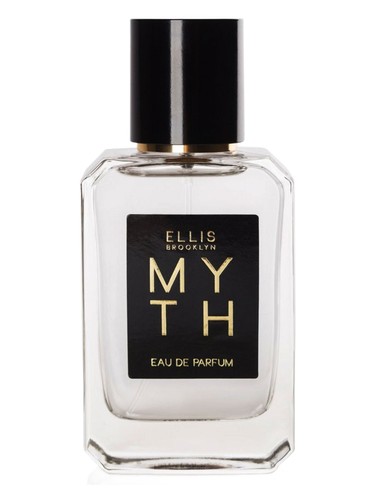
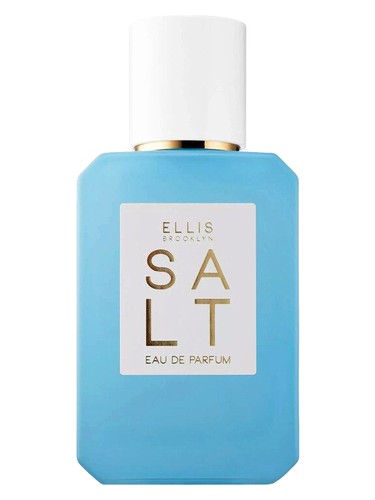
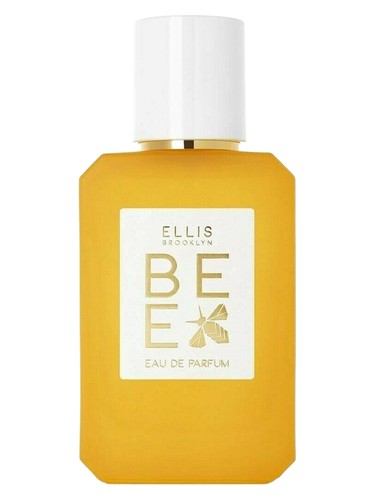
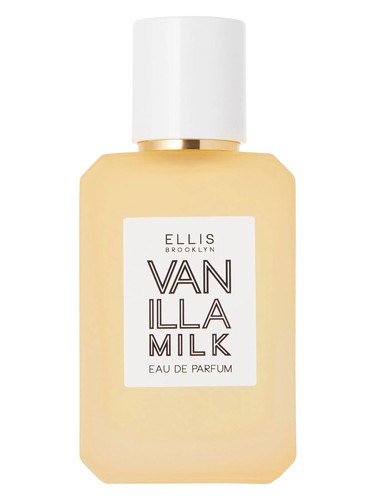
Miami Nectar finds itself in good company among fruity-floral tropical scents. Its similarity to Kayali''s Eden Sparkling Lychee and Eden Juicy Apple suggests it occupies that same space of accessible, fruit-forward fragrances with designer sensibilities and clean execution. The connection to Ellis Brooklyn''s own Guava Granita isn''t surprising—clearly the brand has found success in this tropical-fruit lane. What''s interesting is the link to Valentino Donna Born in Roma, which suggests Miami Nectar achieves more sophistication than its fruit-heavy opening might initially suggest.
Within the tropical fragrance category, Miami Nectar distinguishes itself through that coconut water note—fresher and more nuanced than the typical coconut treatments—and the quality of its white florals, which feel natural rather than synthetic.
The Bottom Line
Miami Nectar succeeds at what it sets out to do: bottle the essence of a luxury tropical escape without resorting to clichés or cheap tricks. Ellis Brooklyn has crafted a fragrance that smells expensive, natural, and genuinely evocative of place. At a 4.17 rating, it''s not claiming to revolutionize perfumery, but it''s executing its vision with skill and polish.
Is it groundbreaking? No. Is it a beautiful, wearable summer fragrance that will make you feel like you''re perpetually on vacation? Absolutely. For anyone who lights up at the mention of tropical getaways, who seeks out white florals and fruit notes, or who simply wants to smell like sunshine and good times, Miami Nectar deserves a test spray. Just save it for warm weather—this flower blooms best in the heat.
AI-generated editorial review