First Impressions
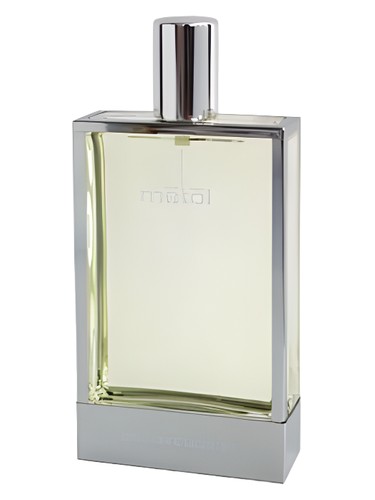
The first spray of Metal hits like walking into a florist''s workroom at dawn—not the display area with its artfully arranged bouquets, but the back room where stems are stripped, leaves scatter across wet concrete, and the air smells of green sap and cool water. There''s an immediate burst of sharp, almost astringent greenness, lifted by aldehydes that give everything a champagne-like effervescence. The basil adds an herbal bite that feels unusually modern for 1979, while lemon and hyacinth provide just enough brightness to keep the composition from turning too severe. This is not a perfume that eases you in gently. Metal announces itself with confidence, demanding attention from the first moment.
The Scent Profile
The opening is uncompromisingly green—that 100% green accord rating isn''t an exaggeration. Aldehydes crackle through the composition like static electricity, giving those green notes a lifted, almost metallic quality that justifies the perfume''s name. Fresh basil leaves crushed between fingers, hyacinth''s aqueous green floralcy, and a squeeze of lemon create a triptych of sharpness that feels bracing and alive. This isn''t the soft, dewy green of a garden; it''s the vivid, almost aggressive green of chlorophyll and photosynthesis in action.
As Metal settles into its heart, the floral chorus enters—but these aren''t the sweet, indolic flowers of classic feminines. Lily-of-the-valley takes center stage, bringing its clean, slightly soapy character that was de rigueur for sophisticated fragrances of the era. Iris contributes its powdery, root-like coolness, while jasmine and tuberose add just enough white floral richness to balance the composition''s inherent sharpness. Rose and ylang-ylang weave through more subtly, and cyclamen—a note rarely mentioned but frequently present in this genre—adds a delicate, peppery freshness. The overall effect is floral, certainly (that 60% floral accord), but always viewed through a green-tinted lens, never warm or heavy.
The base is where Metal reveals its vintage pedigree. Oakmoss provides that essential chypre-adjacent earthiness (52% earthy accord), grounding all that brightness in something substantial and slightly damp. Vetiver adds another layer of green, this time smoky and rooty rather than fresh. Musk keeps everything close to the skin, while amber and sandalwood provide warmth without sweetness. The dry down is surprisingly restrained—elegant rather than loud, refined rather than seductive.
Character & Occasion
Metal is quintessentially a warm-weather fragrance, and the community data bears this out: 72% summer, 71% spring. This makes perfect sense. The crisp greenness and fresh character (57% fresh accord) feel most at home when temperatures rise and heavier fragrances become oppressive. In spring, it captures that sense of renewal and growth; in summer, it provides refreshment without relying on citrus clichés or marine notes.
That said, 59% of wearers find it suitable for fall, which speaks to Metal''s versatility. Those earthy base notes—the oakmoss, vetiver, and sandalwood—give it enough substance to carry through cooler weather, though winter''s 47% rating suggests it might feel a bit thin in deep cold.
The day/night split is revealing: 100% day versus 55% night. Metal is undeniably a daytime fragrance first and foremost. It has the crispness and clarity that suits professional settings, casual weekends, and outdoor activities. That it still scores 55% for night wear suggests it can dress up for evening occasions, though you''ll want something with more depth and drama for formal events.
This is a fragrance for someone who appreciates restraint, who understands that sophistication doesn''t require volume. It suits the woman who prefers tailored blazers to elaborate gowns, who values quality over flash.
Community Verdict
With a rating of 4.23 out of 5 from 343 votes, Metal has earned genuine appreciation from those who''ve discovered it. This is particularly impressive for a fragrance that''s been largely overshadowed in the Rabanne lineup by louder, more commercial offerings. That rating suggests a devoted following who understand what Metal offers: not a crowd-pleaser, but a singular, well-crafted composition that rewards those with the patience to appreciate it.
The relatively modest number of votes (343) indicates this is somewhat of a hidden gem—not widely known, but highly regarded by those in the know.
How It Compares
The similar fragrances list reads like a who''s-who of 1970s green sophistication: Calandre (also by Rabanne), Rive Gauche, Chanel N°19, Fidji, and First. Metal sits comfortably in this pantheon of aldehydic green florals that defined an era of feminine perfumery. Where N°19 leans more heavily into iris aristocracy and Rive Gauche pushes further into chypre territory, Metal maintains a particular balance—greener than First, less aldehydic than Calandre, more floral than Rive Gauche. It occupies its own space: thoroughly green but with substantial floral support, fresh but with earthy depth.
The Bottom Line
Metal deserves far more attention than it receives. In an era when "green" fragrances often mean generic tea notes or aquatic abstractions, here''s a composition that understands green as a living, breathing quality—sharp, verdant, and unapologetically bold. The 4.23 rating reflects genuine quality recognized by those who''ve experienced it.
Is it for everyone? Absolutely not. If you prefer sweet, warm, or gourmand fragrances, Metal will feel austere and challenging. But if you''re drawn to the crisp sophistication of vintage green florals, if you appreciate restraint and elegance, or if you simply want to smell like something other than vanilla and patchouli, Metal is absolutely worth seeking out. Just don''t expect it to play nicely with your expectations—this fragrance still cuts its own path, just as it did in 1979.
AI-generated editorial review